
 E-Paper



Reporter’s Diary: Plastic-use convenience comes at Gurugram’s cost
Flooded drains, disposable culture and daily convenience continue to fuel the city’s mounting plastic waste problem.

 Prefer HTon Google


There is something deeply ironic about Gurugram’s relationship with plastic. The city projects itself as modern, futuristic and global, where sustainability is woven into conversations around green buildings, electric vehicles, wellness lifestyles and eco-conscious living. Yet beneath that polished urban image, plastic continues to quietly choke the city every day.
Last week, authorities announced that more than 11,600 challans were issued and over ₹1 crore recovered during Gurugram’s crackdown on banned single-use plastic. Conducted by the Haryana State Pollution Control Board and Municipal Corporation Gurugram, the drive is perhaps among the largest anti-plastic enforcement actions in Haryana.
But while reporting on Gurugram over the years, I have realised the city’s plastic problem extends far beyond enforcement. It is rooted in habit, convenience and contradiction.
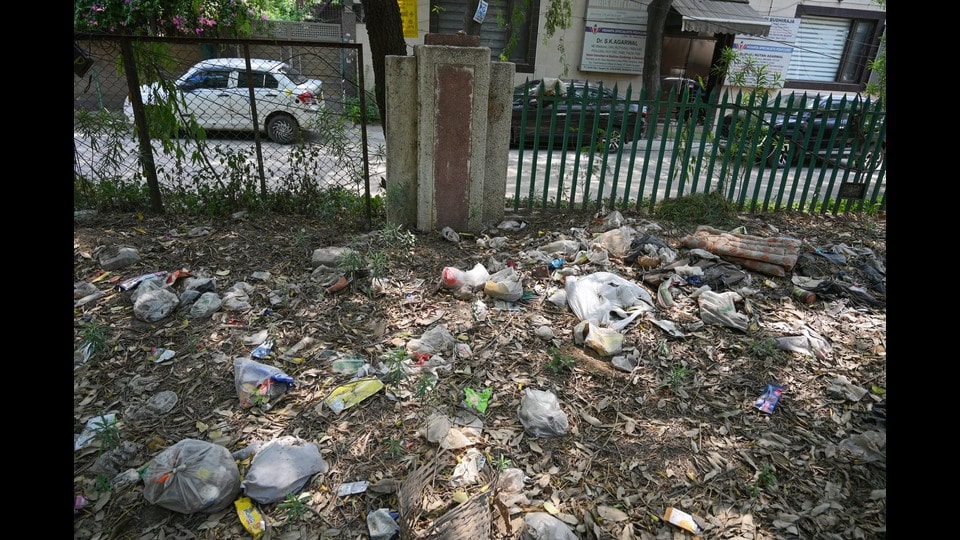
The same residents who discuss sustainability inside gated communities often step outside and casually accept plastic carry bags from local vendors. Markets continue to overflow with disposable packaging while drainage lines remain clogged with plastic waste. Empty plots steadily become dumping grounds where plastic wrappers cling to bushes and construction debris alike. During every monsoon, the consequences become visible within hours.
Anyone who has covered Gurugram’s flooding knows this story too well. The city does not flood only because of heavy rain. It floods because drains meant to carry stormwater are already suffocating under tonnes of plastic waste. Walk near major markets or urban villages before the rains, and drains can often be seen buried beneath discarded bottles, food containers, polythene bags and packaging material.
What stands out most is how normalised plastic consumption has become in everyday life. Despite years of bans, awareness campaigns and enforcement drives, single-use plastic remains deeply embedded in the city’s economic and social behaviour. Small vendors continue to depend on cheap packaging while consumers rarely carry reusable bags. Convenience almost always triumphs over environmental consciousness.
And yet, the crackdown matters.
For perhaps the first time in a long while, authorities appear to be signalling that environmental violations will no longer remain invisible. The scale of inspections, seizures and penalties suggests that the administration is finally acknowledging plastic waste not merely as an environmental concern but as an urban governance crisis directly linked to flooding, public health and the city’s mounting waste burden.
Still, challans alone cannot clean Gurugram.
A city that generates aspirations as rapidly as Gurugram also generates massive consumption. Food delivery culture, online shopping, rapid urbanisation and changing lifestyles have multiplied plastic dependency far beyond what civic systems can manage. Unless behavioural change becomes part of everyday urban culture, enforcement drives risk becoming temporary headlines rather than long-term solutions.
Perhaps the real test lies not in how many challans are issued, but in whether Gurugram’s residents are willing to change their relationship with convenience itself.
Because the uncomfortable truth is this: Gurugram’s plastic crisis is not hidden in landfills alone. It is visible in our markets, homes, offices, cars and daily choices. The city’s drains merely expose what society continues to throw away, responsibility included.
Leena heads the Gurugram bureau and has extensively covered civic issues, environment, crime, real estate and politics.


Stay updated with all the Breaking News and Latest News from Mumbai. Click here for comprehensive coverage of top Cities including Bengaluru, Delhi, Hyderabad, and more across India along with Stay informed on the latest happenings in World News.


