
 E-Paper



Sport in Bhondsi birding hot spot causes outrage
The ban, officials said, was imposed on March 27to prevent disturbances during bird nesting season and curb potential poaching.

 Prefer HTon Google


Even as the Haryana forest department enforces a blanket ban on birdwatchers in Bhondsi forest — prohibiting photography and other non-intrusive activities — group recreational games like volleyball are being openly allowed in key birding zones, sparking outrage among conservationists who say such moves undermine the ecological sanctity of the forest.
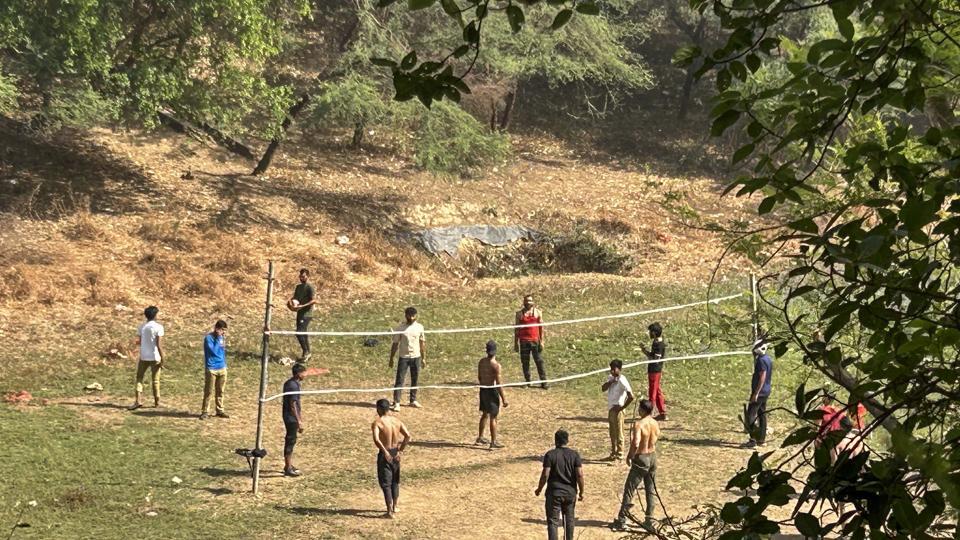
The ban, officials said, was imposed on March 27to prevent disturbances during bird nesting season and curb potential poaching. But birders argued that the rules are being selectively applied and have ironically left the very species the ban is meant to protect more vulnerable.
On March 25, HT reported the Bhondsi forest near Gurugram faces threats from unethical bird photography and poaching, endangering nearly 46% of Haryana’s bird species.
One volleyball net, birders pointed out, has been set up in the core nesting zone of the red-wattled lapwing, a ground-nesting bird highly sensitive to human activity. “It shows a complete disregard for the nesting season,” said one birder.
Responding to mounting criticism, divisional forest officer RK Jangra said, “We will send a team to inspect the area on Wednesday. If a volleyball net has indeed been installed within a sensitive nesting zone, it will be removed immediately. We are committed to protecting bird habitats and will ensure such disturbances are not repeated.”
Despite these assurances, birders say the continued restrictions on photography and movement — while loud, intrusive sports go unchecked — reflect a deeper bias against those seeking to document and protect the region’s biodiversity.
“This is blatant discrimination,” said Anil Kumar Rohilla, a seasoned birder from Gurugram. “Birders are being targeted because they carry cameras, while influential individuals continue to gain access to the forest. Trees are being felled, canals encroached, and yet those of us trying to protect this space are being kept out. What message does that send?”
Nishant Rana, another birder, alleged that a fellow birder’s camera was recently confiscated by forest staff without notice. “I come here to teach responsible birding and promote conservation. Confiscating cameras without any legal justification isn’t just harassment—it violates our rights. Birding is environmental stewardship, not a crime.”
A Delhi-based birder, who asked not to be named, expressed concern over the impact of the volleyball games on the Indian Pitta, a ground-foraging bird of great interest to birders. “Its main nesting area has been turned into a sports zone. With all that shouting and activity, how can they possibly breed? This isn’t just careless, it’s destructive.”
Birders also cite threats and intimidation. Parveen Gehlot recounted an incident last year when a car window was smashed after they removed illegal hunting nets from the forest. “We filed a police complaint, but it’s clear the threats to birders are rising. Ironically, we’re the ones flagging poaching and habitat loss. Our presence helps keep the forest safe.”
Frustrated and increasingly disillusioned, the birding community across Delhi-NCR is now mobilising. Plans are underway to formally petition forest authorities for fair access and rational guidelines. Many say they are willing to adhere to rules that protect wildlife, but will no longer accept what they call arbitrary and discriminatory restrictions.
As the Aravallis enter peak breeding season, birders argue their presence is more vital than ever. With forest staff spread thin, it is often the birdwatchers who raise the first alarm about poaching, habitat destruction, and species under threat. Their message to the administration is simple: partner with those who protect, rather than penalise them.

Stay updated with all the Breaking News and Latest News from Mumbai. Click here for comprehensive coverage of top Cities including Bengaluru, Delhi, Hyderabad, and more across India along with Stay informed on the latest happenings in World News.


