
 E-Paper



Work to connect Delhi-Mumbai e-way with Trans-Haryana highway to start soon
Officials said the link will provide seamless connectivity to commuters travelling from states up north to Jaipur and further towards Madhya Pradesh and Gujarat

 Prefer HTon Google


The National Highways Authority of India (NHAI) will soon start work on a 86.5km access controlled highway to connect the Delhi-Mumbai Expressway with the 227km long Narnaul-Ambala Expressway, also known as trans-Haryana Expressway, which connects Narnaul in south Haryana with Ambala near Chandigarh.
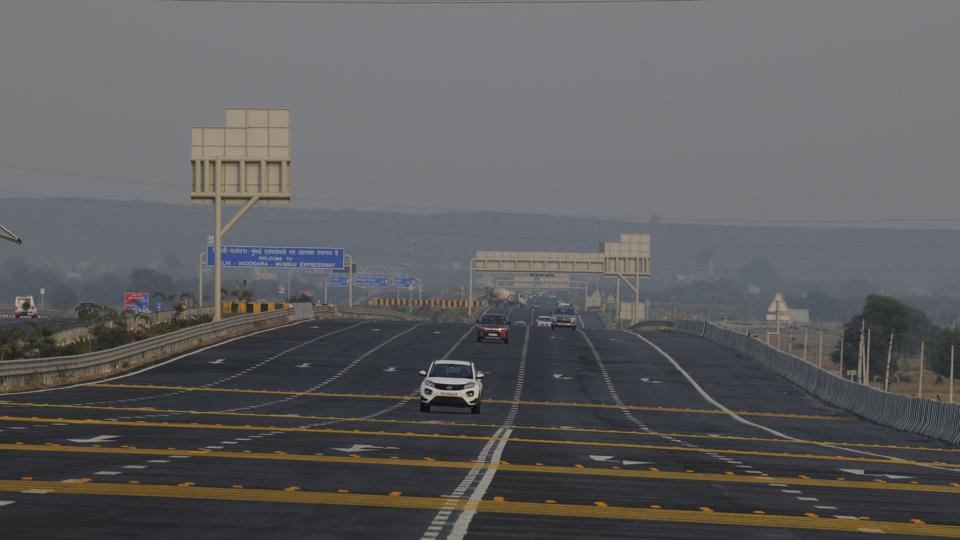
The connecting highway will meet Delhi-Mumbai Expressway at Baroda Mev in Alwar and the trans-Haryana Expressway at Paniyala near Narnaul in Haryana. This link will provide seamless connectivity to commuters travelling from states up north to Jaipur and further towards Madhya Pradesh and Gujarat, said NHAI officials.
NHAI officials said the tender for the construction of this access controlled expressway has been awarded and the work will commence soon.
“The transfer of land to NHAI for construction of the connecting highway will be completed soon and we are working on ensuring that the work starts at the earliest. The project will be completed within two years from commencement of work,” said Mukesh Kumar Meena, project director, NHAI.
“The estimates cost of the project is around ₹1,400 crore and this expressway will comprise six lanes, which will enable commuters direct access to Delhi-Mumbai Expressway and beyond without much difficulty,” said Meena.
According to the NHAI, the 86.5km highway will connect the southern end of the trans-Haryana Expressway to the Delhi-Mumbai Expressway at Baroda Mev. The highway authority had received 29 bids for the project, so far, its officials said.
The 227km trans-Haryana Expressway (NH-152D) was opened to traffic in August 2022 and it passes through Kaul, Pundri, Assandh, Dhatrath, Kalanaur, Charkhi Dadri and Kanina.
Meena said the construction of linking highway will reduce traffic on Delhi-Chandigarh and Delhi-Jaipur highways as commuters and heavy vehicles will have the option to avoid Delhi and directly reach Rajasthan and states beyond using the Delhi-Mumbai Expressway from Baroda Mev.
According to the Haryana government, the trans-Haryana Expressway has given long distance vehicles -- especially commercial vehicles -- a much needed alternative to move from states such as Punjab, Himachal Pradesh and Jammu Kashmir to Jaipur and beyond more efficiently, and that too by bypassing the congested Delhi-Jaipur highway, the capital city of Delhi, and also Delhi-Chandigarh highway.
The area around the expressway is being developed as an industrial corridor, named as the Ambala-Kotputli Economic Corridor, said officials.


