E-Paper



Jaffrabad to get waste management tech park
Officials said the technology park, spread over a 1,000 square metre area, is a trial project to see the viability of incorporating waste processing technologies at a local level and reduce the pressure on landfills.

 Prefer HTon Google


The East Delhi Municipal Corporation’s new technology park in Jaffrabad, which features several pilot projects for decentralised processing of municipal waste, will be inaugurated by K Vijay Raghavan, the principal scientific advisor to the Central government, on Tuesday.
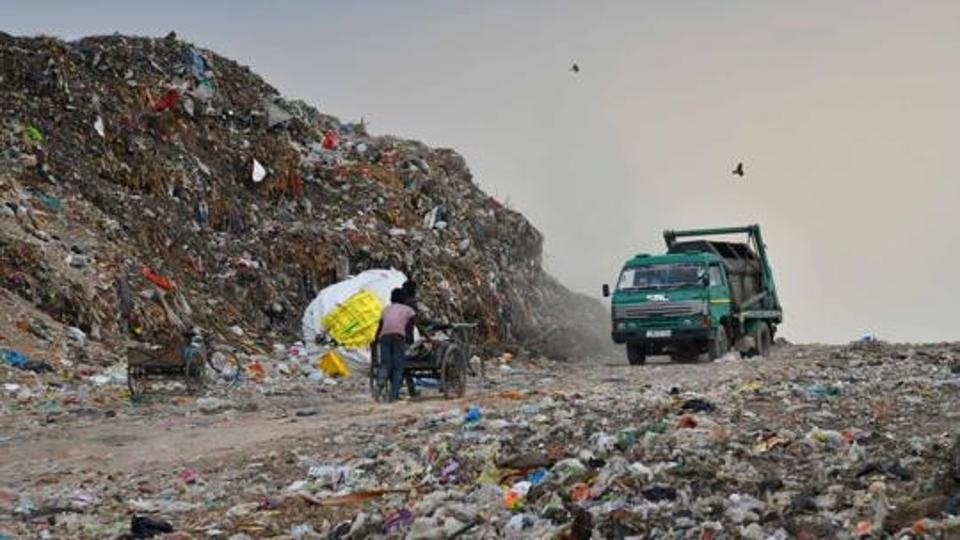
Officials said the technology park, spread over a 1,000 square metre area, is a trial project to see the viability of incorporating waste processing technologies at a local level and reduce the pressure on landfills. “The trials of various pilot units are now complete and the park will be fully operational to treat 10 tonnes of municipal solid waste every day. The technology is being touted as a ‘decentralised solution’ for processing of waste at local level so that minimal waste is sent to landfill sites which will also help municipal waste cut down on transportation cost,” said a senior EDMC official.
The work on the project started in 2018 under the “waste to wealth” mission. The project features semi-automated segregation of municipal solid waste into various components for utilisation separately. “The project has been carried out by the office of principal scientific advisor and we have just provided land. We will assess the performance of these pilot technologies to see if they can be replicated at other sites if funds are available to us,” a senior EDMC sanitation department official said.
EDMC areas have 469 colonies spread across 64 wards which support about 23.5% of Delhi’s population. The sanitation department estimates that the Jaffrabad dhalao, which receives 10 tonnes of fresh waste each day, caters to a population of 22,000. “Such smaller waste processing plants can decentralise waste processing and reduce waste transportation cost. This can be the first step in moving towards zero landfill,” the office of principal scientific advisor has stated in a statement.
Under the technology park, a 1,000sqm area, which was earlier used for open dumping and waste collection, has been turned into mini-decentralised waste processing facility. “The park will be able to process 10 tonnes of municipal waste which will be segregated and treated. We will be able to recover a tonne of compostable elements that can be turned into manure, two tonnes of combustible waste that can be used for energy generation and 1.5 tonnes of recyclable material. The combustible waste will then be processed on site using various pilot technologies, leaving only 5-10% of inert material reaching landfills,” said a sanitation department official.
Delhi generates around 11,119 tonnes of municipal solid waste every day.
Atin Biswas, a waste management expert and programme director of municipal solid waste sector in Centre for Science and Environment, said, “We can have all the state-of-the-art technologies but segregation of waste at household level is the first step.”