
 E-Paper



Elephant herd damages crops in West Bengal’s East Bardhaman district
The elephants came in from neighbouring Bankura district, becoming the largest herd in recent times to have damaged crops in East Bardhaman. There were no reports on casualties or injuries


Around 50 elephants wreaked havoc in West Bengal’s East Bardhaman district just ahead of paddy harvest.
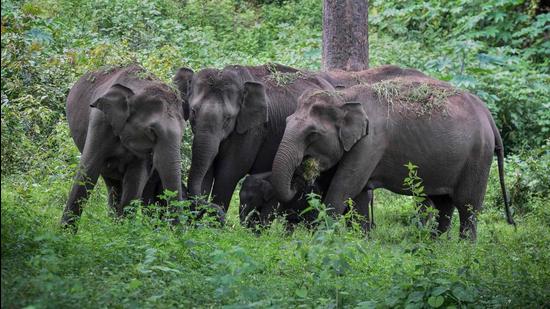
The elephants came in from neighbouring Bankura district, becoming the largest herd in recent times to have damaged crops in East Bardhaman (also called East Burdwan).
There were no reports on casualties or injuries.
“A huge herd, comprising 40-50 elephants, wreaked havoc in a dozen villages in East Bardhaman since Thursday. This is the largest herd we have ever seen. Earlier, elephants used to enter the district in herds of around 10. They inflicted heavy damage to crops as it is the paddy harvest season,” said Abhedananda Thander, a legislator from Ausgram in East Bardhaman.
After the herd entered the district, villagers tried to scare them away using elephant chasers and firecrackers. It resulted in the herd splitting into two smaller ones, both of which later went on separate paths, damaging crops.
Also Read: Chhattisgarh SP, wife hurt as they try to escape elephant that charged at them
Senior forest officials rushed to the spot to figure out how the tuskers could be given a safe passage back to the forested district of Bankura.
“More than 150 forest officials from three forest divisions and at least four ‘hula parties (elephant chasers)’ have been deployed. On Thursday night, we tried to drive the elephants back to Bankura, but some villagers put up fire barricades along that route to protect their crops from damage. So, the elephants went in different directions. We are now trying to unite them and push them back to Bankura. We can’t allow the elephants to stay in East Bardhaman as there are no forests here,” said Debal Roy, West Bengal’s chief wildlife warden.
Conservation efforts in recent times have resulted in West Bengal’s elephant population shooting up to 700 from around 175 in 1989.
West Bengal accounts for the second highest number of man-elephant conflict incidents in the country after Odisha.


