
 E-Paper



ECI launches ‘no voter to be left behind’ drive in Uttar Pradesh
All district election officers directed to include all eligible citizens in the voter list, says UP CEO Navdeep Rinwa

 Prefer HTon Google


Ahead of the 2027 UP assembly polls, the Election Commission of India (ECI) has launched a ‘no voter to be left behind’ campaign in Uttar Pradesh to include eligible voters in the electoral roll. The focus will be on enrolling voters who have not been enrolled as well as the young/first-time electors.
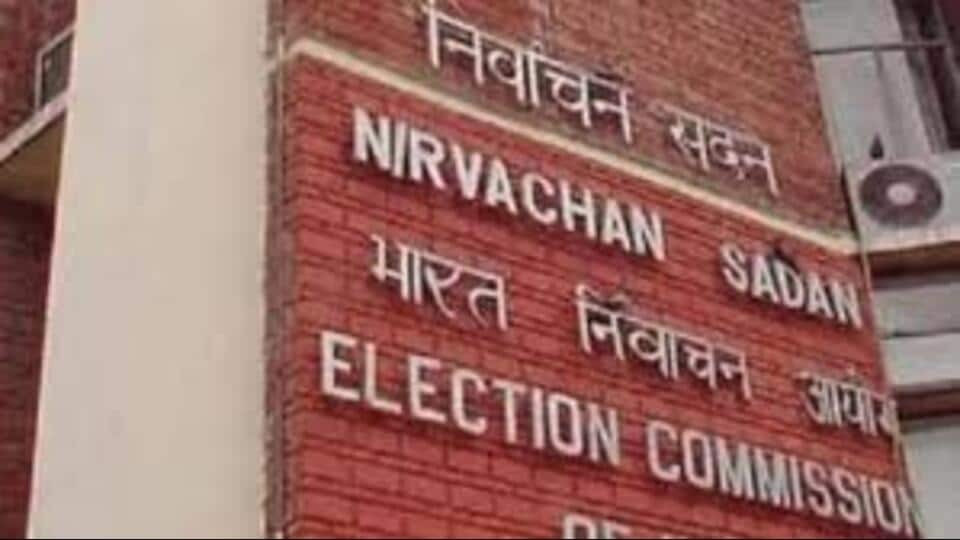
The assembly election in UP is likely to be held in February-March next year. Political parties have demanded the enrolment of the missing and young voters.
“In accordance with the directives of the Election Commission of India, a special campaign has been launched in collaboration with various departments during the continuous revision period to increase the electoral roll and gender ratio in Uttar Pradesh. To achieve the objective of “no voter to be left behind,” all district election officers have been directed to include 100% of eligible citizens in the voter list,” UP chief electoral officer Navdeep Rinwa said.
After the Special Intensive Revision Programme-2026 of the electoral rolls of the state’s assembly constituencies concluded in April, the ECI announced that the ongoing continuous revision of the electoral roll will be implemented.
“Under the revision, all district election officers have been instructed to specifically include the names of eligible youth, missed, first-time, homeless, disabled and women voters,” he said.
“The special campaign will involve cooperation from various educational institutions, volunteer groups, and health workers to register as many eligible citizens as possible. Instructions have been given to ensure the availability of a sufficient number of Form-6 during the campaign,” Rinwa added.
The chief electoral officer said any eligible citizen can apply by filling in ‘Form-6’ online through the ECI’s Citizen Service Portal (voters.eci.gov.in) or the ECINET mobile app. They can also submit the form along with the required documents to their BLO/assistant electoral registration officer/electoral registration officer.
“Eligible citizens are required to complete all their entries accurately,” he said. Rinwa also said that ‘Form-6’ must be submitted with the application form for revisions other than the Special Intensive Revision. “The requirement of a declaration form has been abolished,” he added.
All district electoral officers have been directed to conduct extensive publicity regarding this at the district level through various means so that as many citizens as possible can receive information. Instructions have been given to seek the cooperation of various departments such as women’s welfare, higher and secondary education, medical, disabled persons, rural development and youth welfare, etc., in the voter enrolment drive so that no eligible citizen is deprived of inclusion in the voter list, Rinwa said.
The final electoral roll published by the ECI on April 10 saw the dropping of 20.4 million (2.04 crore) names under the SIR process. The final electoral roll has 133.9 million (13.39 crore) voters while the electoral roll published on October 27, 2025 after special summary revision of the voter list had 154.4 million crore voters. The voter list in UP shrank by 13.24 % (20.4 million).
After the SIR, the final voter list in UP has 13,39,84,792 voters, including 7,30,71,061 (54.54%) male voters, 6,09,09,525 (45.46%) female voters and 4,206 (0.01%) third gender voters. There are 17,63,360 (1.32%) first-time voters in the age group of 18-19 years. The SIR process also witnessed the deletion of more women voters than men. The gender ratio in UP is 834 women voters per 1,000 male voters.


