E-Paper



Four IIT-Kanpur profs to impart AI training to Uttar Pradesh MLAs, schedule worked out
The programme aims to familiarise legislators with AI tools, their practical applications, and the ethical and technical nuances involved in their use.

 Prefer HTon Google


Professors from the Indian Institute of Technology-Kanpur (IIT-K) will conduct classes over two days for members of the Uttar Pradesh legislative assembly in order to introduce them to the fundamentals of artificial intelligence (AI) and its potential use in governance.
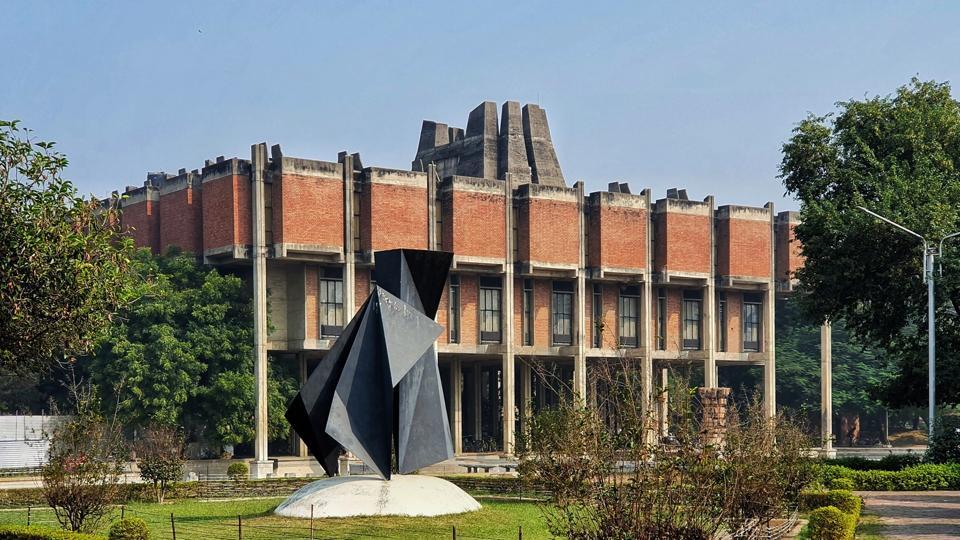
In its July 17 edition, HT was the first to report (‘AI to help UP MLAs with digitisation of files, reports’) that the upcoming monsoon session of the UP assembly will see a special IIT-Kanpur designed class on artificial intelligence for legislators, aimed at motivating them to use technology for various legislative works. Now, the details of the training schedule have emerged.
The sessions will be held on the assembly premises and they will involve four faculty members from IIT-K’s department of computer science and engineering.
The programme aims to familiarise legislators with AI tools, their practical applications, and the ethical and technical nuances involved in their use.
Prof Nitin Saxena, who is leading the initiative, said the workshop will cover a range of tools, including ChatGPT, and show how public representatives can deploy them in their day-to-day responsibilities such as drafting official notes, organising surveys, conducting constituency research and enhancing public communication.
“One of the key aspects of the training is to inform legislators that not everything generated by AI tools is accurate,” Prof Saxena said.
“Equally important is knowing how to spot such errors and exercise human judgment when using platforms like ChatGPT.”
Through Saxena and his team, legislators will also be introduced to a curated list of AI tools that can support governance, improve transparency, and make decision-making more data-driven — a skill set increasingly relevant in public administration.
The workshop will feature hands-on demonstrations, as well as examples of software solutions developed at IIT-Kanpur, to showcase indigenous efforts in AI. Following the initial session, MLAs interested in delving deeper into the subject will be invited to the institute for further training.
Prof Saxena added that the material being shared is already available in the public domain.
“The idea is to make this knowledge accessible and actionable in legislative contexts. We will also touch upon the economics of AI and its emerging role across governance.”
The state government’s initiative has drawn appreciation for attempting to bridge the technological literacy gap in politics at a time when AI is reshaping policy-making across the world. The schedule for the sessions has already been finalised, with professors set to begin instruction in the coming weeks.