
 E-Paper



HC tells UP govt to take effective steps over water crisis in Lucknow’s 88 villages
The court directed authorities to expedite the process of setting up five proposed water treatment plants and take an early decision on the revival of 30 lakes identified for the purpose

 Prefer HTon Google


LUCKNOW The Lucknow bench of the Allahabad high court has taken serious note of the worsening water crisis in 88 villages of Lucknow and directed the state government to take effective steps with sensitivity towards problems faced by villagers.
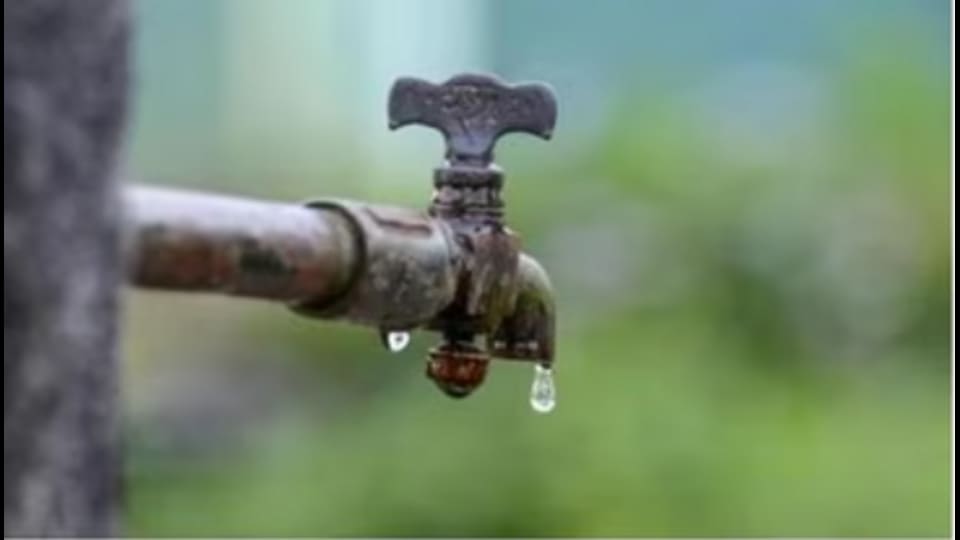
It observed that water is a basic necessity of life and said concrete measures were required at both the long-term and immediate levels to address the crisis. The court directed authorities to expedite the process of setting up five proposed water treatment plants and take an early decision on the revival of 30 lakes identified for the purpose.
The order was passed by a division bench comprising Justice Rajan Roy and Justice Manjive Shukla on August 19, uploaded on Tuesday, while hearing a PIL filed by Utkarsh Lok Seva Sansthan. It raised the water crisis issue in the villages.
During the hearing, the court was informed that five water treatment plants are proposed to be established as a permanent solution to the water crisis in the 88 villages. Land for one of the plants has already been allotted by the district magistrate in Nagwamau village in the Bakshi Ka Talab area.
However, administrative approval and expenditure sanction from the state government are still awaited. Once the approvals are granted, the plant will be constructed by the UP Jal Nigam (Urban).
The court was further informed that land has not yet been allotted for the remaining four water treatment plants. Taking note of this, the bench directed the DM to take necessary action on priority. The court made it clear that there should be no unnecessary delay in projects aimed at providing a permanent solution to the water crisis.
In compliance with the court’s earlier order, 90 lakes in the Lucknow region had been inspected. Of these, 30 were found suitable for revival.
The court was informed that the Jal Nigam (Urban) had prepared a preliminary report on the revival of these 30 lakes and forwarded it to the state government’s urban development department. A decision on the report is still pending at the departmental level. The bench fixed September 24 as the next date of hearing the matter.
The court consequently directed the state government to take an early decision on the proposal for revival of the 30 lakes.
The petitioner’s lawyer, Motilal Yadav, had filed a supplementary affidavit in 2024 in the petition, attaching newspaper reports detailing the drinking water crisis in the 88 villages falling in the LMC limits.
Six years on, villages await basic amenities
Six years after 88 villages were brought within LMC limits, residents of these predominantly rural pockets are still waiting for basic urban amenities, with access to reliable potable water emerging as the most pressing concern.
Even in 2021, when LMC and Jal Sansthan began preparing a plan for the newly included villages, officials acknowledged that many residents were dependent on handpumps and submersible pumps. A proposal was prepared for laying water pipelines as well as sewer lines, while the LMC had estimated that development of the 88 villages would require around ₹100 crore.
The present crisis acquired greater urgency because the government’s own assessment indicated that groundwater cannot provide a sustainable solution for all 88 villages.
During the proceedings, the court was informed that the available groundwater is insufficient to meet drinking water requirement of these areas. This effectively rules out dependence on the traditional arrangement of handpumps and individual/localised borewells as a long-term solution. HTC


