
 E-Paper



UP govt mandates QR licences for food vendors during Kanwar Yatra
In Uttar Pradesh, under the updated protocol, food stalls and kitchens along the Yatra route will undergo round-the-clock inspections.

 Prefer HTon Google


As the Kanwar Yatra begins on July 11, the Uttar Pradesh government has introduced a new digital measure to strengthen food safety: all food vendors along the pilgrimage route will now be required to display QR-code-based licences and complaint details. These QR codes, linked to the Food Safety Connect App, will allow pilgrims to instantly verify hygiene approvals and report unsafe practices.
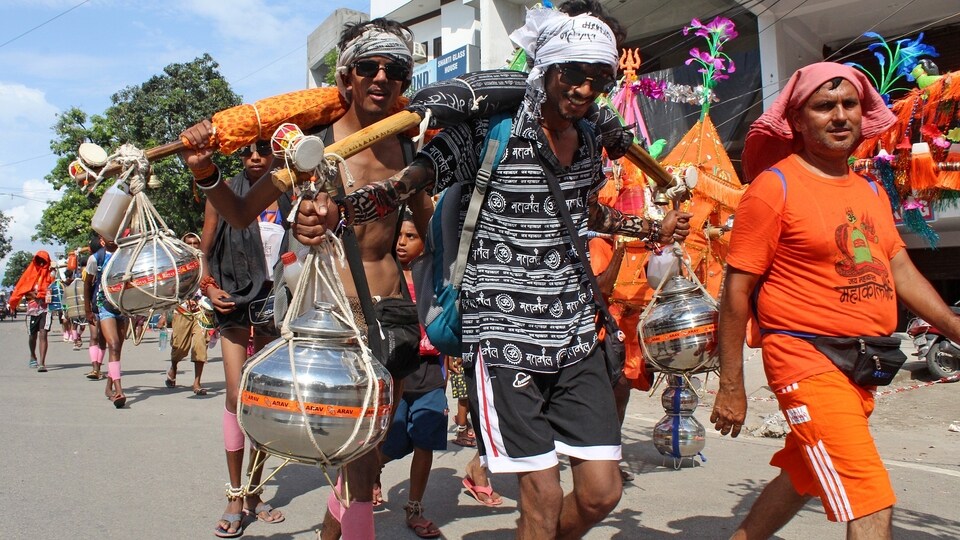
Food Safety and Drug Administration (FSDA) commissioner Rajesh Kumar, in a circular to regional officers, ordered “uncompromising vigilance” at food stalls, roadside vendors, and bhandaras (community kitchens). He warned that any lapse in hygiene enforcement would lead to disciplinary action against officials.
Under the updated protocol, food stalls and kitchens along the Kanwar Yatra route will undergo round-the-clock inspections. Health officials will conduct daily sampling, with the power to take immediate action against those found to be flouting food safety norms.
“Pilgrims come here for spiritual healing, not food poisoning,” a senior FSDA officer said, underlining that even voluntary kitchens will be subject to routine checks.
The integration of QR codes aims to increase transparency and accountability. Pilgrims can scan the code to verify if a vendor is licensed and view complaint information. Any reported violations will be tracked through the Food Safety Connect App, giving devotees a direct channel to raise concerns.
Alongside health surveillance, the government will continue to enforce the existing ban on meat and egg sales along the route, maintaining religious sanctity during the Yatra.
The FSDA is working with district officials, police, and civic bodies to carry out waste disposal drives, crack down on unlicensed vendors, and deploy mobile food testing labs.
Officials confirmed that many of the food safety protocols initiated during last year’s Yatra are being reinstated to ensure continuity.
Assistant FSDA Commissioner (Lucknow) VP Singh said, “This shift in approach reflects a broader trend, where large-scale religious gatherings are increasingly being seen through the dual lens of faith and public safety. Clean food, potable water, and medical oversight are no longer optional; they are essential.”


