
 E-Paper



Loose sweets in UP to carry ‘use-by’ dates from October 15
Unlike packaged sweets, loose sweets generally did not have a mandatory requirement to display the final date by which they should be consumed. The new arrangement will require the date to be displayed prominently at the point of sale, enabling customers to check the usable period before making a purchase, FSDA officials said.

 Prefer HTon Google


Consumers buying loose sweets in Uttar Pradesh will no longer have to rely solely on a seller’s word to judge their freshness, with the Food Safety and Drug Administration (FSDA) making it mandatory for manufacturers and retailers across the state to display the ‘use-by date’ of sweets kept for sale from October 15, 2026.
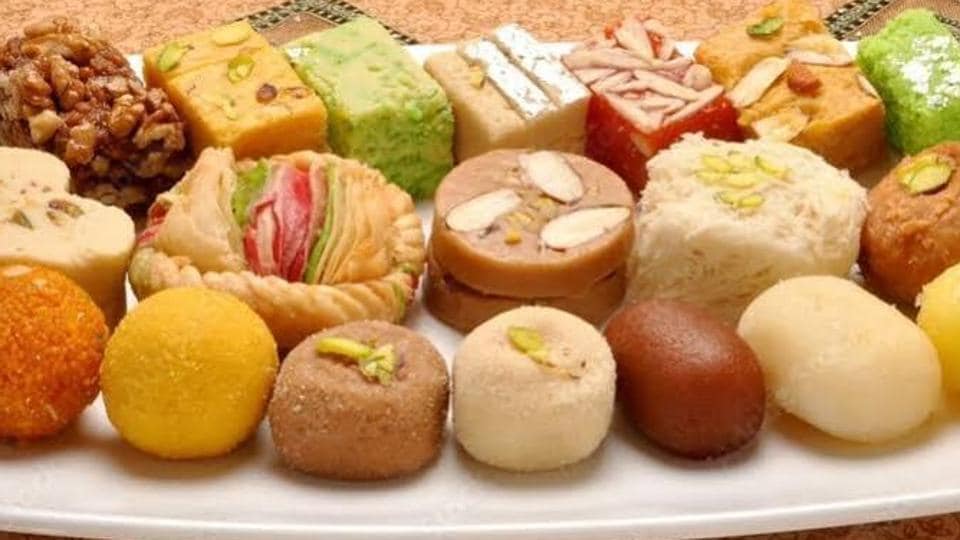
Unlike packaged sweets, loose sweets generally did not have a mandatory requirement to display the final date by which they should be consumed. The new arrangement will require the date to be displayed prominently at the point of sale, enabling customers to check the usable period before making a purchase, FSDA officials said.
The decision follows inspections and enforcement drives conducted over recent months, during which officials found that consumers were often not being provided clear information about the manufacturing and expiry/use-by dates of sweets. This made it difficult for buyers to assess how fresh the products were or how long they could safely be consumed.
According to FSDA officials, the usable period of sweets varies considerably depending on their type and composition. Some sweets may have a shelf life of only a day, while others can remain usable for up to 30 days. Their quality, taste and freshness can deteriorate with time, making use-by information particularly relevant for consumers.
According to the order issued by FSDA commissioner Roshan Jacob, displaying the final date of use will allow consumers to make informed choices based on the freshness and intended consumption period of sweets.
The FSDA has linked the measure to the provisions of the Food Safety and Standards Act, 2006, which emphasise protection of consumer interests and human health, besides transparency and reliability in food trade.
Jacob said the new requirement was intended to improve transparency in the sweets market and help consumers avoid purchasing products that had remained on display beyond their appropriate period of use.
Ethylene glycol banned in milk processing units
The FSDA has also prohibited the use of ethylene glycol and diethylene glycol in milk and milk-product processing units in Uttar Pradesh. The decision follows inspections conducted by the department, during which officials found that some milk-processing establishments were using these chemicals as coolants in processes including pasteurisation and refrigeration.
According to officials, leakage from processing equipment could result in these chemicals coming into contact with milk and milk products, posing a potential health risk. Propylene glycol has been permitted as an alternative, with the department noting that it is already being used by several milk-processing units.


