E-Paper



Over 90% of Lucknow’s ITMS traffic fines remain unpaid despite 13 lakh e-challans
Data shared by the Lucknow Smart City project with Hindustan Times shows that the Integrated Traffic Management System (ITMS) generated 13,26,203 e-challans worth ₹145.17 crore from FY 2022-23 to May 2026. However, authorities have recovered only ₹13.46 crore, leaving ₹131.71 crore, or around 90.7% of the total penalty amount, still pending.

 Prefer HTon Google


Lucknow’s AI-powered traffic enforcement system may be catching violators, but it is struggling to make them pay. More than 90% of the ₹145.17 crore in e-challans issued since FY 2022-23 remains unrecovered, according to an official data.
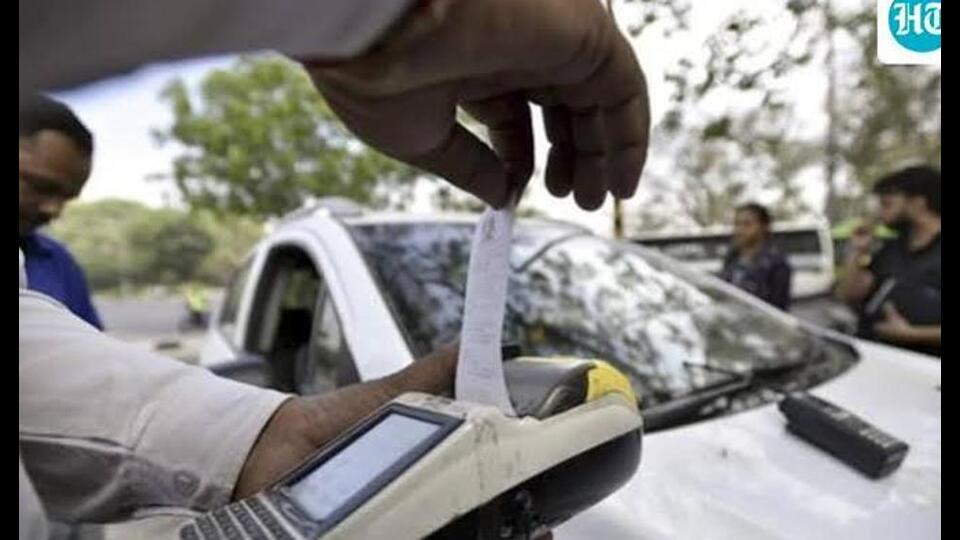
Data shared by the Lucknow Smart City project with Hindustan Times shows that the Integrated Traffic Management System (ITMS) generated 13,26,203 e-challans worth ₹145.17 crore from FY 2022-23 to May 2026. However, authorities have recovered only ₹13.46 crore, leaving ₹131.71 crore, or around 90.7% of the total penalty amount, still pending.
Officials said the outstanding amount is largely due to violators not paying the fines. On average, the AI-enabled system issues more than 30,000 e-challans every month, although the number varies.
The ITMS is managed by the Lucknow Smart City project, while its operations are handled by Lucknow Traffic Police. The recovered fine amount is deposited with the state treasury.
The data also shows that 45,955 e-challans were generated during April and May 2026 alone, indicating that the automated system continues to detect traffic violations on a large scale.
Using surveillance cameras, the ITMS automatically identifies offences such as jumping red lights, changing lanes without indicating and other traffic violations before generating e-challans linked to vehicle registration details.
Despite the large number of challans being issued, officials admitted that recovery remains the weakest part of the enforcement process. The low collection rate has raised concerns over the effectiveness of follow-up action against defaulters and the deterrent value of automated traffic enforcement.
Lucknow’s ITMS operates through a surveillance network of 238 cameras. In addition, the Safe City Project has installed 1,000 surveillance cameras at 200 locations, strengthening surveillance and supporting law enforcement agencies in monitoring sensitive areas.
Officials associated with the project said stronger recovery mechanisms and stricter compliance measures are required to improve fine collection.
According to officials at the Lucknow Smart City office, e-challans generated for traffic violations were earlier forwarded to the court within three to seven days for further proceedings. However, they said that since January this year, none of the e-challans generated by the Integrated Traffic Management System (ITMS) has been sent to the court. Officials did not specify the reason for the delay, but said the absence of court referrals has affected the enforcement process and contributed to the growing backlog of unpaid penalties.