
 E-Paper



Ahead of INDIA coalition’s Mumbai meet, SP identifying seats for itself
The SP, according to sources in the party, is likely to contest at least 40 to 50 seats and will leave others for the alliance partners--currently Rashtriya Lok Dal (RLD), Congress and Apna Dal (K). While the party is in the process of identifying the 40-50 strong potential seats for itself, it will not share Mainpuri, Kannauj, Azamgarh, Sambhal, Badaun, and Firozabad seats which are well-known as SP pocket boroughs.

 Prefer HTon Google


Lucknow: Ahead of the INDIA coalition’s forthcoming meetings in Mumbai on August 31 and September 1, Samajwadi Party (SP) national president Akhilesh Yadav is reportedly engaged in homework to identify seats on which the party is strong and those on which it is weak, for any possible seat-sharing talks.
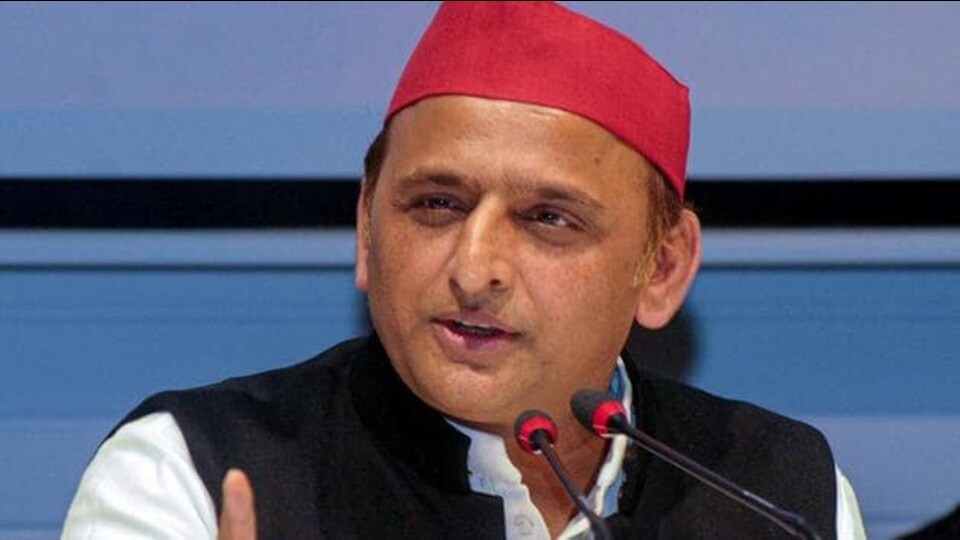
This will be the third meeting of the joint national opposition against the ruling Bharatiya Janata Party (BJP) for the 2024 Lok Sabha polls where the seat-sharing issue is likely to come up in some form.
The first meeting of the joint opposition was held in Patna (Bihar) on June 23 and the second where the joint opposition of 26 parties named the coalition as INDIA, took place in Bengaluru (Karnataka) on July 17-18.
“The Samajwadi Party clearly will lead the coalition in Uttar Pradesh and it will also contest the highest number of seats among the constituent parties. Our national president (Akhilesh Yadav) has mentioned several times now that seat sharing will not be a big issue and the SP will contest all the seats where the party is strong”, said a senior SP leader.
The SP, according to sources in the party, is likely to contest at least 40 to 50 seats and will leave others for the alliance partners--currently Rashtriya Lok Dal (RLD), Congress and Apna Dal (K).
While the party is in the process of identifying the 40-50 strong potential seats for itself, it will not share Mainpuri, Kannauj, Azamgarh, Sambhal, Badaun, and Firozabad seats which are well-known as SP pocket boroughs.
The Samajwadi Party has completely reconstituted its national and state executive committees, as well as all the district units and frontal organisations. In its exercise of identifying strong and weak seats, the SP is using feedback from the district units and other sources.
The current homework is being done according to the existing UP allies in the coalition. In case if the Bahujan Samaj Party or any other parties enter the alliance, then the exercise obviously will have to be redone.
While Akhilesh Yadav the other SP leaders have been batting strongly for the INDIA alliance, Akhilesh is also hinting to the allies to consider that the SP should get the lion’s share in the seats to defeat the BJP in UP. “The SP has shown the big heart (in taking on board the other parties), now the others too should show big heart,” he had said more than once in the recent past when asked about seat-sharing.


