E-Paper



Use of vacant govt land for EV charging infra on the cards in Uttar Pradesh
Move comes in response to growing mismatch between rapid pace of EV adoption in the state and the limited availability of charging infrastructure, state cabinet expected to approve right-of-use policy

 Prefer HTon Google


The Uttar Pradesh government is set to introduce a new policy requiring all government departments, corporations, and civic bodies to offer the “right-of-use” of their vacant land for the development of electric vehicle (EV) charging infrastructure in urban areas and along highways.
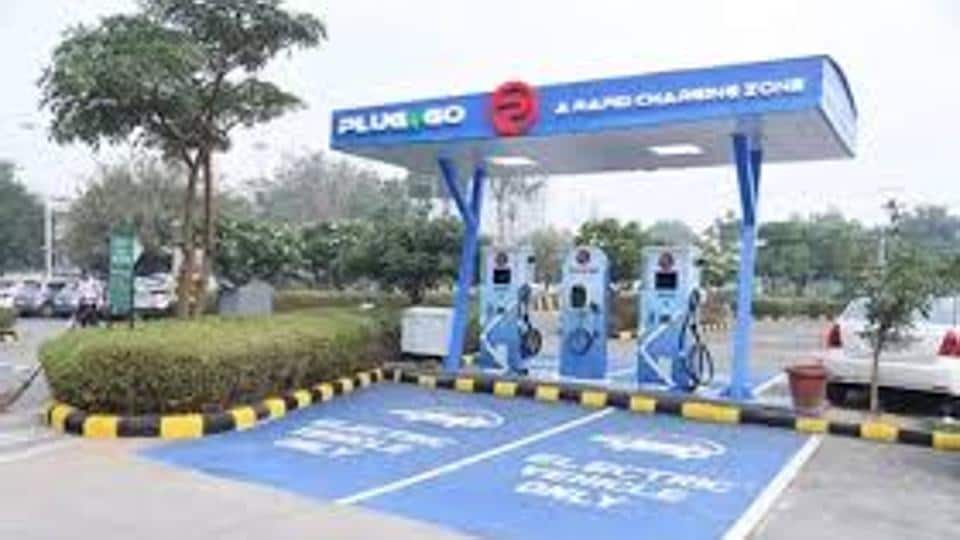
This proposed step marks a significant policy push to support the state’s fast-growing EV ecosystem.
The move comes in response to the growing mismatch between the rapid pace of EV adoption in the state and the limited availability of charging infrastructure. Officials said the lack of accessible land was a key hurdle for private players looking to set up charging stations.
“The lack of availability of land to private developers is hurdling the setting up of EV charging stations in the state even as the number of EV vehicles, including cars, is fast increasing,” a senior official of the renewable energy department said.
He said the department had proposed the policy, making it binding on all the government departments, corporations, development authorities, civic bodies to allow their unused land for setting up EV charging stations.
“The cabinet nod to the proposal is expected soon,” he said.
As per the MoP’s guidelines, by 2030, charging stations will be installed every 1 km x 1 km in urban areas, and every 20 km along highways. For long-range EVs and heavy-duty vehicles like trucks and buses, fast-charging stations will be placed every 100 km on major highways and expressways, ensuring seamless long-distance travel.
The guidelines also seek to encourage private investment by offering public land for charging stations at subsidised rates, with land-owning agencies receiving ₹1 per kWh of electricity consumed. This revenue-sharing model, valid for 10 years, is designed to reduce financial burdens in the early stages of EV adoption when utilisation rates may be low.
The UP Power Corporation Ltd (UPPCL) also recently announced the formation of a new company, Uttar Pradesh Renewable and EV Infrastructure Ltd, to provide basic infrastructure and better services for charging electric vehicles in the state that expects the growth in the demand for e-vehicles by 47% annually.
“The new company will develop and maintain electrical vehicle charging infrastructure at various suitable locations such as distribution, transmission and distribution companies, along with state highways, national highways, cities, and other appropriate places as per the Centre’s guidelines,” an energy department official said.
According to the Cabinet note prepared by the renewable energy department, the number of registered electric vehicles in U.P. stood at over 12.50 lakh and was expected to increase 10 times by 2030. Government vehicles are also to be replaced with EV ones by 2030.
“However, the lack of EV charging stations due to lack of land to set up the same remains a big challenge in the state and the proposed policy aims to address this very issue,” the official said.