E-Paper



Uttar Pradesh on top in rooftop solar rollout under PM Surya Ghar scheme
Lucknow, Varanasi, Kanpur Nagar, Bareilly, Agra, Prayagraj account for a substantial share of rooftop solar installations

 Prefer HTon Google


Uttar Pradesh has emerged as the leading state in rooftop solar deployment under the PM Surya Ghar Muft Bijli Yojna, recording the highest monthly installations in March and sustaining momentum over the past several months.
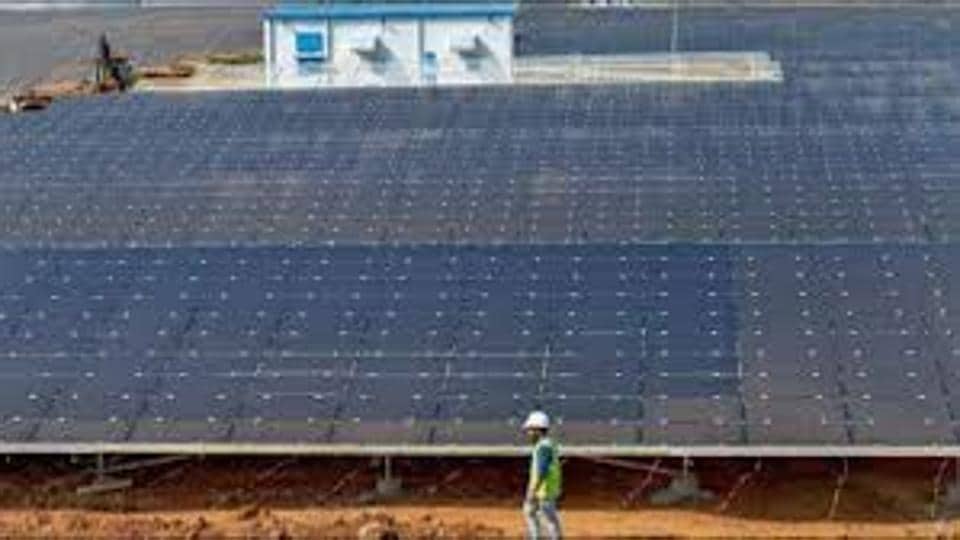
According to official data, the state has received 12,66,309 applications, of which 4,48,233 rooftop solar systems have been installed so far, translating into a cumulative capacity of 1,524.61 MW. Subsidy disbursal has reached ₹2,985.15 crore, largely driven by central assistance.
“UP continues to be on top for solar rooftop installation in the country and, in March, we even exceeded the target by installing a record 52,729 rooftops,” UPNEDA director Indrajeet Singh said. In March, UP took the lead from Gujarat by 18017 installations, from Maharashtra by 12030 and from Kerala by 36,839.
The expansion has been anchored by key urban districts—Lucknow, Varanasi, Kanpur Nagar, Bareilly, Agra, Prayagraj—which account for a substantial share of installations. Lucknow alone has seen 84,340 installations so far. Officials attribute this trend to higher consumer awareness, better financing access, and relatively streamlined coordination with distribution companies in urban areas.
Singh said, “The state has been able to maintain pace through close monitoring and process improvements. The response to the scheme has been strong, and we are working to further simplify procedures and expand its reach.”
Uttar Pradesh, he added, developed its own dashboard for monitoring and project implementation to accelerate progress.
The programme has also led to the rapid expansion of the solar ecosystem in the state, with over 5,000 vendors empanelled for installation and related services. This has supported activity across manufacturing, supply, installation, and maintenance segments.
Officials said rooftop solar adoption was helping reduce dependence on conventional power sources while offering direct savings to households through subsidised installations and lower electricity bills. The decentralised nature of the scheme is also expected to ease pressure on land use compared to large, ground-mounted solar projects.
With sustained monthly additions and a growing base of installations, Uttar Pradesh’s rooftop solar programme, officials claim, is shaping up as a key component of its broader push towards cleaner and decentralised energy.
Despite the headline numbers, the gap between applications and actual installations, with barely over one-third conversion points to execution challenges. Field-level constraints such as delays in vendor mobilisation, documentation bottlenecks, delays in financing by banks and consumer-side financing issues continue to affect rollout in several districts. Consumers also often complain about delays in installation of net meters by discoms.