
 E-Paper



Warn first, fine later: AI vigil on Lucknow Outer Ring Road from August
If a vehicle exceeds the prescribed speed limit, the driver will first receive an alert through digital display boards installed along the highway

 Prefer HTon Google


LUCKNOW Driving on Lucknow’s 104-km Outer Ring Road is set to become smarter, safer and more closely monitored from August, with the National Highways Authority of India (NHAI) rolling out an advanced AI-enabled traffic management system that will not only detect violations but also warn speeding motorists before automatically issuing e-challans, said officials.
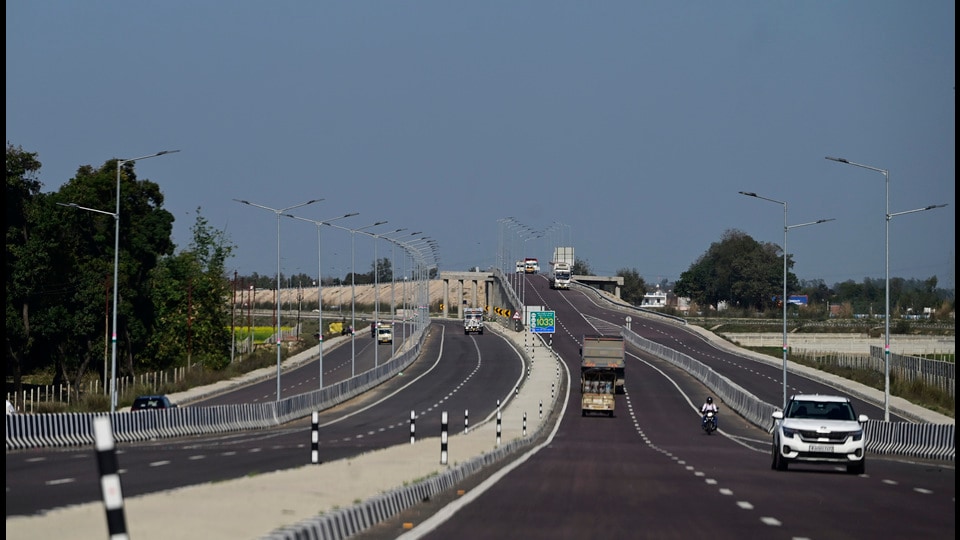
The entire stretch of the road has now been equipped with an Advanced Traffic Management System (ATMS), transforming the highway into one of the most technologically monitored road corridors in the region. Nearly 160 surveillance cameras have been installed across the route, while a dedicated control room has been established near Mati flyover to monitor traffic round the clock. The system is expected to become fully operational by the end of this month.
One of the most distinctive features of the new setup is its warning-first approach. If a vehicle exceeds the prescribed speed limit, the driver will first receive an alert through digital display boards installed along the highway. If the driver continues speeding despite the warning, Automatic Number Plate Recognition (ANPR) cameras will capture the vehicle’s registration number and transmit the details to the control room. The information will then be forwarded to the Traffic Police’s Integrated Traffic Management System (ITMS), from where an electronic challan will be generated automatically.
Officials said the speed limit on the Outer Ring Road has been fixed at 100 kmph for light motor vehicles and 80 kmph for heavy vehicles. Authorities believe the combination of advance warnings and automated enforcement will improve compliance while reducing accidents caused by over-speeding.
The surveillance network includes ANPR cameras installed at 57 locations, enabling authorities to identify and track traffic violations with precision. All devices, including cameras, speed detection systems and display boards, have been interconnected through an underground optical fibre network, ensuring real-time communication with the control centre.
The ATMS is also designed to improve emergency response. In the event of an accident, vehicle breakdown or any other emergency, the control room will receive instant alerts, allowing rescue teams and highway assistance to be dispatched without delay. Traffic congestion and road incidents will also be communicated immediately to the city’s ITMS, enabling traffic police to divert vehicles and prevent long traffic snarls.
To keep commuters informed, 14 Variable Message Sign Boards (VMSBs) have been installed at strategic locations along the corridor. These electronic boards will display live updates about congestion, accidents, diversions, weather conditions and other traffic advisories, helping motorists make informed travel decisions before reaching affected stretches.
Officials said the project marks a significant step towards intelligent highway management in Uttar Pradesh, with technology playing a central role in enforcement, traffic regulation and commuter safety. Once operational in August, every vehicle travelling on the Outer Ring Road will effectively remain under the watch of an integrated digital surveillance network, aimed at making journeys faster, safer and more efficient.


