
 E-Paper



14 Maharashtra districts stare at acute water scarcity, crop loss
Government officials are worried about a drought-like situation if the rainfall continues to be below average for the next few weeks

 Prefer HTon Google


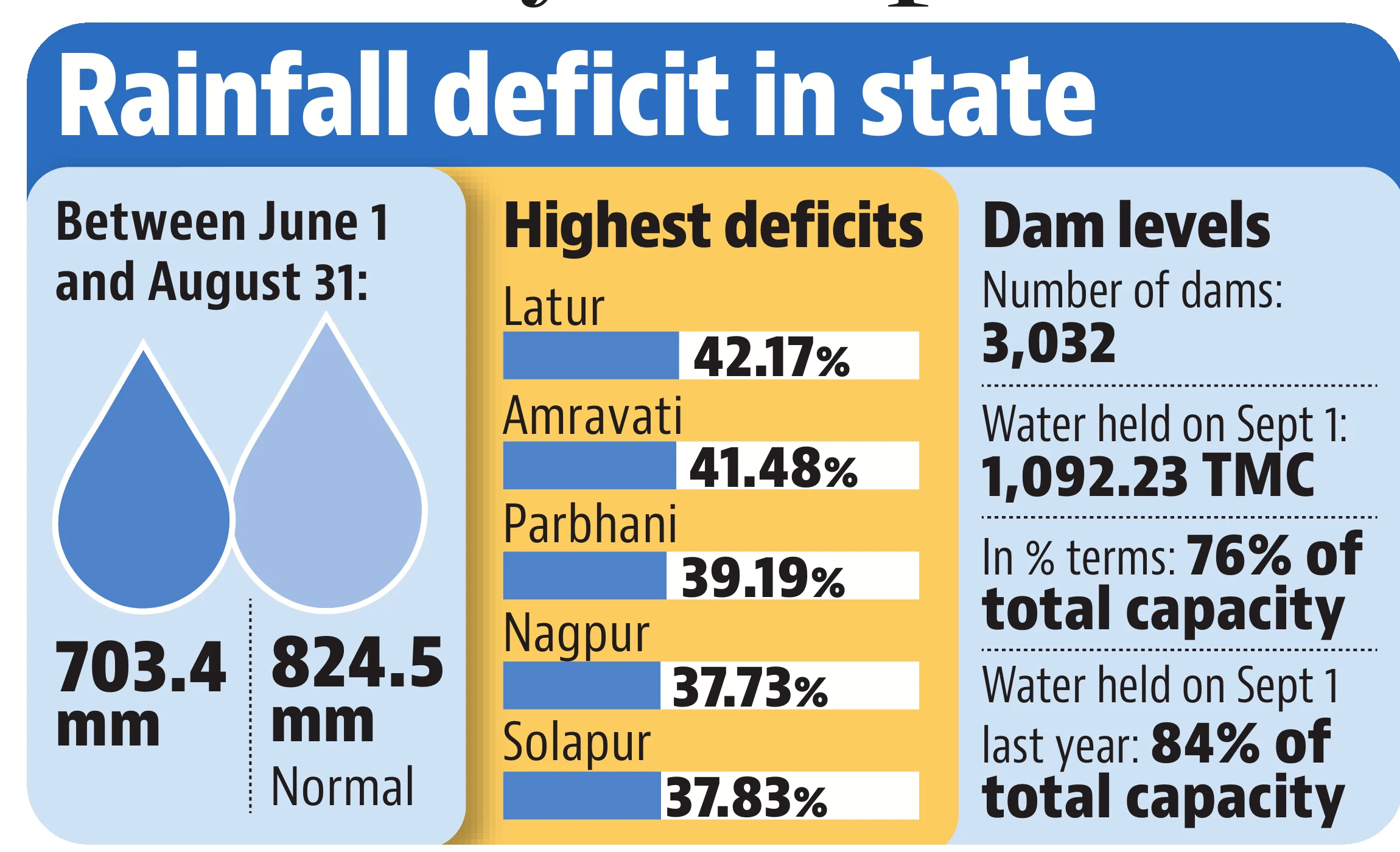
The uneven monsoon and El Nino effect has led to a 15% rainfall deficit in Maharashtra in the June-August period, putting kharif crops under stress. At least 14 districts, mostly in Marathwada and Vidarbha, have a rainfall deficit of over 25%, leading to a drop in the areas under cultivation. With water storage in the state’s dams falling eight percentage points below last year’s level, tankers have been deployed for 1,416 villages and hamlets.
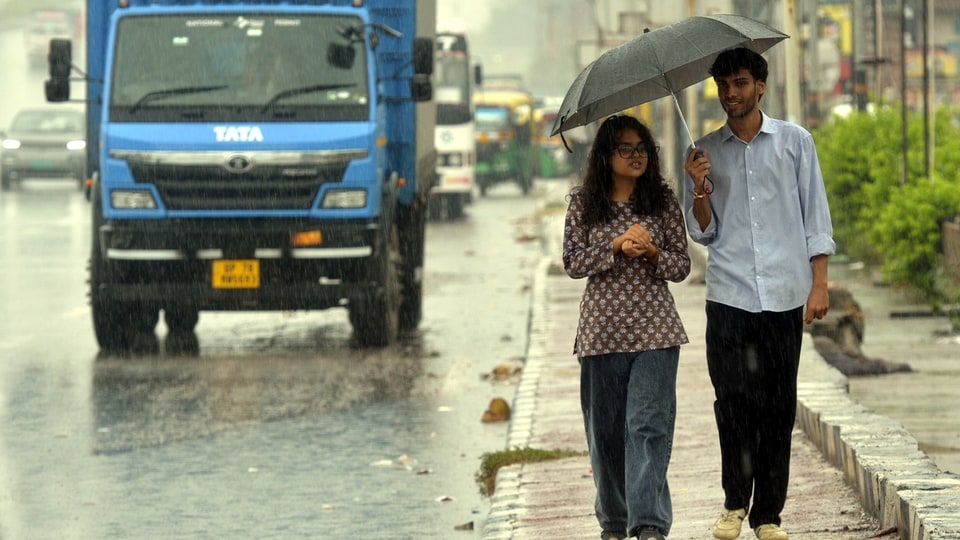
Government officials are worried about a drought-like situation if the rainfall continues to be below average for the next few weeks.
The rainfall deficit has begun to impact crops during their critical growth stages. The agriculture department said that good rainfall was urgently required in Marathwada and parts of Vidarbha. In the Chhatrapati Sambhajinagar division, authorities warned that if it did not rain well over the next five to six days, extensive damage could be caused to the soybean and cotton crops. The Latur division too is facing the possibility of crop and production loss.
Also Read | ‘Are you CIA? Any Pakistan links to CJP?' Sonam Wangchuk answers big questions
The water in dams too is cause for concern. “The Chhatrapati Sambhajinagar division had the lowest dam storage at 50%, followed by Nagpur and Amravati at 63% each. Storage was comparatively comfortable in Konkan at 91%, Pune at 90% and Nashik at 81%. Major dams were at 86% capacity, while medium projects were at 61% and minor projects at only 42%,” stated a presentation made in the state cabinet on Tuesday.
Among major reservoirs, Jayakwadi was at 93%, compared with 100% last year, while Upper Wardha was at 57%, sharply lower than 93% last year. However, Mumbai and Thane continued to remain comfortable, with their water-supply reservoirs holding 72.31 TMC or 97% storage, virtually unchanged from last year.
The water scarcity in some villages in the affected districts is so acute that 1,446 villages and hamlets are being supplied with tanker water. At 149, the highest deployment of tankers was in Marathwada, followed by 115 in North Maharashtra. Last year on the same date, there were only 11 tankers deployed in 59 villages and hamlets.
Also Read | Nepal wants polluters to pay for floods: How strong is its case and climate justice today
An official from the relief and rehabilitation department said that the IMD forecast of good rain was expected to bring some relief. “The forecast indicates moderate to heavy rain at several places in Konkan and parts of Maharashtra through September 5, with thunderstorms and the possibility of heavy rain in parts of Vidarbha on September 2-3,” he said. “Gondia and Gadchiroli have been placed under an orange alert for September 3.”
However, a senior agriculture department remarked that even if there was ample rain in the remaining days of the monsoon, it would be difficult to make up the shortfall and correct the crop loss.
Sandeep Boralkar, a social activist from Nanded, said that apart from stressed crops, the shortage of fodder and water would be a major problem in the near future in Marathwada, especially in Latur and Hingol. “Soybean and turmeric have been badly affected,” he said. Since sugarcane too has been affected in western Maharashtra, employment in cane-cutting will go down badly next season. I have written to the chief minister to undertake cloud seeding in Marathwada, and a decision on this needs to be taken immediately.”
Manoj Shembade Patil, a farmer from Khalegaon village of the Georai tehsil in Beed district, said he had invested ₹2.5 lakh for cultivating various crops on his 12-acre field. “I had to plant soyabean seeds thrice unsuccessfully because of inconsistent rains,” he said. “We had to uproot the sugarcane plants because they were not growing properly. We have asked the collector to get panchnamas done for compensation for our crop loss. Currently, we are using the water we receive through tankers for drinking and for our cattle, but if the situation continues like this for another month, drinking water and fodder too will be a big problem.”


Stay updated with all the Breaking News and Latest News from Mumbai. Click here for comprehensive coverage of top Cities including Bengaluru, Delhi, Hyderabad, and more across India along with Stay informed on the latest happenings in World News.


