E-Paper



MMRDA to set up food plaza and fuel station at one end of Atal Setu soon
MMRDA plans to build a fuel station and food plaza at Jasai end of Atal Setu, enhancing amenities for motorists on India's longest sea link.

 Prefer HTon Google


Soon, motorists travelling on Atal Bihari Vajpayee Sewri-Nhava Sheva Atal Setu will be able to tank up their vehicles as well as satiate their hunger pangs as the Mumbai Metropolitan Region Development Authority (MMRDA) is in the process of establishing a fuel station and food plaza at the Navi Mumbai end (at Jasai) of the bridge.
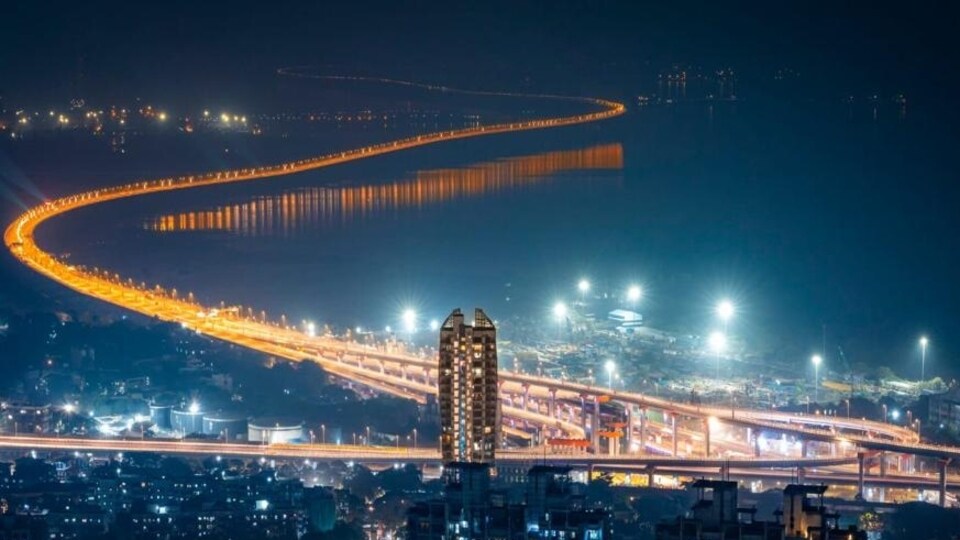
According to the plans, a combination of the facility will come up on either side of India’s longest sea link.
“During the planning and construction stages, land parcels were earmarked for the facility,” said an MMRDA official.
The MMRDA is in advanced stages of finalising private players to get the facility established and operationalised. The process was initiated in October 2024 and MMRDA officials expect another three to six months for the conveniences to come up on both the carriageways of the 21.8 km long bridge.
At present, there are no such facilities available in the immediate vicinity of the sea link, making a motorist scout for one before entering or exiting the sea link.
On January 14, Atal Setu, also referred to as Mumbai Trans Harbour Link or MTHL completed its maiden year in service. On an average, 22,689 vehicles use the bridge daily. The number is expected to rise with the anticipated economic growth of the Mumbai Metropolitan Region.
Constructed at a cost of ₹17,843 crore with the financial assistance of Japan International Cooperation Agency (JICA), the bridge, the sea link’s traffic was projected at 89,463 daily for the year 2021. In reality, the daily average number is only one-fourth.
Days ahead of the inauguration in 2024, after drawing flak from people on high user fee, the state government had reduced the toll by 50% as a discount from ₹500 to ₹250 for passenger vehicles per trip.