
 E-Paper



Close call in panchayat poll; BJP-BSS noses ahead of MVA
Till Tuesday evening, the ruling alliance had won 2,795 gram panchayats while the MVA bagged 2,715 even as the counting of votes continued across the state.


Mumbai: The Bharatiya Janata Party (BJP) emerged as the single largest party even as the Maharashtra Vikas Aghadi (MVA) gave a tough fight to it and its alliance partner, the Eknath Shinde-led Balasahebanchi Shiv Sena (BSS) in the elections to 7,682 gram panchayats or village councils.
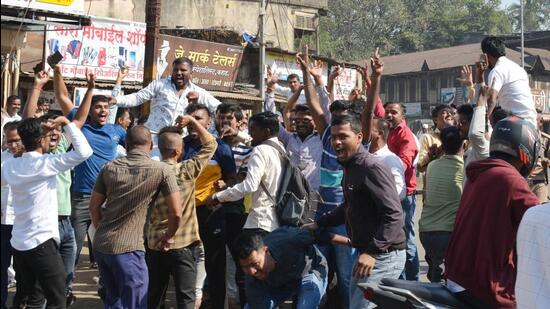
Till Tuesday evening, the ruling alliance had won 2,795 gram panchayats while the MVA bagged 2,715 even as the counting of votes continued across the state. While the picture is expected to be clear on Wednesday, the results show that the BSS has made inroads into the rural areas. At the same time, they also reaffirm the necessity for the opposition parties—the Shiv Sena (UBT), NCP and Congress—to stick together if they have to counter the BJP.
Voting for the 7,682 gram panchayats, including direct election of their heads or sarpanches, was held on December 18. Although these elections are not contested on party symbols, the panels are often affiliated to parties, and, as such, the results indicate the strength of political parties on the ground in rural areas. The state has over 28,813 gram panchayats, and Sunday’s elections were held across the state. Of the total 65,916 members of 7,682 gram panchayats, 14,028 were elected unopposed.
The BJP emerged as the largest party by winning 2,023 gram panchayats, followed by the NCP which won 1,215. The Congress was third with 861 gram panchayats while BSS won 772 and Shiv Sena (UBT) bagged 639.
The election results are significant, as they are the first indicator of which way the wind is blowing after the Shinde faction pulled down the Uddhav Thackeray-led MVA government in June this year and formed a government with the BJP. The results indicate that the ruling alliance has managed to get support in the rural areas. This comes as a boost to the Shinde-Fadnavis government, which has been battling a series of controversies for the past several months. It is particularly significant for the BSS, as it shows that several rebel Sena MLAs in rural areas have managed to get the support of the people in their constituencies.
On the other hand, the results were also satisfactory for the opposition MVA, as its three constituent parties together have managed to give a tough fight to the ruling alliance. Significantly, the parties did not have an alliance across the state. “The combined number of gram panchayats won by the MVA is almost equal to or probably more than the ruling alliance,” said a Congress leader. “This means we could defeat the BJP-BSS in the Lok Sabha or Assembly elections if we contest them together.”
On the individual party level, the BJP put up an impressive show by winning gram panchayats across the state. In western Maharashtra, the BJP and BSS benefited due to elected representatives who crossed over to their side following the split in the Shiv Sena. On the other hand, the Sharad Pawar-led NCP continued to remain a major challenger to the BJP in rural areas. The party also won the highest number of panchayats among the MVA constituents.
Deputy chief minister Devendra Fadnavis and state BJP chief Chandrashekhar Bawankule insisted that their party had emerged as the single largest party. “The BJP-BSS alliance has emerged victorious in the gram panchayat elections. As of now, we have won 3,029 gram panchayats. Rural voters from all regions of Maharashtra have expressed their trust in our government,” said Fadnavis.
Chief Minister Eknath Shinde said that theirs was a significant ‘victory’, as farmers and villagers were the voters in this election. “It proves that our government has support in rural Maharashtra also,” he said. “After coming to power, we focused on roads and irrigation projects, which are the driving force of development in rural areas. The voters have recognised our efforts.”
MVA leaders, however, contested the BJP-BSS’s claims of victory, saying it was they who had won the maximum number of gram panchayats. Congress state unit chief Nana Patole said the Congress had won 900. “In Nagpur alone, the Congress has won about 200 gram panchayats out of 236, defeating the BJP. In fact, the BJP has lost the Fetri gram panchayat, which was adopted by deputy chief minister Devendra Fadnavis,” he said in a statement.
Shiv Sena (UBT) chief Uddhav Thackeray, on his part, refused to enter the ‘victory’ debate. “All of us know that these elections are not fought on party tickets, so any claim by any party about being Number One has no meaning,” he said.
The results were a mixed bag for several state level leaders. Senior Congress leader and former revenue minister Balasaheb Thorat won 25 out of 26 gram panchayats in his Sangamner tehsil of Ahmednagar but could not win the gram panchayat of his ancestral village, Jorve. Worse, a panel fielded by his arch-rival and current revenue minister Radhakrishna Vikhe Patil emerged victorious there.
Former BJP leader Eknath Khadse, now with the NCP, won 12 out of 13 gram panchayats in his Muktainagar assembly constituency despite the efforts of local BJP leaders to defeat him.
Stay updated with all the Breaking News and Latest News from Mumbai. Click here for comprehensive coverage of top Cities including Bengaluru, Delhi, Hyderabad, and more across India along with Stay informed on the latest happenings in World News.


