E-Paper



Mumbai toll waiver: Confusion, traffic congestion prevail at junctions on Day 1
The purpose of the move was to reduce pollution and curtail traffic jams at the toll plazas, said chief minister Eknath Shinde

 Prefer HTon Google


On Monday, citizens expressed happiness when the state government announced the waiver of toll for light motor vehicles (LMV) at five entry and exit points to Mumbai – Lal Bahadur Shastri Road entry point in Mulund, the Eastern Express Highway at Mulund, the Mulund-Airoli bridge, Dahisar and Mankhurd. A day after, on Tuesday, citizens’ enthusiasm was dampened as the very purpose of the waiver failed to be actualised.
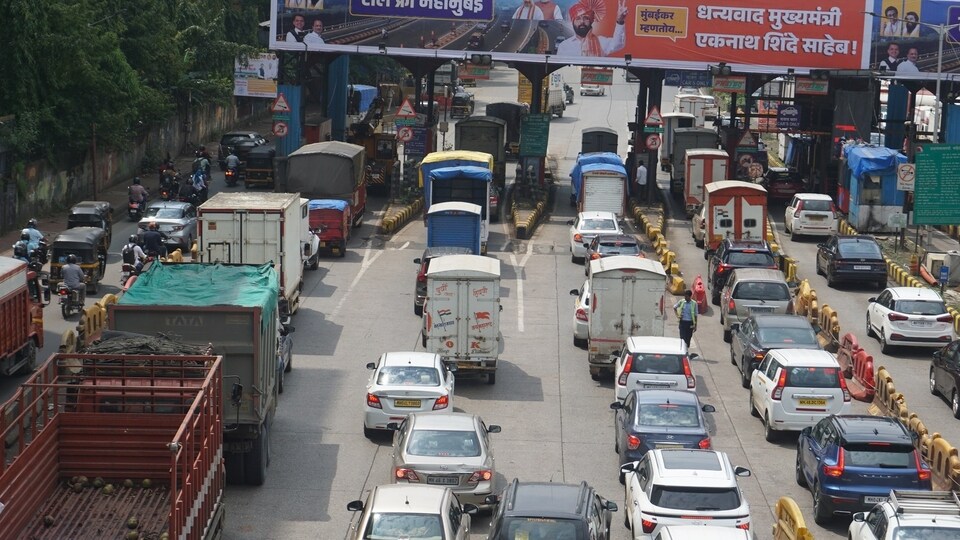
The purpose of the move was to reduce pollution and curtail traffic jams at the toll plazas, said chief minister Eknath Shinde. Additionally, people would also be free of being charged ₹45 each time they crossed over.
Confusion over the government’s move and traffic snarls prevailed at the nakas on Tuesday, while many motorists continued to pay the toll. Many drivers of smaller goods carriers were seen arguing with the collection staff seeking relief from paying the toll amount.
Thane resident Tushar Gaygude, who drives to south Mumbai every day, said as he drove past the Mulund toll naka, the Fastag sensors installed there debited the amount from his account. “We have welcomed the government’s decision. I am sure there was a technical error that led to the amount being debited from my Fastag account; I am hoping it won’t be repeated,” said Gaygude.
Viveck Metkar, another resident from the suburb, was more fortunate when he crossed the same toll naka – he wasn’t charged the amount. He said, on many days he has had to pass the naka four to five times, which set him back by ₹200. “This translates to a good saving,” he said.
A member of the staff at the Dahisar toll plaza said that the backend systems have been updated and that no amount was being deducted from LMVs, despite the sensors reading each Fastag.
Meanwhile, this reporter booked an Ola to drive past the Dahisar toll naka to check if the aggregator was following the government’s mandate, and was surprised to find that it continued to collect the toll amount, which was revealed in the break-up on the receipt. Complaints to the helpline yielded no response.
When spokespersons for Ola and Uber were queried about the irregularities, the former said the company will announce the waiver “whenever it takes a decision”. Uber’s spokesperson refused to respond to the issue of overcharging passengers.
On the other hand, taxi drivers who have availed of monthly passes are feeling shortchanged, especially with just 17 days of the month having gone by. Members of the staff at the toll nakas have purportedly asked them to re-enquire about refunds later this week.