E-Paper



IIT-B set to increase faculty members to enhance the teacher-student ratio
The institute aims to achieve a ratio of one teacher for every 15 students, a key factor in enhancing its standing in the National Institutional Ranking Framework (NIRF), which assesses the quality of educational institutions across India

 Prefer HTon Google


Mumbai: In order to improve the teacher-student ratio on campus, the IIT-Bombay (IIT-B) is set to add more faculty members to lighten the workload for teachers, enabling them to focus on the quality rather than the quantity of their teaching.
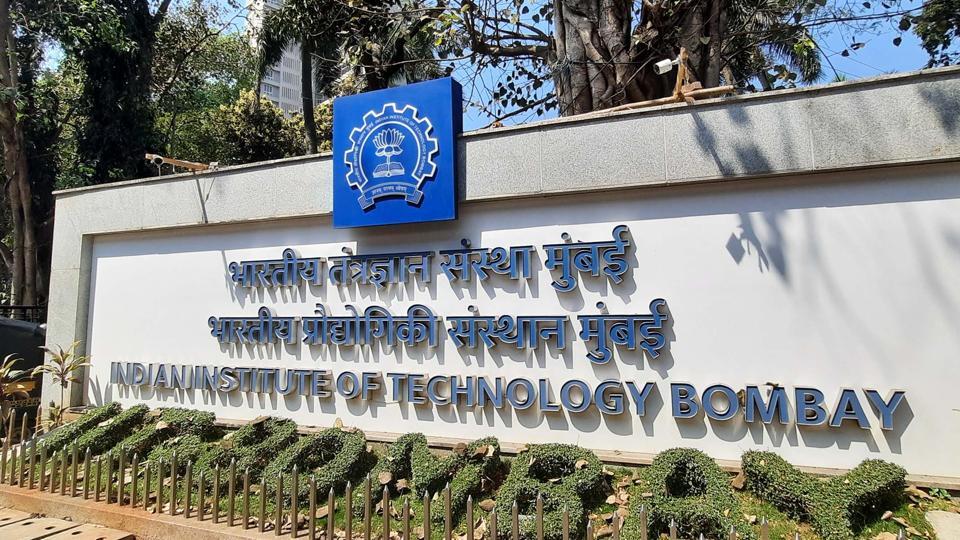
The institute aims to achieve a ratio of one teacher for every 15 students, a key factor in enhancing its standing in the National Institutional Ranking Framework (NIRF), which assesses the quality of educational institutions across India.
Currently, IIT Bombay has one teacher for every 18 students, with 800 teachers serving over 14,000 students.
Professor Shirish Kedare, director of IIT Bombay, emphasised that improving this ratio is crucial for better research and educational outcomes. “According to NIRF norms, a ratio of one teacher for every 15 students significantly boosts the institution’s ranking, as it allows for more personalised attention to students, thereby enhancing their research and entrepreneurial potential,” Dr Kedare explained.
Highlighting perceptions about IIT Bombay, Kedare noted that 47 out of the top 50 JEE qualifiers chose IIT Bombay this year, with 72 of the top 100 students making the same choice. NIRF and other rankings have categories about the perceptions of the Institute. “IIT Bombay’s top ranking in the international QS rankings reflects our esteemed position. However, the NIRF criteria differ, and we recognise areas where we can improve. We are committed to addressing these gaps,” he said.
IIT Bombay, which holds third place in the NIRF rankings, is now focused on improving its performance in the next evaluation. The ranking process also considers factors such as fee concessions and outreach programs, which require substantial funding. To address these needs, IIT Bombay has reached out to large industrial groups and companies for financial support through Corporate Social Responsibility (CSR) initiatives.
Kedare, along with deputy director Milind Atre and dean strategy Krishna Kaliappan, outlined the institute’s strategy to enhance its NIRF ranking. Kedare stated the importance of addressing financial constraints that limit their ability to provide fee concessions and scholarships. “If we receive financial support from corporate partners through CSR, we can better support students, particularly those from financially weaker backgrounds, ensuring they can focus on their research without financial worries,” he said.