
 E-Paper



Maharashtra approves 10-year action plan for safety, conservation of wildlife
Maharashtra government has also approved an extension of the boundary of Tadoba-Andhari Tiger Reserve by around 79 sq km

 Prefer HTon Google


The Maharashtra government has approved an action plan that suggests comprehensive measures for the safety and conservation of wildlife. The action plan has been prepared for the next 10 years — 2021-2030. Maharashtra has become the first state to have prepared such an action plan. The approval was granted in the 17th meeting of the state wildlife board held on Tuesday.
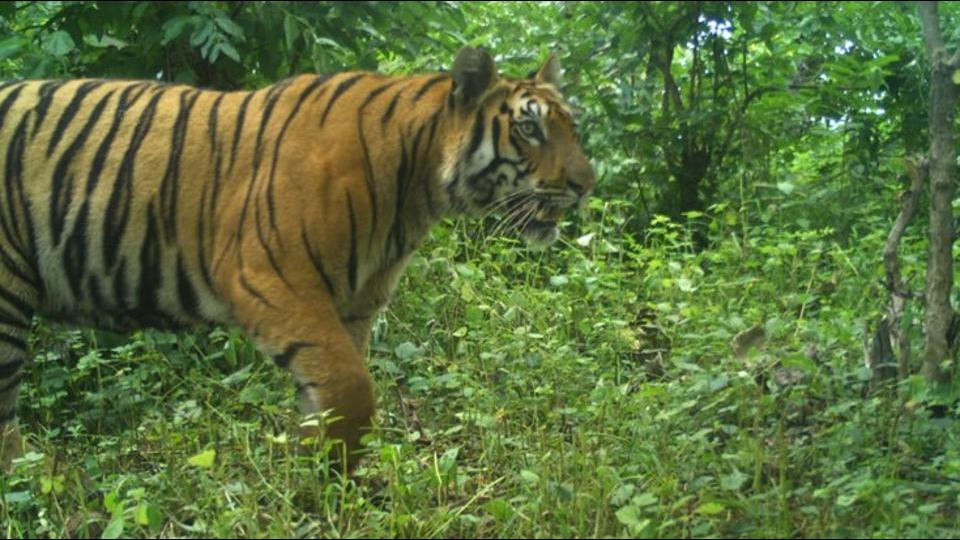
It has also approved an extension of the boundary of Tadoba-Andhari Tiger Reserve by around 79 sq km. Located in Chandrapur district of Vidarbha region, Tadoba sanctuary is a popular tourist destination owing to frequent tiger sightings.
In the board meeting, it was decided to include 78.79 sq km in the core area of Tadoba-Andhari Tiger Reserve. The decision was taken owing to the rising number of tigers in the sanctuary, the officials said.
The existing area of the sanctuary is 509.27 sq km.
“The man-animal conflicts have increased in the area as there is a rise in the number of tigers in the reserve. A tiger requires at least 40 sq km land and due to the total number of tigers the existing area is falling short,” said a senior forest official.
Out of 312 tigers in the state, 203 are within Tadoba and its buffer zone. The man-animal conflict in Chandrapur forest, which houses Tadoba, has resulted in the deaths of 33 people in 2020 and 18 so far, this year.
The action plan has been divided into 12 chapters which include conservation of rare species, control on poaching and illegal trade of wildlife, measures and rescue work on man-animal conflict, wildlife health management, conservation of regional ecosystem conservation systems, conservation of coastal and marine ecosystems, wildlife tourism management, conservation awareness, public participation, strengthening research and monitoring, ensuring sustainable funding for wildlife, strengthening and expanding the network of protected areas in the state.
The plan will be implemented in a timely manner by setting up a committee of concerned government departments, scientific organisations of the concerned field and non-governmental organizations. The state environment minister Aaditya Thackeray has directed the officials to set up a monitoring committee to see if the implementation of this plan is going well or not.


