
 E-Paper



Maharashtra likely to bring amendment in laws for OBC reservation
To discuss the matter with political leaders, chief minister Uddhav Thackeray on Friday called an all-party meeting. Officials said even after the amendment, there are a few districts, particularly tribal dominated ones, where the OBC community is likely to lose their political reservation.


The Maharashtra government is in a fix over political reservation of Other Backward Classes (OBC) in local bodies which is on the verge of getting scrapped following a Supreme Court verdict that said the reservations should not cross the 50% cap. The state government is mulling to bring amendment in the laws related to local bodies for OBC reservation.
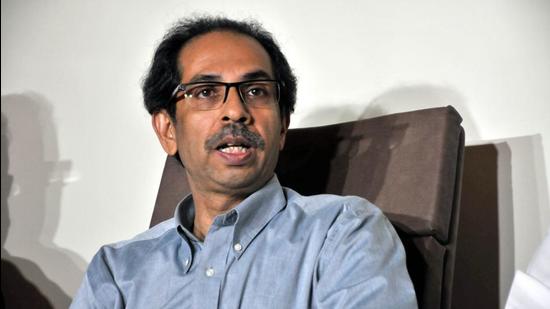
Officials said even after the amendment, there are a few districts, particularly tribal dominated ones, where the OBC community is likely to lose their political reservation. To discuss the matter with political leaders, chief minister Uddhav Thackeray on Friday called an all-party meeting. Suggestions and views expressed by the leaders will be studied in detail and another meeting is likely to be held on Friday.
OBCs get 27% reservation in electoral wards of municipal bodies and district councils (zilla parishads). This quota is politically important because Marathas and OBCs are locked in a tussle for political dominance in the state.
The meeting was called after the state election commission recently directed to start preparations for local body polls due for early next year, and in view of the fact that holding elections without OBC reservation would lead to unrest in the community which is politically damaging for the Maharashtra Vikas Aghadi (MVA) government.
On March 4, the Supreme Court ruled that the reservation in favour of OBCs in local bodies should not result in exceeding the 50% cap in quota. It further directed the state to appoint a dedicated commission for collecting empirical data, based on which the quota of the community be fixed, and also allowed the state election commission to hold local body polls without having reservations for OBCs. It means no seat will be reserved for OBC community candidates for any local body elections until empirical data is made available.
All political leaders were of the view that the elections of local bodies should not be held until the issue of OBC political reservation is resolved.
Section 12(2)(c) of the Maharashtra Zilla Parishads and Panchayat Samitis Act, 1961 provides a 27% quota for persons belonging to backward classes, which was challenged in the court of law. The legislation for local bodies in Maharashtra provides reservation to Scheduled Caste and Scheduled Tribe communities based on their population in those particular bodies, whereas this data for OBCs is not available as their last census was conducted in 1931. Consequently, there are many districts where the combined reservation of all the communities exceeds the 50% cap.
To resolve the issue, there is a view that instead of providing 27% reservation to OBCs, the provision can be tweaked saying that 50% cap will not be allowed to breach and OBCs will get the remaining seats of the 50% quota after providing reservation to SC and ST communities. “We will have to make some amendments as a solution to the problem, and this is one of them. Law and judiciary officials will study all legal aspects and make suggestions accordingly. In any way, OBC community will lose one-third of its political reservation in the state,” said food and civil supplies minister Chhagan Bhujbal, who is also a popular OBC leader.
He admitted that the OBC community will lose political reservation in tribal-dominated districts such as Nandurbar. “There are districts where the population of ST community is 70% to 80%, and after applying the 50% cap, nothing will be left for the OBC community,” he said.
“All the political parties are of the same view that political reservation of OBC community be reinstated. They have made their suggestions which will be studied by the government and another meeting will be held by next Friday,” said chief minister Uddhav Thackeray. He added that the leaders were also of the opinion that local body polls should not be held without OBC reservation.
Going by the 50% cap suggestion, there are around 20 districts where OBC community is likely to get 27% to 35% reservation, which is more than the existing provision. In 10 districts, they will get 22% to 27% reservation and in five districts they will lose political reservation badly, said Devendra Fadnavis, Leader of Opposition and former chief minister.
“The state government had no proposal to suggest. They sought our views and I explained to them the entire judgement of the Apex court. The verdict clearly states that the state will need empirical data based on political backwardness and it has nothing to do with caste-based census. The Apex court has directed the state to collect empirical data based on which political reservation of OBC community can be reinstated again,” Fadnavis told reporters after the meeting.
He added, “We have asked the state government to appoint multiple committees and complete the process of collecting empirical data in two-three months like we had done to provide reservation to the Maratha community during the erstwhile government. We have requested to adopt the same strategy else the issue may get stretched for a long time.”
Maharashtra Congress chief Nana Patole, who was also present in the meeting, said, “The state government is tapping all options to ensure the political reservation to OBCs is restored. The government is also tapping legal recourse to see that in districts, where the reservation is crossing 50% cap, the quota is restored. We are taking all political parties on board and all are on the same page for OBC reservation.”
On July 5, the state legislature passed a resolution seeking empirical data by the Centre, collected under Socio Economic Caste Census 2011, for restoration of political reservation to OBCs. The state government has also filed a writ petition in the Apex court seeking the data from the Centre. It has also asked the state backward classes commission to collect empirical data of the community.
Stay updated with all the Breaking News and Latest News from Mumbai. Click here for comprehensive coverage of top Cities including Bengaluru, Delhi, Hyderabad, and more across India along with Stay informed on the latest happenings in World News.


