
 E-Paper



Mumbai ranks second among 19 metros in crimes against women
The National Crime Record Bureau’s (NCRB) Crime in India report 2020 indicates that even in the pandemic, Mumbai was witness to a high number of instances of crimes against women with 4,583 crimes against women as against the National Capital which recorded 9,782 instances.


The National Crime Record Bureau’s (NCRB) Crime in India report 2020 indicates that even in the pandemic, the city was witness to a high number of instances of crimes against women with Mumbai ranking only second to Delhi among 19 metropolitan cities. Two Covid waves and long periods of lockdown notwithstanding, the city reported 4,583 crimes against women as against the National Capital which recorded 9,782 instances.
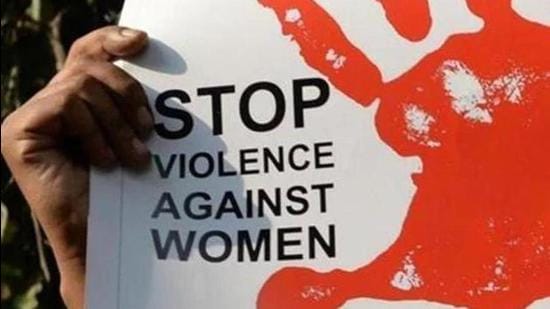
The NCRB report referred to a metropolitan city as one which had a population of 2 million or more. Crimes against women incorporates multiple sections under state level laws as well as the Indian Penal Code (IPC) including Section 354 (assault on woman with intent to outrage her modesty), 370 (human trafficking), 326A (acid attack), 498A (cruelty by husband and relatives) and 376 (rape), among others.
While Delhi topped in several categories of crimes registered, including assault on women, rape and even sexual harassment (with Mumbai coming second), the state capital recorded the highest instances of stalking and human trafficking among all cities. However, while Mumbai recorded the most incidences of stalking, Hyderabad had the highest crime rate in this category. Crime rate is calculated per lakh of population. In cases of cybercrime related to women, Mumbai with 58 cases ranked third, coming after Bengaluru which recorded 63 cases last year and Chennai, which recorded 40 such instances.
In 2018 Delhi had recorded 11,724 crimes against women compared to 6,058 cases in Mumbai. In 2019 the number of cases in Delhi increased to 12,902, whereas the cases in Mumbai had dropped to almost half of it - 6,519. Last year Mumbai reported 332 rape cases (sexual assault on women above the age of 18 years), as compared to 967 in Delhi.
Mumbai Police commissioner Hemant Nagrale said the drop in crimes in 2020 in comparison with 2019 could be majorly attributed to the lockdown imposed due to Covid-19 outbreak. He said, “Due to lockdown, 2020 saw a decline in cases of crime.”
Mumbai Police spokesperson and deputy commissioner of police Chaitanya Siriprolu said, “Mumbai enjoys the reputation of being a safe city for women. The Mumbai Police has always been sensitive to crimes against women and children. All the recent developments in the law regarding crimes against women and children, especially in the past nine-10 years, are implemented seriously.”
In order to improve women’s safety in Mumbai, the Mumbai Police is undertaking a new initiative in the form of Nirbhaya squads. “There will be one Nirbhaya squad for each police station, manned by a female officer of the rank of assistant police inspector or police sub inspector and assisted by two constables and a driver with dedicated vehicle. Nirbhaya squads will identify and patrol hotspots in their jurisdiction that may be prone to incidences of crime against women. Errant persons will be brought to book,” the IPS officer said.
Nirbhaya squads will also undertake public awareness campaigns by visiting schools, colleges and other establishments.
Nagrale said, “The Mumbai Police has taken a slew of measures to prevent crimes against women and children in the city and provide them a safer environment. Some of these measures are intensifying patrolling in crowded as well as deserted places, taking stern preventive actions against habitual criminals to keep effective check on them, covering maximum areas of the city with the help of CCTV cameras, creating awareness among school and college students, making citizens more vigilant and alert with the best use of social media, early detection of cases of crimes against women, and carrying out quality investigation to ensure convictions, etc.”
The pendency of caseload sent to courts also indicated a heavy burden on the judiciary in all metropolitan cities. In Mumbai, 22,368 cases pertaining to crimes against women were pending trial from the previous year to which 2,895 were added in 2020. The total cases pending trial in Delhi was 61,648. Bengaluru, Ahmedabad, Pune and Lucknow also had a high judicial pendency. The pendency percentage in the state capital was 97.8, in Delhi, it was 98. Lucknow, Surat, Patna and even Nagpur had higher pendency percentages.
Last year, both Delhi and Mumbai recorded maximum number of offences under the Protection of Children from Sexual Offences (Pocso) Act, 2012.
In 2020, Mumbai reported 950 cases under the Pocso Act — essentially cases of sexual assault on children, boys and girls below 18 years of age. In 2019, the Mumbai Police had registered 1,319 cases. While the corresponding figure for the similar offence in Delhi was 1,662 cases that had involved minor victims in 2019 compared to 1,088 cases in 2020.
Delhi and Mumbai are ranked in the top metro cities for reporting the maximum number of cases of crimes against children as well.
The NCRB data supports the recent outcry following rape and murder of a Dalit woman in Sakinaka on September 10. The woman was sexually assaulted and brutalised by the arrested accused by inserted a rod in her body. Following this, the Mumbai police decided to form “Nirbhaya Squads” in police stations across the city, which would be tasked with patrolling duty. Each squad would have a lady sub-inspector, a woman constable, a male constable and a driver. Every police station in Mumbai has five patrolling mobile teams. The squad is tasked with preventing incidents of harassment and crimes against women and children.
Activist lawyer Abha Singh, however, felt that the numbers did not reflect the correct picture. “Many women do not report crimes or abuse on them as they are scared to approach the police due to police corruption,” said advocate Singh. “The ones that do register the crime have to wait for a long time for justice. Moreover, conviction rate is low and the criminal knows that he would get away due to shoddy police work. And as there is no victim protection program in Maharashtra, identities of the victims are revealed, resulting in many of them turning hostile in the due course of the trial, leaving the accused to be in acquitted,” she added.
Singh also said that policing in Maharashtra is poor. “The Sakinaka rape victim apparently kept screaming but the police reached the scene only after the crime was committed. The police should not just investigate, but should also be able to prevent a crime from happening. A comprehensive women’s protection program should be in place,” said Singh.
Stay updated with all the Breaking News and Latest News from Mumbai. Click here for comprehensive coverage of top Cities including Bengaluru, Delhi, Hyderabad, and more across India along with Stay informed on the latest happenings in World News.


