
 E-Paper



After landslide, Raigad collector draws plan for disaster prone villages
The resultant exercise will lead to both the families and the government body in possession of an important document termed a Disaster Anomalies Detail(DAD)card


Navi Mumbai
Taking a cue from the problems faced in assimilating data and details of the residents actually residing in landslide-affected Irshalwadi, the Raigad District administration has come up with an action plan for every disaster-prone village. It has deployed its machinery to collate extensive data from each of the families presently residing within the 103 disaster-prone villages in the district. The resultant exercise will lead to both the families and the government body in possession of an important document termed a Disaster Anomalies Detail (DAD) card.
“ One of the biggest challenges posed by the administration in the Irshalwadi landslide was to have exact details of the actual number of residents in the city. Two days of the rescue operation went into identifying the accurate number of members residing in the village. This involved spending hours verifying the records available with the gram sevaks and the Talati ,’ said the Raigad Collector, Yogesh Mhase.
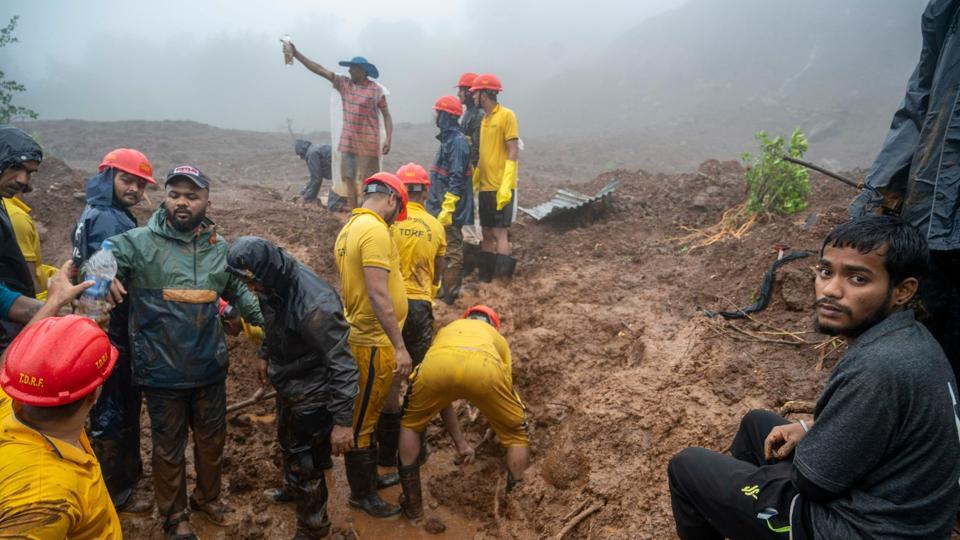
On July 19, a landslide left Irshalwadi village under a pile of mud. 27 were declared to be dead while 57 was stated by the administration to be missing.
The number of missing according to officials would have been more due to the lack of clarity in the number of actual occupants in the village. “ Almost 30 odd people would have been declared missing but were later on found to have moved from the village long back, some had passed away many years before and there were lot women who had married and settled elsewhere,” said an official.
DAD in its present form will be a 2-page A -4 size document comprising in-depth details pertaining to the number of people in the family, the property owned, the bank accounts held etc. “ The 2-page document will give a complete overview of the families and the next kin to be contacted in the event of a disaster. This is another major hurdle faced in IRshalwadi wherein there are at least 2 families wherein not a single person is believed to have survived. As of date, we have no ways to ascertain whether there are any relatives that could be contacted. So consolidated data of each and every family in such disaster-prone areas is necessary,” said Mhase.
In its later stage administration intends to compile the data into the form of a smart card. Since last week, officials comprising circle officers, Talatis, and gram sevak have been visiting the families in these villages. Each is provided with the format of the information needed by the administration. A copy is to be provided to the family and another copy will be retained by the administration. “ We are even taking information about the emergency number to be contacted in the event of a disaster. The data enumerated is also seeking information about the Aadhar card, pan card. At Irshalwadi there are 22 orphans in the age group of 3 to 5 presently they have no clue about the property their families might be possessing elsewhere. To avert a repeat of such hardship the concept of DAD has been devised and it will be completed within the next 15 days,” said an official involved in the data collection process.
Stay updated with all the Breaking News and Latest News from Mumbai. Click here for comprehensive coverage of top Cities including Bengaluru, Delhi, Hyderabad, and more across India along with Stay informed on the latest happenings in World News.


