
 E-Paper



NGT directs removal of unauthorised brick kilns from Tungareshwar eco-sensitive zone
Mumbai: The National Green Tribunal (NGT) this week passed orders instructing the Central and Maharashtra Pollution Control Board (MPCB) to take action against environmental violations by unauthorised brick kilns operating in Thane and Palghar districts, including several which are operational in the eco-sensitive zone of Tungareshwar Wildlife Sanctuary, and the Tansa River Valley and its floodplains


Mumbai: The National Green Tribunal (NGT) this week passed orders instructing the Central and Maharashtra Pollution Control Board (MPCB) to take action against environmental violations by unauthorised brick kilns operating in Thane and Palghar districts, including several which are operational in the eco-sensitive zone of Tungareshwar Wildlife Sanctuary, and the Tansa River Valley and its floodplains.
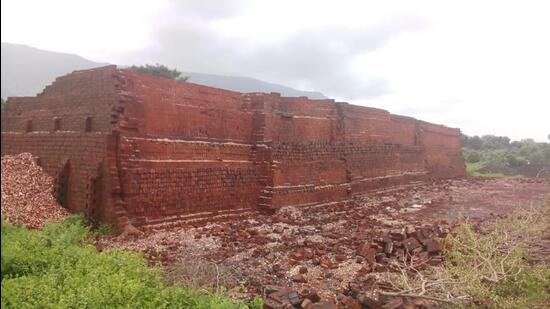
On April 18, the principal bench of the NGT in New Delhi, headed by chairperson Adarsh Kumar Goel, passed this order in response to a 2018 petition by city-based environment group Vanashakti, which alleged that rampant illegal brick manufacturing in the area is impacting the environment, through use of prohibited fuels like pet coke, groundwater extraction, and excavation of top soil from protected areas. The MPCB and Central Pollution Control Board (CPCB) in court proceedings also agreed on the illegality of these kilns, as many of them did not have consent to operate (CTO) clearances.
The order also takes cognisance of recent guidelines issued for operation of brick kilns by the union environment ministry, on February 22 this year. The guidelines mandate only use of regulated fuels like Piped Natural Gas (PNG) or coal, that brick kilns should be established at a minimum distance of one kilometre from an existing brick kiln to avoid clustering, and that ash generated in the kilns be fully utilised in house in brick making.
The NGT also took note of a Supreme Court (SC) order (in an unrelated matter) from April 8, which prohibits operation of brick kilns without CTOs, or those which have not formally declared their production capacities.
“We find merit in the stand of the applicant that brick kilns can be allowed only subject to the conditions as having been laid down by the Supreme Court. Further, in view of (Tungareshwar) ESZ Notification dated September 11, 2019, a brick kiln at a prohibited distance from ESZ in terms of the said Notification cannot be allowed,” the NGT has noted in its order.
“If any brick kilns violate the above conditions and other laid down norms, including illegal extraction of groundwater, the state PCB must close the same. CPCB and state PCB must conduct inspections in this regard,” the green court directed, disposing off Vanashakti’s application.
The Maharashtra government has also been asked to hold violators accountable in retrospect, as per the polluter pays principle, by levying due penalties after following due process.
“This NGT judgement gives the government a mandate to better regulate brick kilns, especially around protected areas where they are explicitly prohibited. Near Tungareshwar and in the Tansa basin, productive farmlands have turned barren due to excavation of topsoil and minor minerals, and are now being used for only one season, for monsoon paddy cultivation. Poor workers work without any protective gear and suffer from severe respiratory illnesses. If the state government will follow the NGT’s directions, these adverse impacts can be stopped,” said Stalin D, director of Vanashakti and applicant before the NGT in this matter.
Stay updated with all the Breaking News and Latest News from Mumbai. Click here for comprehensive coverage of top Cities including Bengaluru, Delhi, Hyderabad, and more across India along with Stay informed on the latest happenings in World News.


