
 E-Paper



Rolling back tax for a larger gain
India rolls back the "Google Tax" to facilitate Starlink's entry, aligning with global tax changes, while Jio and Bharti shift strategy to adapt.

 Prefer HTon Google


Last week, this column argued the Elon Musk-backed Starlink poses no threat to Jio and Bharti. But one week is a long time and much drama has unfolded since. Although it appeared as if there was no drama. No chest-thumping press conference. No policy paper buried in legalese. Just a quiet announcement: the “Google Tax” was being rolled back. This is the 6% levy on digital advertising revenues earned by companies like Google, Facebook, and Amazon. The kind of tax that usually gets buried in budget footnotes. Except this one isn’t just any tax. This one had teeth.
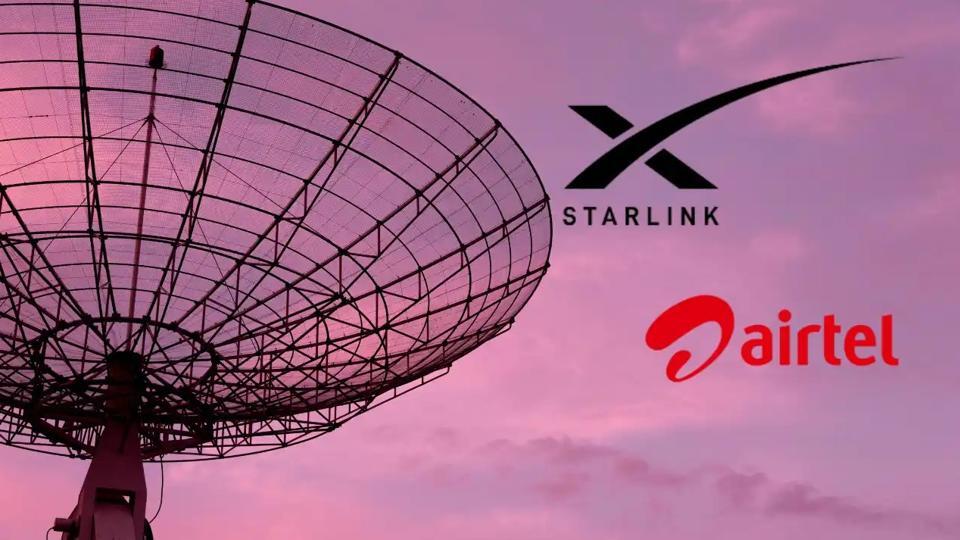
Introduced in 2016, the equalisation levy was India’s early attempt to make digital giants pay up for profiting off Indian users without ever setting up shop here. At the time, it was bold. It said to Silicon Valley: if you want to make money in this market, you’ll have to leave something behind. France liked the idea. So did the UK. But the United States? Not so much. Now, with little explanation, the tax is on its way out. The government has been feeling the pressure to do something about it because of how unpredictable Donald Trump and Elon Musk are, say sources who declined to be identified.
Officially, this is because the world is moving toward a new global tax system, where multinationals will pay taxes partly based on where their users are. While that may be true, there’s more going on. Much of the recent movement has to do with Musk and Trump. One wants Starlink, his satellite internet venture, to beam into India. The other is back in the White House and looking to finalise a Free Trade Agreement with India by the fall. The tax was in the way. Now, it’s not.
The rollback is part of a larger strategic reshuffling. While the tax gets walked back on one hand, doors are being opened on another. Starlink’s entry into the Indian market, for instance, isn’t happening in isolation. And it’s here that the plot thickens.
Starlink runs on Low Earth Orbit satellites. They hover closer to the earth and offer faster, low-latency internet—especially useful in areas where fibre doesn’t reach. Think Himalayan villages or deep rural pockets. It’s an offering with enormous potential in India. But it hasn’t exactly been welcomed with open arms.
Two of India’s biggest telecom players—Reliance Jio and Bharti Airtel—have had their eyes on the same sky. Bharti owns just over 21% in OneWeb, a smaller LEO satellite player. Jio has tied up with SES, a Luxembourg-based company working on Medium Earth Orbit satellites, which sit higher and cover larger areas. Different orbits. Same ambition. And one shared concern: Musk swooping in before they’re ready.
So, for once, points out Prasant Roy, a New Delhi-based technology and public policy consultant, Jio and Bharti were on the same side. That rarely happens. But when Starlink looked like it might land without resistance, the two rivals teamed up. Their ask to the government was simple. Make everyone go through a spectrum auction. It’s what telcos have always done. Auctions take time, cost money, and make it harder for new players to enter.
For those wondering—Musk can afford it, right? So why not just pay up in an auction? The answer’s not about money. It’s about control. Auctions set precedents. If Starlink bids big in India, other countries might expect the same. It also comes with red tape—licenses, rollout targets, audits, telecom-level scrutiny. And worse, it delays everything. For a company racing to connect the world, waiting around isn’t part of the business model.
Bharti, in the beginning, wasn’t too worried. It said the right things about spectrum allocation being efficient. But by September last year, Sunil Mittal had changed his tune. He backed Jio’s call for an auction. It wasn’t ideological. Just practical. Then came the twist.
The government quietly reversed its position. Spectrum wouldn’t be auctioned. It would be allocated. No announcements. No explanations. Just a soft policy pivot. Starlink now had a smoother runway into India. On the surface, it looked like Jio and Bharti had lost. But insiders say this wasn’t the disaster it appeared to be. Because here’s the thing. Neither of them was ready with their own satellite offerings anyway. Blocking Starlink outright might have slowed them down too. So they adjusted fast.
They’ve now agreed to help Starlink enter the market. They’ll onboard customers, manage KYC, and handle local relationships. From a distance, it looks like they’re doing Musk’s dirty work. Up close, it’s a bit smarter than that. Because whoever controls the customer, controls the levers.
More importantly, they’ve bought time. And, says Roy, they’ve picked up goodwill. That quiet, unspoken credit with policymakers. The kind you don’t flaunt, but know will come in handy when spectrum allocations or policy tweaks come back into play.
And what about the tax itself? The one being withdrawn? It brought in about ₹4,000 crore last year. Not nothing. But the thinking is clear. Let go of that if it means unlocking tens of billions in long-term investment. If Starlink comes in, maybe the AI labs, data centres, and cloud infrastructure follow. Trade a short-term win for a longer game.
This isn’t about the government standing firm. It’s about knowing when to step back. It has walked away from the tax it once championed. It has changed its position on spectrum allocation. Not because the old logic was wrong. But because the bigger prize seems worth the compromise. Whether that gamble pays off remains to be seen.

Stay updated with all the Breaking News and Latest News from Mumbai. Click here for comprehensive coverage of top Cities including Bengaluru, Delhi, Hyderabad, and more across India along with Stay informed on the latest happenings in World News.


