
 E-Paper



Tata hospital finds a cheaper option to treat chemo-induced vomiting
The current recommended standard dose (10 mg) is associated with a troublesome side effect of excessive daytime sleepiness. This again is detrimental as the patient remains inactive for 3-4 days and hence, cannot be given to the majority of patients world over

 Prefer HTon Google


Mumbai: The doctors at Tata Memorial Hospital, Parel, have developed a low-cost option to control chemotherapy-induced vomiting while treating cancer. The practice-changing study on low doses of olanzapine (2.5) conducted at the hospital is published in the latest edition of Lancet Oncology Journal.
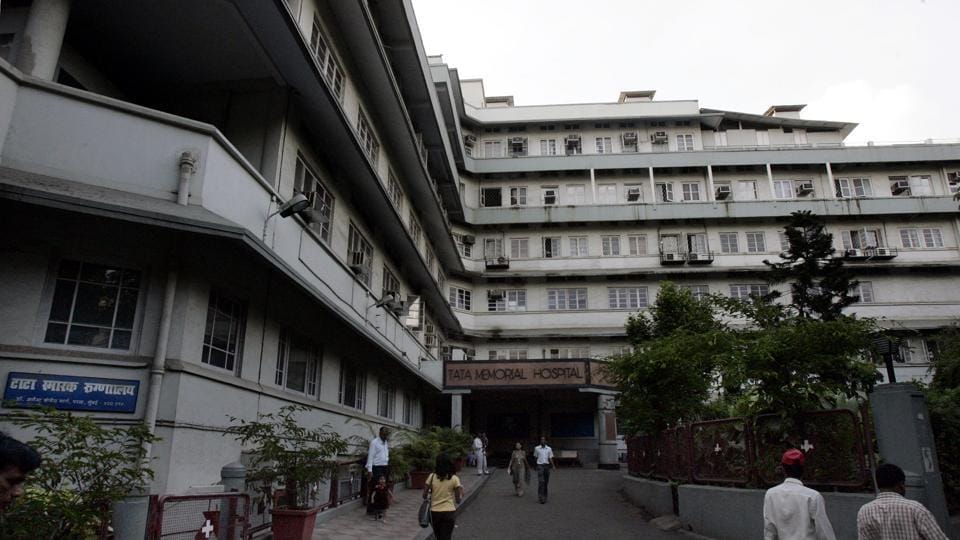
This work assumes significance since Tata Hospital alone sees 50,000 to 60,000 patients undergoing chemotherapy every year. “Majority chemotherapy sessions result in a high level of vomiting experience to the patient for which we routinely prescribe three drugs to reduce this side effect. Olanzapine 10mg is the fourth drug given to further reduce the propensity of vomiting,” said Dr Jyoti Bajpai, a medical oncologist, who was part of the study. Olanzapine is an antipsychotic drug with good effect in reducing/preventing nausea and vomiting during chemotherapy.
She said doctors restricted prescribing Olanzapine 10 mg to everyone because it led to sleepiness during the day. “The current recommended standard dose (10 mg) is associated with a troublesome side effect of excessive daytime sleepiness. This again is detrimental as the patient remains inactive for 3-4 days and hence, cannot be given to the majority of patients world over,” said Dr Bajpai.
With the study being published, olanzapine 2.5 mg will now be given along with three other drugs to reduce the propensity of the chemotherapy induced vomiting in all cancer patients undergoing chemotherapy.
In the study, conducted between 2021 and 2023, 267 patients in the age group of 13-75, with solid tumours under chemotherapy were analysed. Apart from controlling vomiting, the measure also helped in improving quality of life by reducing daytime sleepiness substantially. The low-cost measure – since patients will pay less for 2.5mg instead of 10mg – to control vomiting associated with chemotherapy is said to change global practice.
“The findings confirm the equal efficacy of low-dose Olanzapine in controlling chemotherapy-induced nausea-vomiting, coupled with fewer side effects, including reduced daytime sleepiness and a lower steroid dose. This could be particularly beneficial in conditions where steroid use needs to be restricted, such as in diabetes and other immunocompromised situations,” said Dr SD Banavali, academic director, Tata Memorial Centre.
With the study being published, Tata Hospital and its other centres are now embracing the new practice to treat the major chemotherapy side effect. “By reducing the dosage, we have managed to cut the cost by 25% and increase the productivity of the patient significantly. This will benefit cancer patients across the globe,” said Dr Bajpai.


