
 E-Paper



Water cut in Mumbai may get worse if inadequate rainfall continues
Mumbai draws its water supply from seven lakes -- Bhatsa, Middle Vaitarna, Upper Vaitarna, Tansa, Modak Sagar, Tulsi and Vihar lakes


Mumbai: Water cuts in the city may get worse if inadequate rainfall continues to prevail. Owing to the steady decline of the water stock level in the seven lakes, the Brihanmumbai Municipal Corporation (BMC) enforced a 10% water cut, starting Monday (June 27). Civic officials on Monday said that the rate of water cut may increase in the days to come if rains continue to evade the catchment areas of the city.
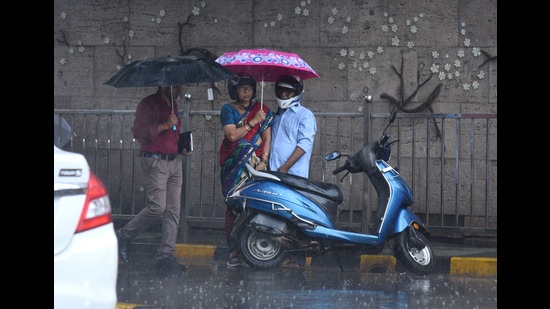
Mumbai draws its water supply from seven lakes -- Bhatsa, Middle Vaitarna, Upper Vaitarna, Tansa, Modak Sagar, Tulsi and Vihar lakes. The total water stock of the city is calculated by observing the present quantity of water available in each of these lakes. Currently, the overall water stock in all the seven lakes is around 1,31,770 million litres out of a total of 14,47,363 million litres, which is 9.10% of the total capacity.
Earlier on July 27, 2020, the city’s water stock was around 9.14%, following which the BMC had enforced a 20% water cut in August that year. Before that, a 10% water cut was implemented between November 2018 and July 2019.
“Usually, we conserve the water stock in lakes to ensure that we have adequate capacity for at least two years. This year the rainfall quantity has been low and the current water stock is below 10%. So, if adequate rainfall doesn’t take place in the catchment areas, then the rate of water cut will be increased,” said an official of the civic hydraulics department, requesting anonymity.
“Currently there is no clarity on how long this water cut is going to stay effective in Mumbai. We will be taking a review of the water situation every 15 days following which the next course of action will be decided,” said the official.
Meanwhile, citizens and former public representatives expressed their woes on the first day of water cuts this year. Dhaval Shah, an Andheri-based resident and co-founder of the Lokhandwala Oshiwara Citizen’s Association (LOCA) said that even though the rate of water cut is 10%, there are several areas in Andheri that are not getting their daily quota of water since past many weeks.
“The 10% water cut is equal to 40% for us as the residential areas that are close to pumping stations get an adequate supply of water, but those who stay far away receive water in low pressure due to leakage points in the pumping lines. Because of this several volumes of water get wasted and many areas in our neighbourhood are getting water from private tankers daily,” said Shah.
Rita Makwana, a former BJP corporator from Kalbadevi in south Mumbai said that the problem of inadequate supply of water remains throughout the year irrespective of the fact whether there is water cut or not. “The BMC administration was saying that they have enough stock that could last till the end of August. If that was the case, then why did they implement the mandate so early? Also, the month of July is still left, the administration should have waited for a few more weeks before issuing the mandate.,” Makwana said.
Subhajit Mukherjee, ambassador of the state government’s Majhi Vasundhara program and is spearheading BMC’s program of creating percolation pits for catching rainfall water, attributed the crisis to the ongoing climate change and change in rainfall pattern.
“Citizens will now have to come together and set up bore-wells and catchment tanks inside the premises of their societies to ensure rainwater is collected so that it can be used for day-to-day use. Climate change is real and we have to start acting now to prevent an adverse water crisis in the long run,” said Mukherjee.
Stay updated with all the Breaking News and Latest News from Mumbai. Click here for comprehensive coverage of top Cities including Bengaluru, Delhi, Hyderabad, and more across India along with Stay informed on the latest happenings in World News.


