
 E-Paper



Gadkari inaugurates Intelligent Traffic System for Eastern Peripheral Expressway
The minister said there are future plans to integrate all the NHAI highways through the ITS network, whose master control room will be installed at the authority’s headquarters in Delhi


Union minister Nitin Gadkari on Thursday inaugurated the first Intelligent Traffic System (ITS) network in the country on the 135-km long Eastern Peripheral Expressway (EPE). The integrated control room for the project has been developed by the National Highways Authority of India (NHAI) at Dasna in Ghaziabad.
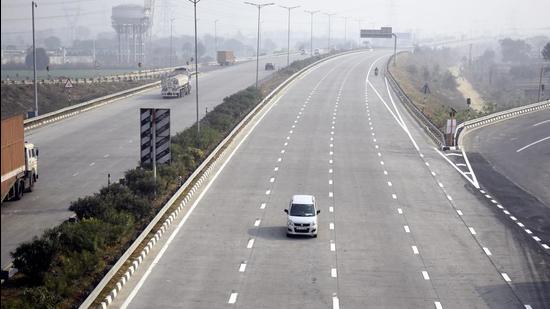
NHAI officials said the ITS network has key features whereby it can detect traffic violations and generate e-challans; alert commuters about weather conditions and accidents on roads; help in surveillance of unauthorised parking and encroachment on expressway; real time monitoring of traffic and also provide an efficient incident management system among other features.
Gadkari said there are future plans to integrate all the NHAI highways through the ITS network, whose master control room will be installed at NHAI headquarters in Delhi.
“Every year in India, we have 500,000 accidents, which kill 150,000 people. We decided to make green expressway highway. We are making 26 green expressway highways and implemented the first ITS network in Ghaziabad. We also plan to integrate all the highways across the country with a similar system at the NHAI headquarters,” he said.
He also mentioned several key highways/expressway projects which will reduce travelling time between Delhi and Dehradun in two hours; Delhi to Amritsar in four hours; Delhi to Katra in six hours; Delhi to Srinagar in eight hours; Delhi to Haridwar in two hours and Delhi to Mumbai in 12 hours.
“In the next 10-12 days, we will be holding a meeting on the peripheral expressway... we have plans to acquire land near the expressway wherever rail connectivity is available and such centres will be developed as multi-modal hubs.Industrial units and godowns of Ghaziabad can be relocated here. This will help decongest the city, which can then be developed into a smart city and help reduce pollution,” said the minister.
NHAI officials said the ITS is the first such network in the country and has so far not been put in place in any of the road projects undertaken by the authority.
“The master control room controls the ITS from Dasna and the project is pegged at ₹300 crore. We have different sub control rooms at different junctions of the EPE. For traffic violations, the ITS will automatically generate e-challans and send it to the National Informatics Centre, from where the challans will be picked up by respective state police,” said Mudit Garg, project director of NHAI.
Automatic number plate readers, part of the ITS network, have been installed at the Delhi Meerut Expressway for automatic toll deduction and also for capturing traffic violations. The NHAI has already finalised the toll rates for the Delhi Meerut Expressway, which will come into effect from December 25.
“The ITS will help us detect violations and also send messages, which will be displayed on digital screens installed on the EPE. The messages could be about weather conditions, traffic congestions or incidents ahead, among others,” said Arvind Kumar, project director from NHAI.
During his visit to Ghaziabad, Gadkari also inspected the rail over bridge (ROB) that is being constructed in Chipiyana near Ghaziabad, which also a part of the Delhi Meerut Expressway. The minister said the bridge will be completed by March next year.
According to officials, the ROB is the heaviest in Asia weighing about 2,385 tonnes.
Speaking during the event, UP’s deputy chief minister Keshav Prasad Maurya said that the projects have paved way for development in UP.
“With the ‘double engine’ government in UP and at the Centre, we are sure that we will again repeat the term in UP in the next elections and we are hopeful of getting 300 seats. Without the two governments, the development in UP would not have been possible. To reach Meerut from Delhi in 40-45 minutes was unthinkable. In 2017, UP only had about 6,000km of highway network and now it is more than 12,000 km. The ITS will help monitor the entire stretch of the EPE from one centre,” said Maurya.

Stay updated with all the Breaking News and Latest News from Mumbai. Click here for comprehensive coverage of top Cities including Bengaluru, Delhi, Hyderabad, and more across India along with Stay informed on the latest happenings in World News.


