
 E-Paper



Issues in monitoring system of vehicles, no toll on Delhi Meerut Expressway yet
The National Highways Authority of India (NHAI) is yet to collect tolls, which was supposed to start from December 25 this year, from commuters on the Delhi Meerut Expressway (DME) after there were some technical issues with the automatic number plate reader (ANPR) system, said officials on Monday

 Prefer HTon Google


The National Highways Authority of India (NHAI) is yet to collect tolls, which was supposed to start from December 25 this year, from commuters on the Delhi Meerut Expressway (DME) after there were some technical issues with the automatic number plate reader (ANPR) system, said officials on Monday.
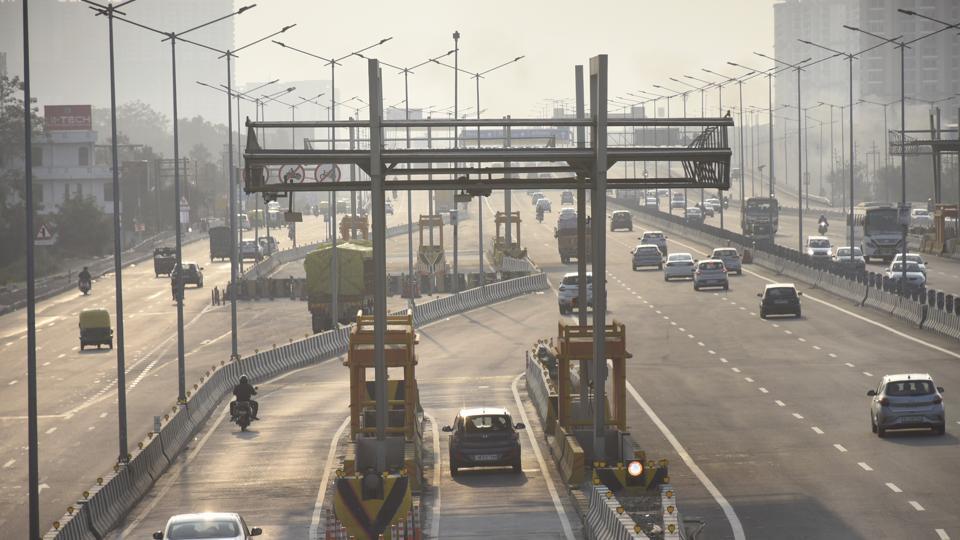
The NHAI headquarters will give a nod for the toll collection after the issues with the ANPR system are fixed, said officials familiar with the development.
The DME was opened for the public in April this year, and Union minister Nitin Gadkari formally inaugurated the project on December 23. The NHAI has finalised the toll rates at nearly ₹2.34 per kilometre travelled on the expressway, from Delhi’s Sarai Kale Khan to Kashi toll plaza in Meerut. According to the toll structure set by the authority, the toll for the full expressway route of 59.77 kilometres from Delhi to Meerut is ₹140 for light vehicles like jeeps or cars among others.
“The tolling process on the DME is yet to begin, and after we get a go ahead from the NHAI headquarters, we will start with the system. We do not want inconvenience for the commuters,” said Arvind Kumar, project director of NHAI. He, however, declined to cite the reason behind the delay.
Since the NHAI has implemented the ANPR system for reading registration plates of the vehicles entering or exiting the expressway lanes, the ANPR system will help deducting fare from the FASTag of passengers on the basis of distance travelled from both the points. FASTag is a device that employs RFID technology for making toll payments directly while the vehicle is in motion. FASTag (RFID Tag) is affixed on the windscreen of the vehicle and enables a customer to make the toll payments directly from the account which is linked to FASTag.
According to the NHAI, the annual toll collection potential on the expressway is estimated to be nearly ₹111.39 crore with cars or jeeps or light motor vehicles accounting for nearly 82% of the traffic and bus or trucks among others, accounting for 14%.
The 14-lane DME has four phases -- Phase 1 links Delhi’s Sarai Kale Khan and Ghaziabad’s UP Gate; Phase 2 connects UP Gate and Ghaziabad’s Dasna; and Phase 4 connects Dasna to Meerut through a six-lane access-controlled alignment of 32 kilometres. Phase 3, which connects Dasna to Hapur, is just the widening of the existing highway.
According to official estimates, Phase 1 caters to nearly 120,000 passenger car units (PCUs) per day, 60,000 PCUs per day at Phase 2, and 40,000 PCUs per day at Phase 4.


