
 E-Paper



RRTS project: Plantation work in final stages between Ghaziabad and Meerut
The officials said half of these saplings are being planted on the median under the viaduct along the 48km RRTS corridor from Sahibabad to Shatabdi Nagar

 Prefer HTon Google


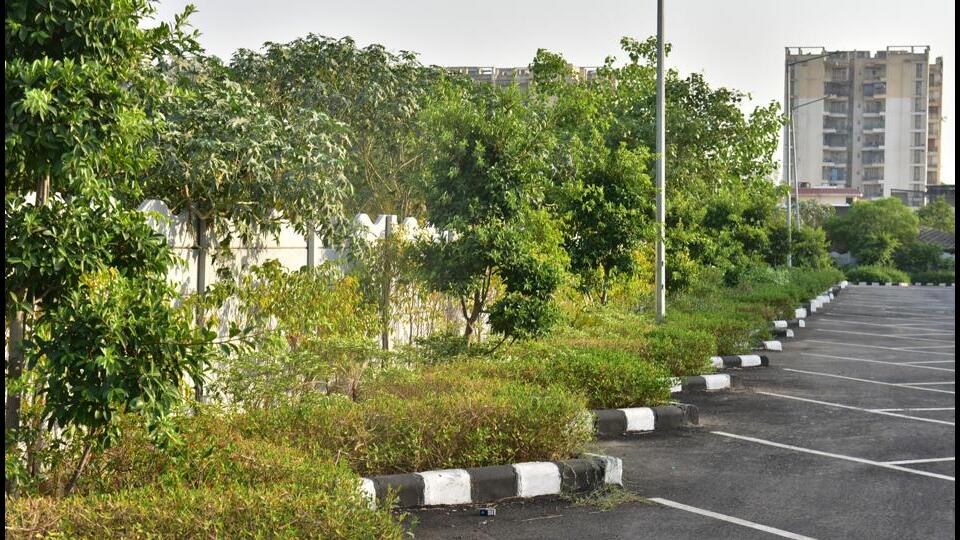
The National Capital Region Transport Corporation (NCRTC), the agency executing the Regional Rapid Transit System (RRTS) project, is in the final stages of completing the plantation of more than 250,000 plants between Sahibabad station in Ghaziabad and Shatabdi Nagar station in Meerut.
The 82km RRTS project aims to connect the cities of Delhi, Ghaziabad and Meerut and is likely to get complete by June 2025. A 34km stretch in Ghaziabad with eight RRTS stations is currently operational.
The officials said the process is on to connect Meerut (south) station with the Ghaziabad corridor.
The RRTS project from Ghaziabad to Meerut has come up on the median of the Delhi Meerut Road which is used by commuters to travel to western Uttar Pradesh and Uttarakhand.
The road stretch in Ghaziabad and Meerut is under the jurisdiction of the Uttar Pradesh public works department and has been taken over by NCRTC for the period of project construction.
“We have completed about 95% of the plantation work between Sahibabad and Shatabdi Nagar. The plantation is primarily taken up on the median of the Delhi Meerut Road, at depots and stations. The road and the median will be handed over to the public works department once the project gets complete. Till then, the maintenance of plantation will be done by our contractor,” said a spokesperson from NCRTC.
The officials said half of these saplings are being planted on the median under the viaduct along the 48km RRTS corridor from Sahibabad to Shatabdi Nagar.
“The colourful flowers will enhance the beauty and attractiveness of the entire area. The remaining half of the saplings have been planted at Duhai depot and these include about 75 different varieties. Plantation will also be taken up once the under-construction stations are complete. We have taken up initiatives to support sustainable development and for promotion of green environment,” spokesperson added.
For the RRTS project, the NCRTC has made use of fly ash bricks, effective disposal of construction and demolition waste, creation of well-ventilated and comfortable building interiors, energy-efficient design, implementation of rainwater harvesting systems, and extensive use of solar energy at stations and depots.


