E-Paper



Agencies chart plan to decongest Sarai Kale Khan
The measures include widening of roads along the Inter State Bus Terminus (ISBT), redevelopment of the CNG fuel station in the area, relocation of the night shelter and construction of the skywalk leading to the Sarai Kale Khan railway station.

 Prefer HTon Google


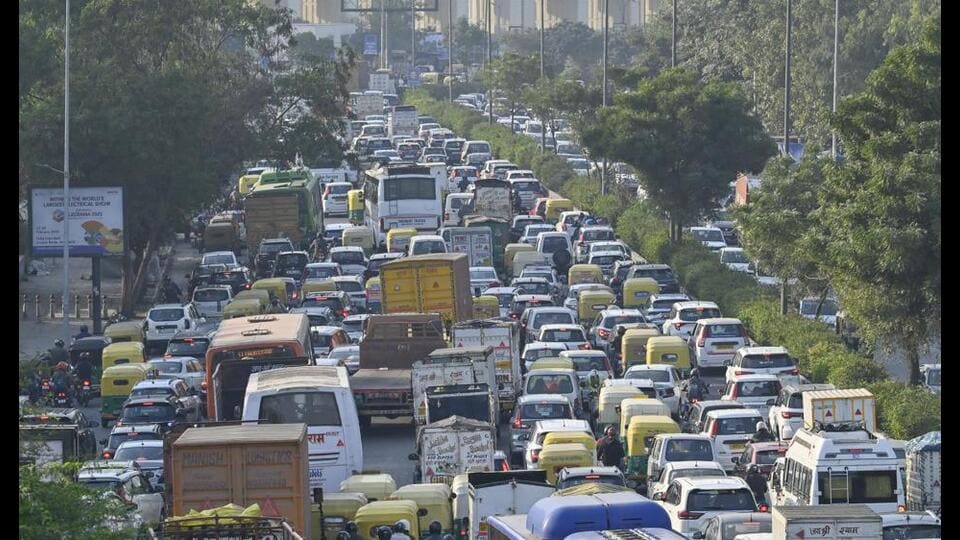
New Delhi: With traffic inflow in Sarai Kale Khan likely to shoot up as multiple infrastructure and highway projects linking it near completion, several government agencies during a recent review meeting planned several measures under the Influent Zone Plan for the Nizamuudin-Sarai Kale Khan transit hub.
The meeting was attended by several agencies, including DDA, MCD, PWD, Traffic Police, L&DO, Railways, DUSIB, IGL, DMRC, NIUA, and the transport department.
The measures include widening of roads along the Inter State Bus Terminus (ISBT), redevelopment of the CNG fuel station in the area, relocation of the night shelter and construction of the skywalk leading to the Sarai Kale Khan railway station.
Offilas said the RRTS station in the area will soon become the largest transit hub of the city. Moreover, there will be increased vehicular load in the region due to operationalisation of Delhi-Dehradun Expressway and Delhi-Mumbai Expressway.
A government official said that during the meeting, Delhi Police flagged the significant congestion that occurs near the existing CNG filling station, which is adjacent to ISBT entry road from Ring Road.
“The Indraprastha Gas Limited (IGL) has informed that upgradation and remodelling of the IGL fuel station is being planned. After the remodelling, the station will have the capacity to refuel 26 vehicles simultaneously through 13 fast-fill dispensers. Each dispenser is designed for a dispensing rate of 15 kg/min for cars, and 75 kg/min for buses. This will ensure faster turnaround and reduced congestion within the station,” official added.
The remodelling will reduce the queue build-up and the newly-laid driveway will streamline the exit, enabling faster vehicle dispersal. “The independent bays will ensure systematic traffic flow, minimising waiting time and preventing cross-movement congestion,” the plan submitted by IGL states.
Meanwhile, plans are afoot to improve traffic circulation around the ISBT. “Under the redevelopment, the existing roads along the Sarai Kale Khan village abutting the ISBT plot will be remodelled as 30-metre wide roads for mitigating congestion. This will also involve widening of the existing roads along the Barapullah drain and widening the connecting bridge,” the official quoted above said.
Connectivity to the Veer Hakikat Rai ISBT and the Hazrat Nizamuddin Railway Station is being made through dedicated FOBs, while a link to the Delhi Metro Pink Line is proposed via an entrance near the RRTS station. Additionally, city bus interchange facilities and Ring Road entry points have also been proposed.
An official said that NCRTC has been asked to incorporate proposals for improvement of walking and cycling infrastructure, based on street audits. “Non-motorised transport with e-bicycle pods for Birsa Munda Chowk are also in the pipeline,” officials said.
They added that the Railways has informed the High Power Committee — constituted for approval of Influence Zone Plan — that the connectivity of the skywalk from RRTS station to the railway station will be completed within 6-8 months. However, the Public Works Department’s (PWD’s) plan to extend the existing flyover over Ring Road up to Barapullah elevated corridor is uncertain.
“The flyover extension is not being considered by the PWD at present; rather PWD is exploring alternate proposals for decongestion of Ring Road,” a PWD official said.