E-Paper



Ahmed Mohiyuddin Saiyed: From failed medical career to ricin terror plot accused
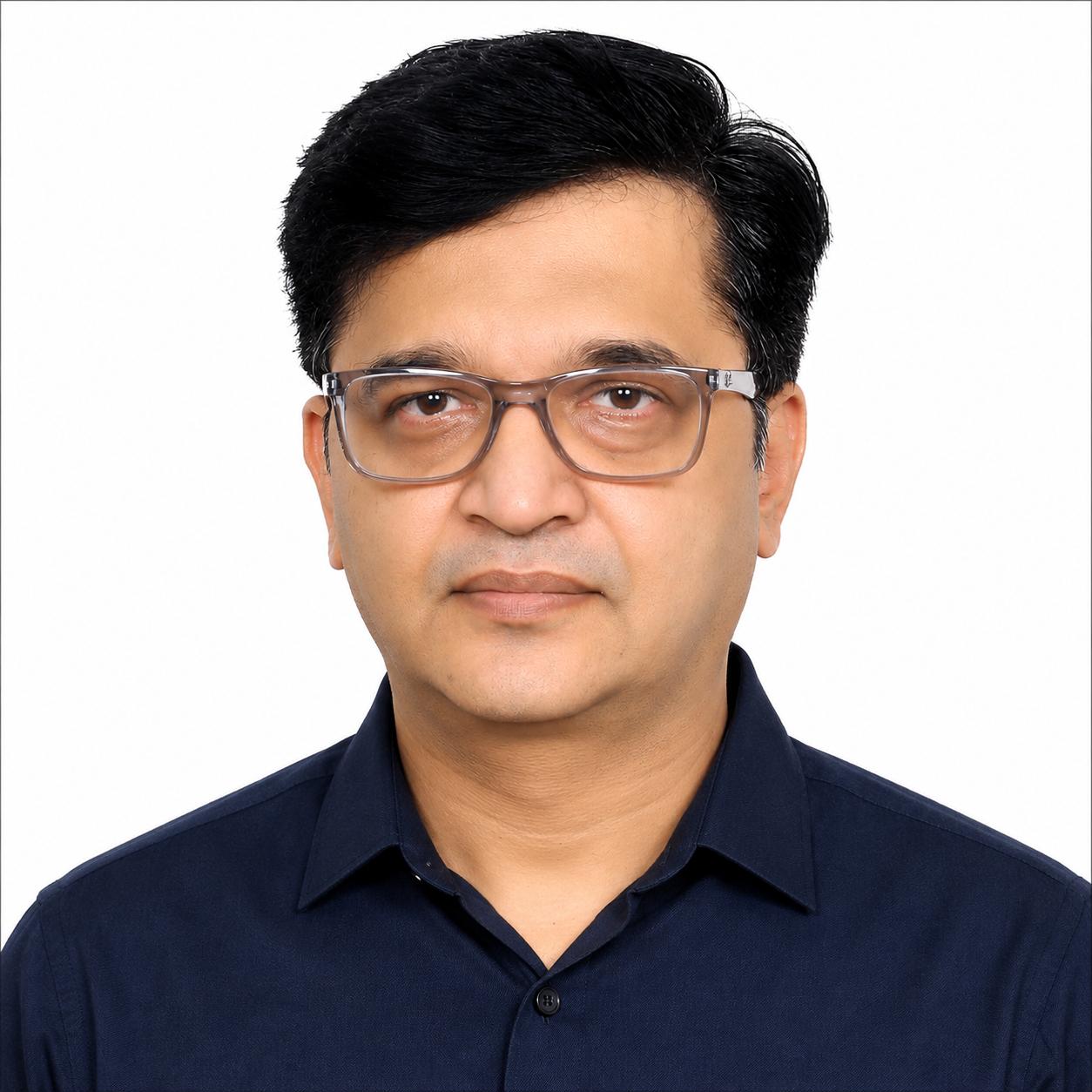
Dr Saiyed, 35, now at the centre of the case, built a quiet life in a narrow lane of Hyderabad after returning from China

 Prefer HTon Google


On November 9, the Gujarat Anti-Terrorism Squad (ATS) arrested three suspects, including Dr Ahmed Mohiuddin Syed, in connection with the conspiracy involving firearms. A Hyderabad-based MBBS doctor, according to Gujarat ATS, was held with chemicals needed to make ricin, a lethal toxin with no known antidote.

Investigators said the quantities of precursor chemicals seized from his home could have yielded a toxin capable of causing many deaths.
Dr Saiyed, 35, now at the centre of the case, built a quiet life in a narrow lane of Hyderabad after returning from China.
“He completed his MBBS degree from 2008 to 2013 but failed to clear the Medical Council of India exam required to practise in India… he returned home but could not move forward professionally and grew isolated in the years that followed. He was divorced soon after his marriage and relatives blamed his orthodox conduct for the breakdown of the relationship. His father left the family some years ago after a separation. His sister, an MD doctor, has not been in contact with him for quite some time,” said an official involved in the investigation.
The same year, Saiyed used to take online medical consultancy to earn an income and also ran a food outlet shop in Hyderabad, said officials.
His arrest on November 8 followed a stop near the Adalaj toll plaza on the Ahmedabad–Mehsana road. ATS officers intercepted a silver coloured car and recovered two Glock pistols, a Beretta pistol, about 30 live cartridges and nearly four litres of castor oil. His phone records helped officers nab the two other culprits.
Mohammad Suhail Mohammad Saleem Khan, 23, from Lakhimpur Kheri, and Azad Suleman Sheikh, 20, from Shamli, were detained in Banaskantha. Police said the duo handed him a bag containing the pistols and ammunition. A separate cache of weapons had earlier been collected from a deserted site near Kalol.
Also Read: Gujarat ATS uncovers ricin-making setup in Hyderabad linked to ISKP terror plot; 3 held
“Dr Ahmed Mohiyuddin Saiyed is highly educated and radicalised and had planned to collect funds and recruit persons as part of a conspiracy to carry out terrorist activities in India,” according to Gujarat ATS DIG Sunil Joshi.
At his Hyderabad residence, ATS teams recovered close to six kilograms of raw chemical material, around seven litres of precursor chemicals along with a crusher and blender. Officers said he was two stages away from producing ricin.
Investigators traced his procurement network and found he had received about ₹1.5 lakh in cash for buying the raw materials. The seized samples have been sent to a forensic science laboratory to determine how much ricin could be extracted.
Ricin is extracted from waste left after processing castor beans. Even a small quantity can shut down vital organs if inhaled, injected or ingested. There is no widely available antidote. Exposure can cause organ failure within hours.
Investigators said Saiyed and his associates were receiving instructions through Telegram from a handler known as Abu Khadija, believed to be based in Afghanistan and linked to the Islamic State Khorasan Province. The trio allegedly carried out reconnaissance in Lucknow, Delhi and Ahmedabad.
“They surveyed the Rashtriya Swayamsevak Sangh (RSS) office in Lucknow, Azadpur Mandi in Delhi and the Naroda fruit market in Ahmedabad. The handler is wanted in the case,” according to an official.
He was to receive further instructions from his handler, and officers said he did not have details about where or when the toxin or weapons were to be used during questioning.
Police said the weapons were sourced from Hanumangarh in Rajasthan. The accused told officers that arms were sent using drones that crossed the Pakistan border.
Investigators also found that Saiyed had been in contact with several Pakistani nationals. Gujarat ATS has filed charges under the Unlawful Activities (Prevention) Act, the Bharatiya Nyaya Sanhita (BNS) and the Arms Act.
In Sabarmati jail, where he has been lodged since his arrest, Saiyed was on Tuesday assaulted by a group of inmates. Jail officers intervened and separated them.
Saiyed was produced before court and remanded to ATS custody till November 17.
Gujarat ATS is also probing his involvement in the November 10 Delhi car blast case. Officers, however, said they found no link between the two incidents.