
 E-Paper



Assam: ‘No threat to existing voters, evicted families can re-enrol,’ says CEO as Special Revision of voter list starts
The CEO said the SR is meant to correct technical errors, incorporate new voters who turn 18 and allow address changes

 Prefer HTon Google


The first-ever Special Revision (SR) of electoral rolls in the country was officially launched in Assam on Tuesday, with chief electoral officer (CEO) Anurag Goel assuring that the new mechanism will not affect the status of any existing voter.
Goel said eviction-hit families continue to remain legitimate voters of Assam and their names will not be deleted unless they voluntarily apply for inclusion at a new address under the prescribed rules, since their earlier locations are no longer available in the records.
The SR has been introduced specifically because the state is awaiting the final publication of the updated National Register of Citizens (NRC). “This is the first time Assam is conducting an SR instead of the Special Intensive Revision (SIR). The SIR will only happen after the NRC is published,” Goel said.
He added that the temporary shift in procedure ensures that no elector is removed while the citizenship-linked NRC update remains incomplete.
Addressing the media at Janata Bhawan, the CEO said the SR is meant to correct technical errors, incorporate new voters who turn 18 and allow address changes for those who have shifted or been displaced, while fully protecting the rights of voters already on the rolls. “No existing voter will be removed because of this Special Revision,” he stressed.
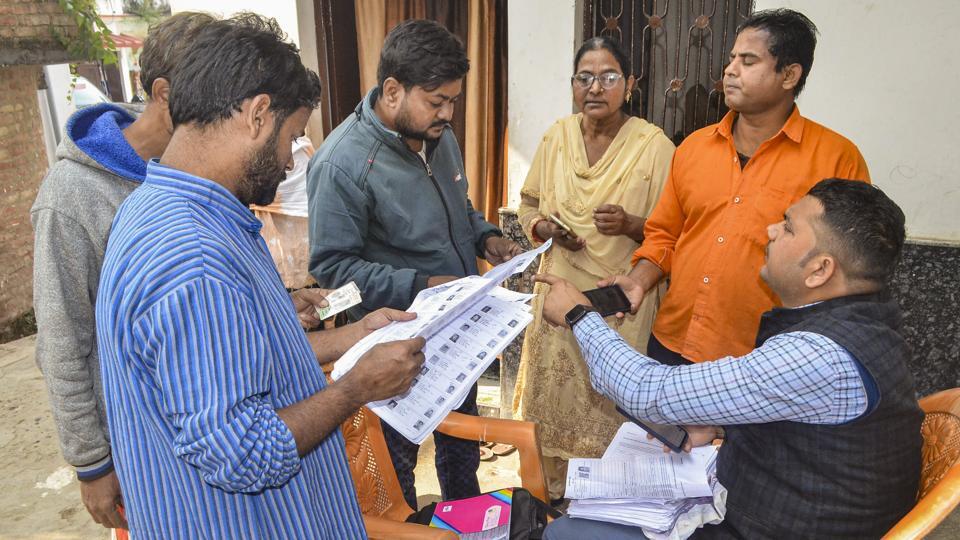
The SR, which uses 1 January 2026 as the qualifying date, will rely heavily on house-to-house verification by Booth Level Officers (BLOs). Unlike the SIR conducted in 2005, no new documents will be demanded at the doorstep and no voter will face scrutiny linked to citizenship or NRC status. BLOs will work with pre-filled registers and simply verify entries through physical visits.
Goel clarified that the term “ordinary resident” does not require a Permanent Residence Certificate (PRC). “Anyone who is an Indian citizen, has turned 18 by the qualifying date and intends to stay in a location, whether for a month or six months, remains eligible to be included in the rolls,” he said.
The draft electoral roll will be published on December 27, while claims and objections will be accepted until January 22, 2026. The final roll, expected to be used for the 2026 Assembly elections, will be released on February 10.
Goel also said that even after the final roll is published, new names and corrections will be accepted up to 10 days before nominations for the Assembly polls. The Election Commission of India (ECI) is likely to announce polling dates by the end of February.
According to the CEO, physical verification will identify entries of deceased voters, corrections can be made through Form 8, new voters can register through Form 6 and objections may be filed through Form 7.
The Assam government has conducted a series of eviction drives this year, forcing thousands of voters to shift addresses. Chief minister Himanta Biswa Sarma had earlier hinted that the names of evicted persons might be removed from voter lists as part of a stronger action against encroachment.
Responding to this, Goel reiterated that families displaced by eviction drives remain registered voters of Assam and can re-enroll at their new location using Form 8. “All evicted people are voters of Assam. They do not lose this right. They can re-enroll at their present address. Form 8 is the route,” he said.
Assam will undertake its next SIR only after the NRC is published. The CEO said all political parties have agreed to this. Until then, the SR will remain the mechanism for updating the electoral rolls.
“The Special Revision does not threaten anyone’s existing voter status. Our job is to ensure every eligible elector is on the rolls, and no legitimate voter is removed,” he said.
The CEO added that election officials will visit households under 29,656 polling stations across the state, and political parties have assured that Booth Level Agents (BLAs) will assist in the process. A de-duplication software has also been activated across all constituencies to identify demographic and photographic overlaps, though Goel said no automated match will override the assurance that existing voters will not be dropped.


