
 E-Paper



Balodabazar violence: 7 more including NSUI leader arrested; 145 held so far
Officials said that the police so far have arrested 145 people, including the leaders of Satnami community, till Wednesday, in connection with incidents of violence in the Balodabazar city

 Prefer HTon Google


Raipur: The Chhattisgarh Police have arrested seven more people, including a leader of the National Students’ Union of India (NSUI), in connection with Balodabazar violence, which took place on June 10, officials said on Wednesday.
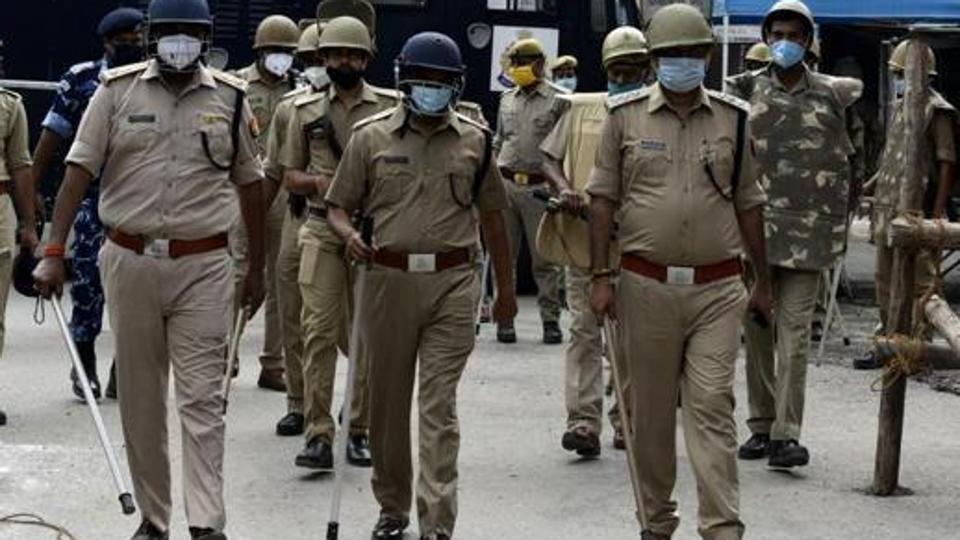
Officials said that the police so far have arrested 145 people, including the leaders of the Satnami community, till Wednesday in connection with incidents of violence in Balodabazar city and more arrests will follow.
Balodabazar police in a statement claimed that they have also seized a mobile phone which was looted during the violence.
“...We have arrested seven, including NSUI leader Suryakant Verma (25). The investigation is impartial and the allegations against the police are baseless,” said a senior police officer.
“More leaders of Bhim Army and other outfits will be arrested soon and raids are going on,” an officer said.
NSUI is the student’s wing of the Congress party. The Congress party, meanwhile, attacked the state government, saying that its party workers were deliberately being targeted.
Chhattisgarh Congress leader Pankaj Sharma said, “The law and order situation of the state is in bad shape. The NSUI leader of Balodabazar is from the Satnami community hence, he has been targeted, and the government is trying to make it a political conspiracy and targeting the members of the Satnami community who are linked with Congress.”
Chhattisgarh NSUI president Neeraj Pandey said that police are not able to arrest the real culprit and hence they are targeting NSUI leaders. “Police are planning to arrest more leaders and if it happens, we will launch a protest against the police and BJP (Bharatiya Janata Party) government,” said Pandey.
The influential Satnami community, founded by medieval-era social reformer Baba Guru Ghasidas, represents the largest Scheduled Castes group in Chhattisgarh. The population of Satnamis in the state is around 12 per cent, and they are mainly found in the northern plains of Chhattisgarh.
The June 10 violence erupted on the backdrop of the May 15 incident when unidentified persons vandalised the ‘jaitkham’ or ‘victory pillar’, a sacred symbol worshipped by the Satnami community, near the holy Amar Gufa at Giroudpuri Dham in the Balodabazar-Bhatapara district.
Three persons were arrested in connection with the incident on May 15.
To protest against the May 15 incident, the Satnami community called for a demonstration at Dussehra Maidan Balodabazar on June 10 and also a ‘gherao’ at the collector’s office. However, it turned violent, leading to arson and stone-pelting.
A mob allegedly set fire to a government office while over 150 vehicles, including two-wheelers and four-wheelers, were set ablaze in Balodabazar city while around 50 police personnel sustained injuries in stone pelting. According to government officials, Rs.12 crore property was damaged in the incident of violence.
The police had earlier said they had the main accused, and others are being identified. The arrests were made based on CCTV footage, videography of the protest by police and video footage from other sources, including media persons, said police.
-kW0H-U20214218012MgB-250x250%40HT-Web.jpg)


