
 E-Paper



Measures to curb illegal mining in Chhattisgarh not followed: CAG report
The report also mentioned the “under-utilisation of District Mineral Foundation Trust (DMFT) funds and the works sanctioned under DMFT without identifying the directly and indirectly affected areas”

 Prefer HTon Google


The Comptroller and Auditor General of India’s (CAG) report on mining in Chhattisgarh observed that the existing control measures prescribed by the mining department to curb illegal mining activities in the state were not “compiled properly”.
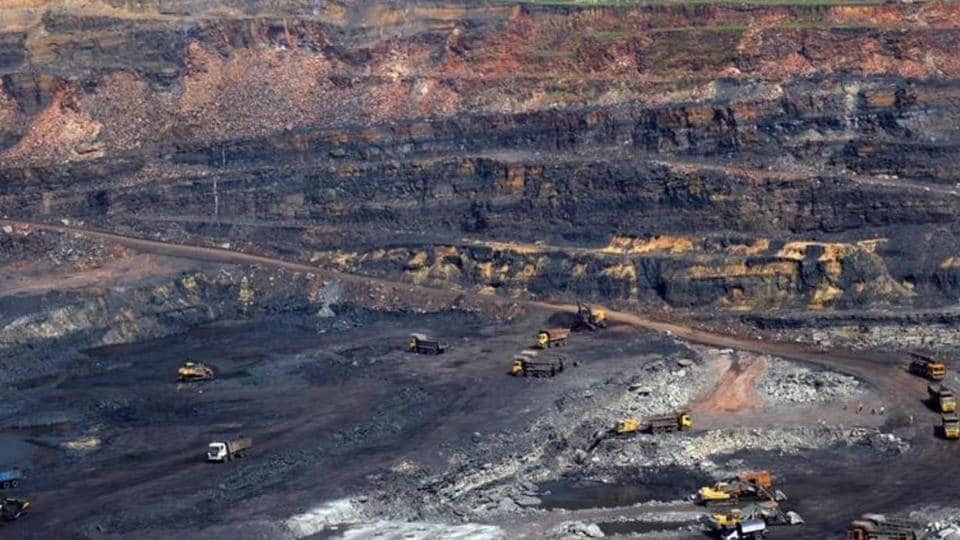
CAG report on the ‘performance audit of mining’ of minor minerals with emphasis on illegal mining operations was tabled in the Assembly on Friday. The report stated that the cases of illegal excavation, transportation and storage of minerals increased from 3,756 in 2015-16 to 5,410 in 2020-21.
The report also mentioned the “under-utilisation of District Mineral Foundation Trust (DMFT) funds and the works sanctioned under DMFT without identifying the directly and indirectly affected areas”.
The report further stated that there was absence of a comprehensive database of quarry leases, and boundary pillars/boundary marks to indicate the demarcation of the quarry lease area were missing which resulted in non-identification of quarrying activities beyond the sanctioned lease areas.
The performance audit was conducted to ascertain whether the state government has developed a “robust mechanism to prevent, detect and curb illegal mining activities”.
“With the help of drone survey, audit detected illegal excavation of murrum at unauthorised sites, and illegal quarrying of sand and limestone outside the sanctioned lease area, resulting in loss of royalty…Monitoring of sand mining was found to be deficient and the department failed to check the evasion of royalty and non-compliance to the environment clearance conditions,” the report stated.
Also Read: Chhattisgarh: ED raids IAS officer, Congress treasurer in money laundering probe
The report also raised questions on the underutilization of DMFT funds.
The DMFT’s objective is to work for the interest and benefit of persons and areas affected by mining or mining-related operations. However, it was observed that the DMFT delayed (delay ranged from 17 months to 50 months) in identifying the mining-affected areas and failed to identify and prepare the list of mining-affected persons in the state, the report stated.
“During 2016-17 to 2020-21, an amount of Rs.1,918.84 crore was received in the nine test-checked DMFTs and the average utilisation of funds was 63%. Underutilisation of funds resulted in the accumulation of funds and the non-extension of due benefits to the intended beneficiaries promptly. The DMFT incurred expenditure amounting to Rs.14.94 crore in violation of the directives of the government to use the funds on the high priority/other priority areas specified in the DMFT Rules,” mentioned the report.
According to the report, the average utilisation of funds in the selected DMFT was 63% (excluding Kawardha district), with the lowest (50%) in Bilaspur, and the highest (82%) in Ambikapur.
Further, as per the information provided by the mineral department, funds of Rs.6,179.56 crore were received in the 28 DMFTs of the state out of which Rs.4,637.20 crore (75%) was spent during 2015-16 to 2020-21.
The audit also observed that the state government had declared 22 districts as mining-affected areas in January 2016, however, the respective DMFT took up the work of identification of directly/indirectly affected areas of mining-related operations within the districts from July 2017 to April 2020.
Audit further observed that DMFT sanctioned the works valuing Rs.891.67 crore, without identifying the directly and indirectly affected areas.
The CAG in its recommendations to the Chhattisgarh government stated that the district offices must be directed to maintain a database of quarry leases in the prescribed format and should ensure that the boundary pillars with boundary marks are maintained to indicate demarcation shown in the mining plan.
“The government (state) should establish an adequate number of check posts in Mungeli, Kawardha and Balodabazar districts within a fixed timeline and should consider installing CCTV cameras and weighbridge facilities at all the check posts to check illegal transportation and overloading of minerals. Further, the department should also ensure regular inspection of mines as per the prescribed norms by ensuring adequate manpower and maintenance of proper records of inspection,” the CAG mentioned in its recommendations.
-kW0H-U20214218012MgB-250x250%40HT-Web.jpg)


