
 E-Paper



Lucknow: PGI team gets Australian patent for ‘method to determine steroid-resistant patients’
The patent relates to a method to determine steroid-resistant patients in childhood idiopathic nephrotic syndrome (NS) by utilizing pharmacogenomic biomarkers. The study has been registered as an innovation patent for eight years from August 16, 2021 to next 8 years.

 Prefer HTon Google


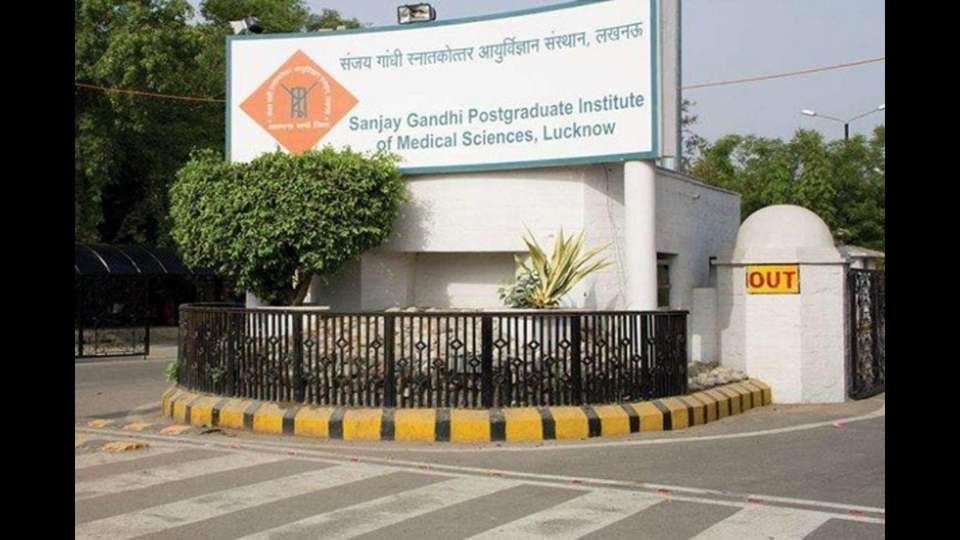
Lucknow The department of nephrology, Sanjay Gandhi Post Graduate Institute of Medical Sciences (SGPGIMS), Lucknow, has got its first innovation patent for the study on “A Method to Determine a Steroid-Resistant Phenotype in Childhood Idiopathic Nephrotic Syndrome by Utilizing a Pharmacogenomic Biomarkers” from Commonwealth of Australia (Patent number: 2021105595). The study was funded by the Indian Council of Medical Research (ICMR), New Delhi.
The present patent relates to a method to determine steroid-resistant patients in childhood idiopathic nephrotic syndrome (NS) by utilizing pharmacogenomic biomarkers. The study has translational potential and has been registered as an innovation patent for eight years from August 16, 2021 to next 8 years.
HoD, department of nephrology, Professor Narayan Prasad, who led the team for the study said, “Nephrotic syndrome is one of the most common kidney diseases, particularly in children, and steroid is the cornerstone therapy for this condition. Children lose a heavy amount of protein in the urine and swelling appears all over the body. Gradually, it may lead to kidney failure, requiring dialysis and renal transplantation.”
He added, “About 10-20% of children do not respond to steroid therapy, and many patients develop steroid resistance after initial response. It’s difficult to find SRNS patients before steroid therapy, especially if they don’t have any secondary or hereditary causes of NS. Patients are treated with repeated course of steroid and develop corticosteroid toxicity. Treating these patients with steroids in non-responsive patients leads to all these toxicities.”
Professor Prasad said, “I was working to develop biomarkers to identify these patients who would be less likely to respond to steroids in early stages, if there are no identified genetic causes of steroid resistant nephrotic syndrome. I designed this study with my team, including Professor Vikas Agrawal, Dr Akhilesh Jaiswal, Dr Saurabh Chaturvedi and Dr Harshit Singh. The study was published in the Nature journal, the Pharmacogenomics (TPJ), and an innovation patent was invited. Our team immediately applied for it.”
SGPGIMS director Professor RK Dhiman congratulated Prof Prasad and his team for the first ever patent in basic science by any clinician of the institute.


