E-Paper



Odisha raises upper age limit to 42 years for entry to govt jobs
The enhancement in the upper age limit will not be applicable for uniformed services including police, fire services, forest and excise services


The Odisha cabinet on Wednesday raised the upper age limit for entry into government services in the state to 42 years from the existing 32 years.
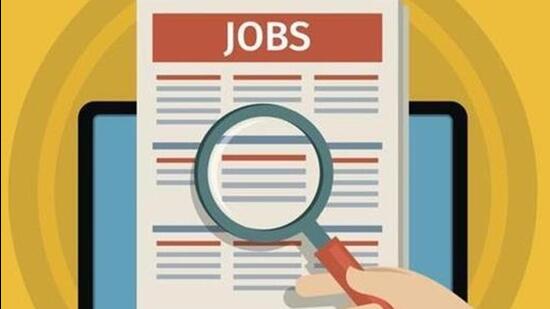
Chief secretary Manoj Ahuja said the upper age limit for entry into government services in the state governed under the Odisha Civil Service (Fixation of Upper Age Limit) Rules-1989 has been raised from 32 to 42 years.
“As per the existing rules, the upper age limit for entry into government jobs is 32 years. The state government had received several representations from various quarters to raise the upper age limit to enable the overaged aspirants to participate in the recruitment process,” said Ahuja.
Also Read: Chandigarh: Now, retired teachers at Panjab University can serve as guest faculty 65
The upper age limit will be relaxed further for candidates of Scheduled Castes (SC), Scheduled Tribes (ST), Socially and Economically Backward Classes (SEBC), women, ex-servicemen and people with disabilities (PwD), said the chief secretary. However, the enhancement in the upper age limit will not be applicable for jobs, where a higher upper age limit has already been prescribed by the government. The enhancement in the upper age limit will not be applicable for uniformed services including police, fire services, forest and excise services.
Officials said raising the upper age limit to 42 years will provide an opportunity for older aspirants who missed earlier recruitment cycles due to delays. Many candidates, particularly those who crossed the previous age threshold of 32 or 38, will regain eligibility to compete for government jobs. They also pointed out Uttarakhand, Andhra Pradesh, and Haryana have similar upper age limits.
Goa has the highest upper age limit for general candidates at 45 years, followed by Telangana and Assam, both at 44 years.