E-Paper



Odisha to include 22 castes in state OBC list
The Odisha chief secretary said the 22 castes are required to be included in the list of SEBC for extending all social welfare measures and benefits leading to their inclusive growth, thereby bringing them to the mainstream of development

 Prefer HTon Google


The Odisha Cabinet on Saturday approved the inclusion of 22 castes/communities in the state list of Socially and Educationally Backward Classes (SEBC) through an amendment of the Odisha State Commission for Backward Classes Act, 1993.
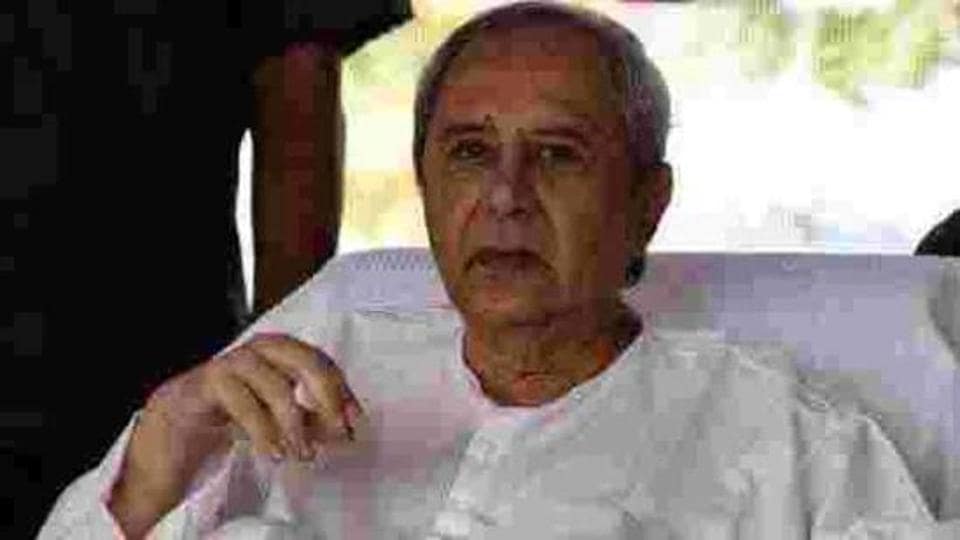
Odisha chief secretary Suresh Mohapatra said though the 22 castes/communities along with their synonyms are included in the central OBC list, they were not included in the Odisha SEBC list.
“In view of the social and educational backwardness of these 22 castes/communities, they are required to be included in the list of SEBC for extending all social welfare measures and benefits leading to their inclusive growth, thereby bringing them to the mainstream of development,” Mohapatra said.
The 22 castes that are being included in the state SEBC list are Badhei, Bindhani, Bindani, Baraji, Baroi, Sankhua Tanti, Gola Tanti, Lajya Nibaran, Hansi Tanti, Kapadia, Gandhamali, Thanapati, Pandara Mali, Paniar Mali, Pandaria, Oda-Khandayat, Bayalisha Oda, Oda Paika, Oda Paiko, Haladia Teli and Kalandi.
The state SEBC already has 209 castes/communities who are enjoying the benefits of 11.25% reservation in government jobs. Though the state had earlier fixed the reservation percentage for SEBC at 27, it was brought down to 11.25 after the Orissa high court in 2017 quashed the Odisha Reservation of Posts and Services (for Socially and Educationally Backward Classes) Act.
The state government in February 2020 formed the Odisha State Backward Class Commission which announced a backward caste survey in May 2021. Though the survey was supposed to be conducted in May 2021 to get a picture of the current social and educational backwardness of people belonging to OBC castes, it could not be done due to Covid situation.
To warm up to the OBCs, the state government in August 2021 announced that for the first time 27% of the seats in urban bodies as well as panchayatiraj institutions would be reserved for the community. However, no reservation could be made for them in last year’s panchayat and civic polls after the Orissa high court quashed the state government notification saying it was not possible in the absence of any quantitative data on OBCs as clarified by the Supreme Court. But, the BJD on its part gave 40% of the party tickets to OBCs in the panchayat polls.
As the Bharatiya Janata Party (BJP) gets ready for an all-out fight with the BJD in the 2024 polls, there are indications that OBC politics may take the centre stage in the run-up to the assembly polls. The BJP state OBC cell president Surath Biswal said his party will soon launch a state-wide stir demanding immediate conduct of the OBC census in Odisha. Biswal said BJP leaders along with OBCs of the state will launch an agitation and gherao the Assembly building if the government further delays the survey.
“We have met the Backward Class Commission four times demanding caste survey in the state. The Commission expressed its helplessness saying that it is not getting the cooperation of the state government to conduct such a massive exercise,” Biswal said.