
 E-Paper



Residents of New Gurugram protest against sewage charges, seek waiver from GMDA
They pointed out that External Development Charges (EDC) and Infrastructure Development Charges (IDC) were paid nearly a decade ago, covering the cost of sewage and drainage systems, yet the infrastructure remains incomplete. Additionally, property taxes are being paid regularly, adding to their frustration over unjustified extra costs

 Prefer HTon Google


Gurugram: Residents of New Gurugram have strongly objected to the Gurugram Metropolitan Development Authority (GMDA) levying sewage charges despite the absence of a functional sewage network in their sectors. Societies in sectors 77-99 have written to the GMDA, demanding an immediate waiver of these charges and an adjustment of previously paid amounts against future water bills.
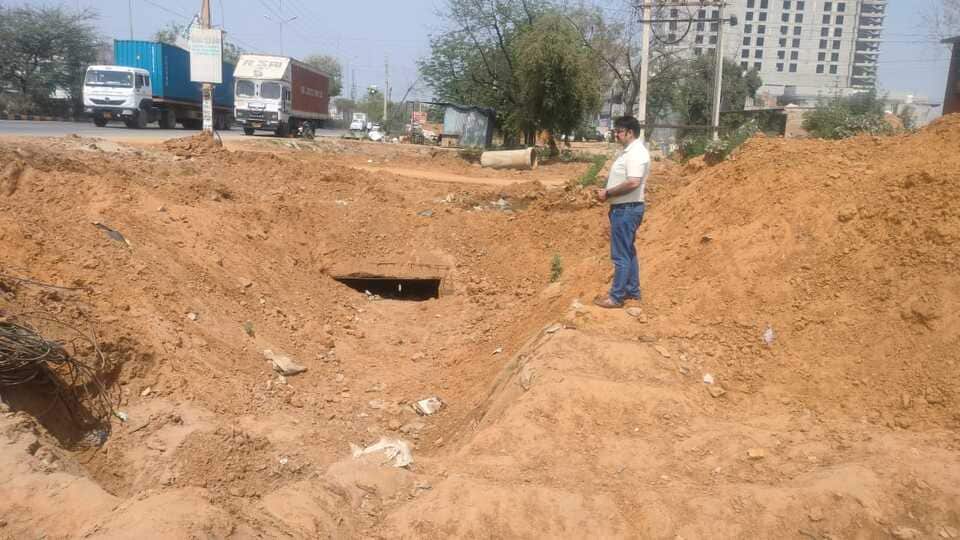
According to residents, they have been charged for sewage services from the day their domestic water connections were activated, even though no sewage infrastructure has been developed in the area. “We are paying for a service that does not exist. There is no completed sewage network, and most societies in this region remain unconnected. Despite this, we are being billed monthly for sewage,” said Praveen Malik, representative of United Association of New Gurugram.
They pointed out that External Development Charges (EDC) and Infrastructure Development Charges (IDC) were paid nearly a decade ago, covering the cost of sewage and drainage systems, yet the infrastructure remains incomplete. Additionally, property taxes are being paid regularly, adding to their frustration over unjustified extra costs.
Due to the lack of a proper sewage disposal system, societies in these sectors are being forced to spend significant amounts on managing and discharging excess treated wastewater. Many residential communities are hiring private tankers to transport treated water, further increasing financial strain. “We have purchased the flats in new Gurugram for a healthy and sound living , but the lack of basic infrastructure is troubling us everyday, due to incomplete infrastructure of sewage the tanker mafia is developed and they are removing water from societies and discharge it here & there leading to land & water pollution, further the sewage charges are not justified & should be stopped also the previous one to be recovered else we may move to court for the recovery,” said Naresh Kumar, RWA president of Orris Carnation-85.
Frustrated by the ongoing issue, residents have now formally written to the GMDA CEO, urging immediate intervention. They have demanded an immediate waiver of sewage charges imposed on societies in sectors 77-99, adjustment of previously paid charges in upcoming water bills, and the expedited completion of the sewage infrastructure to ensure proper connectivity. “We have raised this issue multiple times, but there has been no resolution. Once again, we have submitted a written complaint and an email to the GMDA CEO, and we hope for a swift response,” Aryan Chikkara a resident of Anantraj Maceo -91. Despite repeated appeals, residents claim they have not received any concrete solution from GMDA so far.
Rajesh Bansal, Chief Engineer said, “The charges levied along with water supply include waste water charges and have been implemented as per policy. If the coloniser sets up their own STP unit for treating their sewerage and if the required parameters are met and reuse completely in their premises than they can seek 50% rebate from the Authority,” he said.


