E-Paper



Teachers for UP Sanskrit institutions: No clarity yet on who will recruit; state yet to designate agency
Sanskrit schools and colleges have been relying on teachers appointed on a contractual basis since 2022

 Prefer HTon Google


Recruitment of teachers in government-aided Sanskrit institutions in Uttar Pradesh remains in limbo, with the state yet to designate an agency to conduct appointments against more than 1,300 vacant posts.
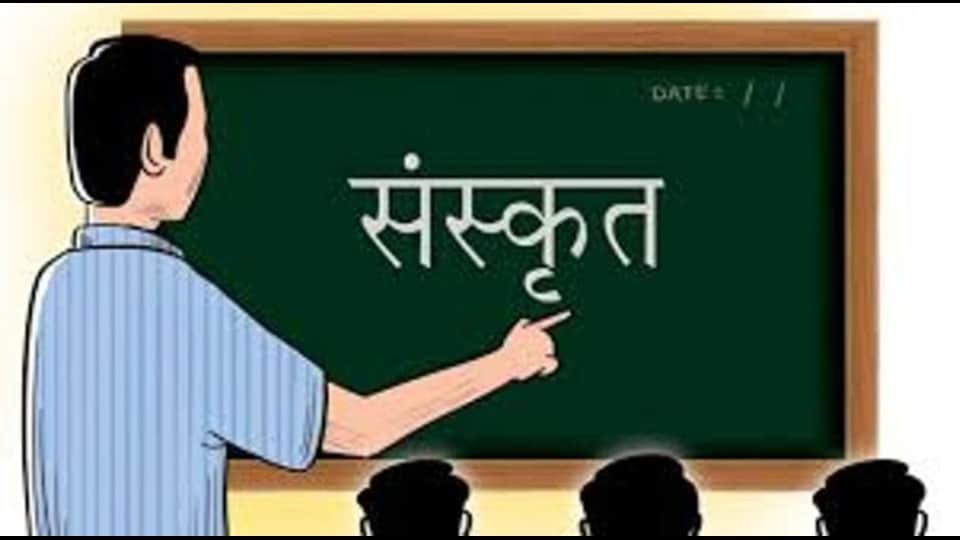
The state has 403 government-aided Sanskrit colleges and 570 government-aided secondary Sanskrit schools. However, there is no clear recruitment mechanism currently for appointing regular teachers. The uncertainty has persisted since the Uttar Pradesh Secondary Education Service Selection Board (UPSESSB), which was authorised to recruit teachers for aided Sanskrit schools in 2018, was merged with the newly constituted, Prayagraj-headquartered Uttar Pradesh Education Service Selection Commission (UPESSC) in 2023.
The UPESSC, however, has not been assigned the mandate to recruit Sanskrit teachers, leaving the institutions without a regular recruitment mechanism. Consequently, Sanskrit schools and colleges have been relying on teachers appointed on a contractual basis since 2022 to keep classes running.
Under amendments notified on March 28, 2018, the state had entrusted the selection of teachers in government-aided Sanskrit schools to the Secondary Education Service Selection Board.
In 2019, the secondary education department sent a requisition for the recruitment of 1,282 teachers in Sanskrit secondary schools.
Similarly, recruitment of teachers in government-aided Sanskrit colleges was entrusted to the Uttar Pradesh Higher Education Service Commission (UPHESC). Both the selection board and the higher education commission were subsequently merged with the UPESSC.
The prolonged delay in regular recruitment has raised concerns over vacancies and continuity of teaching in Sanskrit institutions, even as the government has introduced measures, including scholarships, to promote Sanskrit education.
Officials in both the higher education and secondary education departments declined to comment, saying the matter required a decision at the state government level.
“Regular teachers should be appointed in government-aided Sanskrit institutions if the government genuinely wants to promote Sanskrit studies,” said former MLC and state president of the Uttar Pradesh Madhyamik Shikshak Sangh, Suresh Kumar Tripathi.