
 E-Paper



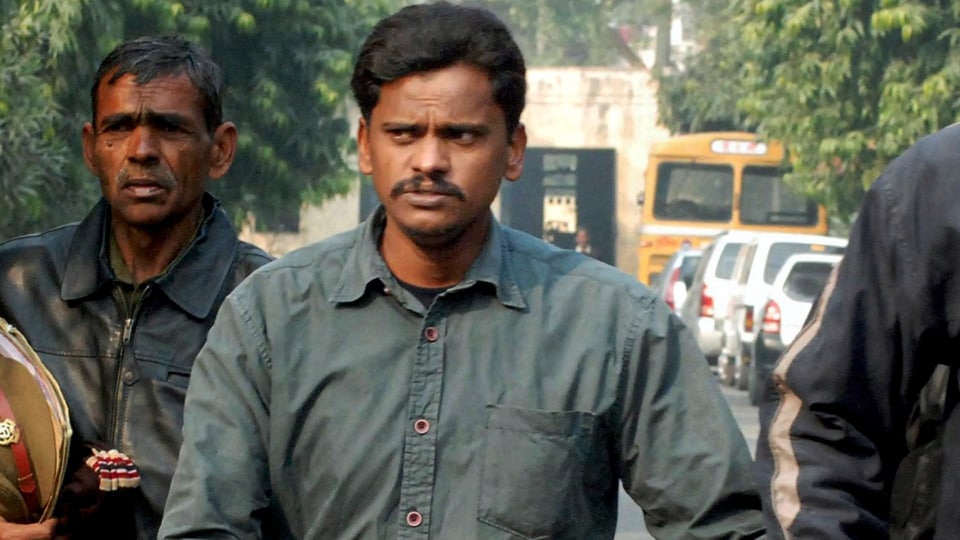
Surendra Koli, acquitted in Nithari serial killing case, found dead in Haridwar
Surinder Koli was acquitted by the Supreme Court in the last remaining Nithari killings case in November 2025,

 Prefer HTon Google


Surendra Koli, who was acquitted in November 2025 in the last remaining case related to the killings in Noida's Nithari, was found dead inside a tea stall in Uttarakhand's Haridwar under suspicious circumstances, police said on Friday.
Kundan Singh Rana, an Uttarakhand Police officer, said Koli had started the stall days ago. He added that Koli, who was from Mangrukhal village in Almora, had been living in Haridwar for the past few months. He worked as a security guard before renting the stall. Track all updates on Surendra Koli's death here
Rana said no suicide note was found. He added that Koli's family in Almora had been informed, and an investigation was initiated into the circumstances surrounding his death.
Koli's acquittal
In November 2025, the Supreme Court said Koli's 2011 conviction could not stand when he was acquitted in 12 identical cases based on the same evidence, confession, and flawed investigation. It said it would be a "travesty of justice" to let one conviction survive.
The court upheld the principle that the rule of law must be consistent, years after the killings surfaced when a child playing cricket spotted a human hand in a drain between two houses in Nithari. When the drain was dug up in December 2006, multiple skulls, bones, and tattered children's clothes were found.
Police claimed that Koli, who was a domestic worker at one of the houses of businessman Moninder Singh Pandher, lured children and women, murdered them, and in some cases, even indulged in cannibalism. Pandher was accused of complicity and exploitation.
By the time investigators arrived on the scene in December 2006, crowds had gathered, trampling through evidence as remains were pulled from the ground. The "recovery" of a knife from beneath a terrace tank and several other items was the backbone of the prosecution. But courts found them unreliable.
The Central Bureau of Investigation took over the probe in January 2007. The agency relied on Koli's confession recorded after weeks in custody and on dubious recoveries.
The Supreme Court pointed out that the same confession and the recoveries were rejected as unreliable in all other cases. It said it found "no principled basis" to uphold one conviction when 12 others had already fallen on identical facts.


