E-Paper



Strongly worded letters cast light on tensions between India’s 2 diamond bourses
BDB office-bearers have questioned the necessity of establishing a bourse in Surat. They have argued that Surat already houses 10,000 diamond offices in established hubs of Varachha, Mahidhapura, and Katargam

 Prefer HTon Google


On July 6, Bharat Diamond Bourse (BDB) wrote a letter accusing Surat Diamond Bourse (SDB) of trying to attract traders and companies away from Mumbai through questionable incentives, triggering an exchange of strongly worded letters. The letters sent ripples through the industry and cast light on tensions between the two bourses ahead of the opening of what has been claimed to be the world’s biggest office building for diamond trading in Surat in November. SDB is spearheading the project.
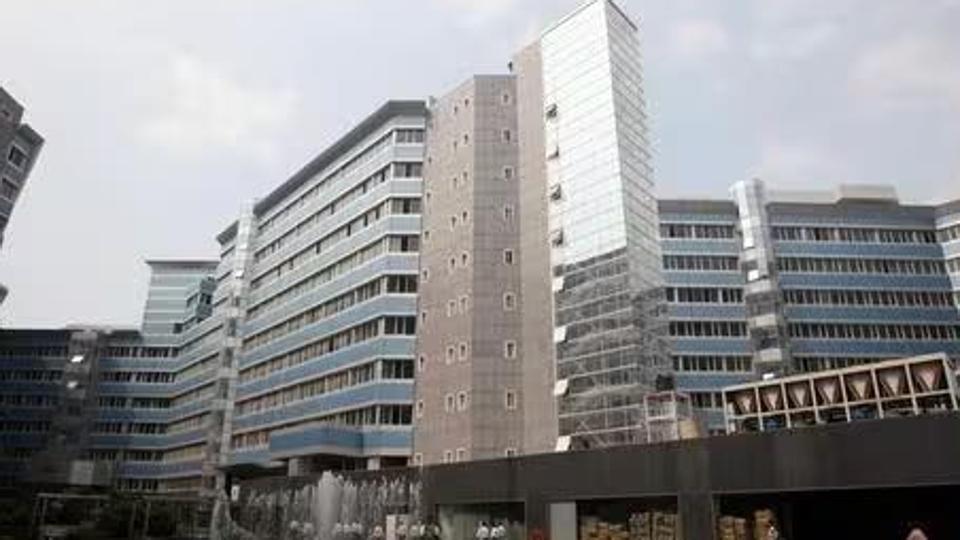
In response to July 6 letter, SDB chairman Vallabh Lakhani condemned BDB’s actions as an attempt to sow discord. A person aware of the matter said BDB later denied permission for SDB to display its banners at an auction, fuelling the rivalry.
BDB office-bearers have questioned the necessity of establishing a bourse in Surat. They have argued that Surat already houses 10,000 diamond offices in established hubs of Varachha, Mahidhapura, and Katargam.
SDB president Anoop Mehta was overseas and immediately unavailable for comments.
BDB vice president Mehul Shah said their letter was in response to SDB’s June 27 one asking the diamond industry players to shut down offices in Mumbai and shift to Surat. “They even offered them a year’s maintenance free of cost and their names were to be displayed prominently near the reception area if they did so. And they have done this repeatedly.”
He said BDB helped SDB set up its operations in Surat. “This country has an appetite for 50 more diamond bourses. So there is a place for everyone. Some of our members have also bought offices in SDB. We are not against anyone. In fact, we are even helping the diamond industry in Jaipur to set up a bourse. Earlier the diamond trading used to take place at Opera House in Mumbai before we built BDB. There were issues of theft and robbery at the Opera House...We at BDB think of the entire country and believe that all should work together,” said Shah.
A BDB representative cited its recognition in the global diamond industry and added international buyers frequently visit Mumbai for trading. He asked SDB office-bearers to focus on persuading its members in Surat to establish offices at BDB. The representative added that BDB has invested considerable time and effort in operationalising the bourse in Mumbai. He added BDB charges a nominal maintenance fee of Re 1 per square from office owners and has assisted SDB in developing top-notch security measures.
The representative pointed out that a significant number of Surat diamond traders were discontented with SDB’s incentive schemes to attract traders from Mumbai
Often one member of a family manages diamond manufacturing in Surat while another conducts trading in BDB. This familial association makes it less appealing for the Mumbai-based traders to consider closing their offices and relocating to Surat. Over 90% of diamonds manufactured in Surat are traded in Mumbai and exported globally.
SDB is a not-for-profit organisation that diamond barons of Surat promote and support. Its ₹3,200 crore project aims to establish India’s second diamond trading hub in Surat after Mumbai spanning 35.54 acres with 67 lakh square feet of built-up area. The hub will offer 4,500 offices to national and international traders, according to its website. SDB has put out a list of over 600 ready offices for operations. The list is expected to grow when it is inaugurated in November.
SDB chief executive officer Mahesh Gadhvi said their letters to diamond traders and companies have no mention of the BDB let alone any intention to force them to abandon their operations in Mumbai. He said SDB has the right to communicate without interference or objections from any external entity.
“Some BDB office bearers may have felt a threat from SDB but our motive is not to harm any organisation or create rifts. It is to promote the growth of the diamond industry. All offices in SDB have been completely sold out. The project was carefully planned with the office bearers in mind, ensuring that there is no available space waiting to be sold. Our clients are all set and have secured their spaces.”
Gadhavi said Prime Minister Narendra Modi is expected to inaugurate the Surat office complex in November and SDB has reached out to the Prime Minister’s Office in this regard.
On July 19, Modi praised SDB in a tweet saying it showcases the dynamism and growth of Surat’s diamond industry. “It is also a testament to India’s entrepreneurial spirit. It will serve as a hub for trade, innovation, and collaboration, further boosting our economy and creating employment opportunities.”
BDB in Mumbai’s Bandra Kurla Complex offers amenities for international buyers but faces space constraints. The office spaces are also expensive. Diamonds are transported by trains from Surat to Mumbai, which takes about four hours.
SDB is part of the Diamond Research and Mercantile City spread over about 2,000 acres on Surat’s outskirts at Khajod.