
 E-Paper



Bihar inks pact for solar power to Rajgir, Gaya towns
Bihar will achieve the unique distinction of being the first state in the country to provide 24x7 green power to its tourist towns of Rajgir and Bodh Gaya, as it inked a power sale agreement with the Solar Energy Corporation of India (SECI), a Central government PSU, on Friday to purchase 210 MW renewable hybrid energy for its Buddhist pilgrim towns, said state power officials.

 Prefer HTon Google


PATNA: Bihar will achieve the unique distinction of being the first state in the country to provide 24x7 green power to its tourist towns of Rajgir and Bodh Gaya, as it inked a power sale agreement with the Solar Energy Corporation of India (SECI), a Central government PSU, on Friday to purchase 210 MW renewable hybrid energy for its Buddhist pilgrim towns, said state power officials.
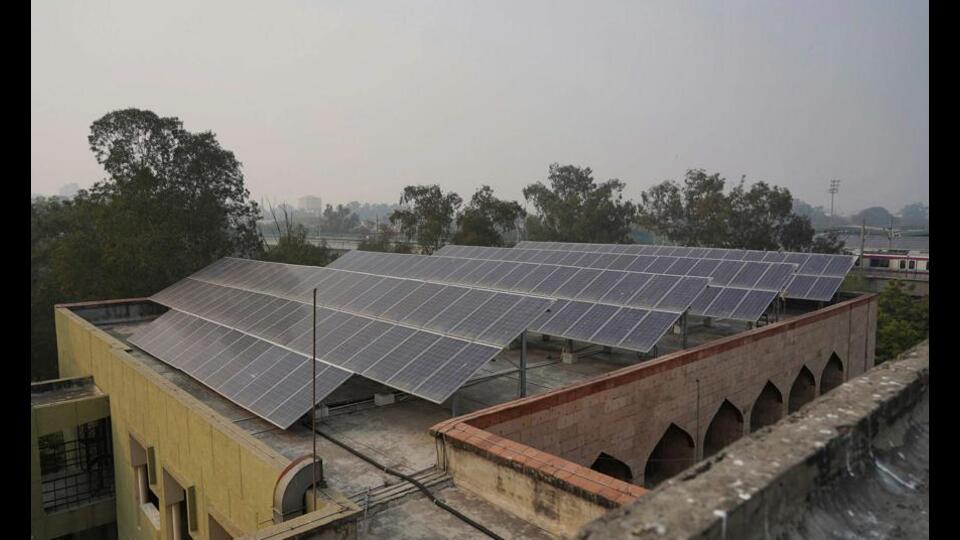
“Bihar has opted for a bundle power plan, using solar energy during the day and hydel power through pump storage facility in the evening to meet its full requirement of clean power for Rajgir and Bodh Gaya,” said Sanjeev Hans, Bihar’s principal secretary, energy, and also the chairman-cum-managing director of the Bihar State Power Holding Company Limited (BSPHCL).
“The excess solar energy generated during the day will be used to run the turbines to pump and store water in the reservoir upstream and generate hydel pump storage power through it in the evening,” he said.
The hybrid power will be generated in Andhra Pradesh and is expected to be available to Bihar by December 2023.
This is being seen as a major step towards de-carbonisation of the grid and at the same time fulfilling the regulatory purchase obligation.
“We will initially supply 24x7 green power to Rajgir, Bodh Gaya, and some important locations in Patna, like the Bihar museum, legislative assembly, Patna high court and the Vidyut Bhawan premises. This initiative will help Bihar earn the distinction of being a pioneer state in the country to provide 24x7 green power to its towns,” said Hans.
“SECI will replace about 700 million units per year of conventional energy with green power which in turn will reduce CO2 emission by about 630 million tonne per annum. The average cost of green power will be ₹4.03 per kilowatt,” he added.
Terming the agreement as a landmark initiative, SECI managing director Suman Sharma said: “It is our collective commitment and desire to achieve the national commitment towards climate control.


