
 E-Paper



Afghan students may get ICCR scholarships on sympathetic grounds
In case of those students who are planning to take admission to a new academic programme or course, we are thinking of giving them ICCR scholarships on sympathetic grounds, says Vinay Sahasrabuddhe, Rajya Sabha MP and president of the Council for Indian Cultural Relations

 Prefer HTon Google


PUNE: Vinay Sahasrabuddhe, Rajya Sabha MP and president of the Council for Indian Cultural Relations, on Monday said that they are considering on sympathetic grounds to grant scholarships to Afghan students in India planning to take admission to new academic courses. He was at the Savitribai Phule Pune University (SPPU) for a programme after which he interacted with the media.
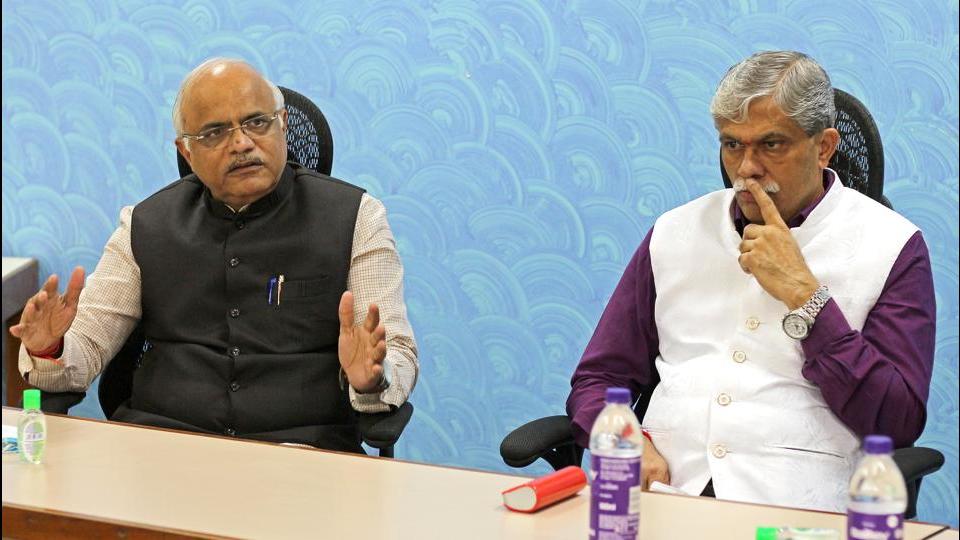
“In case of Afghan students who are here in India and have completed their studies, their visa extension is a matter which can be addressed only by the union home ministry and we cannot comment on it. But in case of those students who are planning to take admission to a new academic programme or course, we are thinking of giving them ICCR scholarships on sympathetic grounds,” Sahasrabuddhe said.
“Afghan students will get admission on the basis of merit and if they get admission, we are certainly thinking of granting them scholarships. Once they secure admission, we will consider them even though they have not come through proper channel. We receive names from the embassy for granting scholarships and this year as a special case, we need to take the decision here itself for Afghan students who have already come to India and are finishing their earlier courses,” he said.
There are more than 4,000 Afghan students studying in various universities and colleges in Pune but more than 70% have returned to their homeland in the past one year. The Afghanistan Students’ Association in Pune is coordinating with the Indian- government, embassy and universities regarding student-related issues and visa extension for a majority of Afghan students.
Before the press interaction, Sahasrabuddhe spoke about implementation of the new educational policy (2020) at the prize ceremony of the university-level open essay competition.
“In terms of education, the country needed a new policy to come out of its colonial mentality and carry the fragrance of its own soil. This fundamental change has been adopted in the new education policy and emphasis has been placed on mother-tongue education. Language is related to our beliefs and worries, hence the emphasis in the policy on mother-tongue education. This policy has been formulated by including Swadeshi, Swabhasha, Swabhav and Swadharma,” he said.


