
 E-Paper



Citing lack of evidence, Parisar opposes PMC’s plan to install mist fountains to combat air pollution
In a letter addressed to the Maharashtra Pollution Control Board (MPCB), Parisar has urged the authorities to set guidelines before implementing any such measures to tackle air pollution


Parisar, a city-based environmental organisation, has questioned the installation of dry mist fountains by the Pune Municipal Corporation (PMC) in the city to address air pollution.
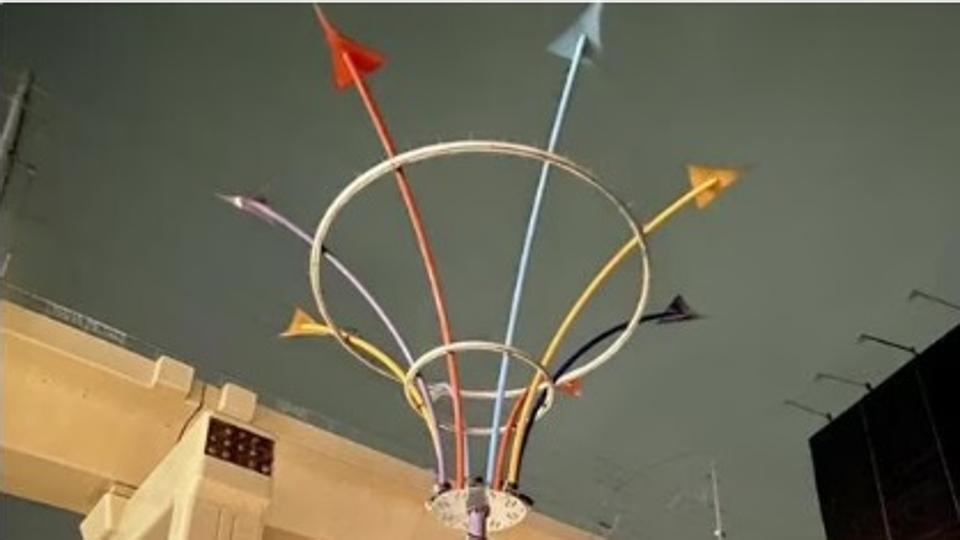
In a letter addressed to the Maharashtra Pollution Control Board (MPCB), Parisar has urged the authorities to set guidelines before implementing any such measures to tackle air pollution.
An installation of 10 mist-based fountains was carried out in June 2023 without any hard evidence of its efficacy or cost-effectiveness in reducing pollution.
In its RTI application, Parisar sought information about the proposed mist fountains in terms of their locations, selection criteria, pollution reduction documents, and the cost involved. However, the responses do not cite any evidence on the efficacy of the mist fountains, and unless a proper study is done, there is no justification for installing more fountains. The response also shows that there are no set guidelines for installing mist fountains.
PMC has, meanwhile, invited bids amounting to ₹2 crores to install more such mist fountains in various parts of the city.
Dr Sachin Ghude, scientist at Indian Institute of Tropical Meteorology (IITM), said, “Scientifically, mist fountains are capable of settling dust particles within a limited area, primarily originating from sources like construction and demolition activities. However, they do not completely eliminate these particles from the atmosphere.”
“Mist fountains are ineffective against non-water-soluble particles and gaseous pollutants. When the mist evaporates or is blown away, especially in dry and windy conditions like those in Pune, the pollutants return to the atmosphere with the same intensity. Consequently, mist fountains do not offer a lasting or sustainable solution to air pollution”.
Shweta Vernekar, senior programme associate at Parisar, said, “With the AQI levels soaring in Pune, we can no longer experiment with gadgets on citizens. People are falling sick and short-term, temporary solutions are not going to help. The city has to act on evidence and data-backed solutions, not give knee-jerk reactions”.
“The Pune air action plan submitted to the pollution control board, mandated under the National Clean Air Programme (NCAP) has no mention of the mist fountains. What is the justification for randomly introducing them now without even testing the efficacy. This would be a sheer waste of public funds,” said Ravindra Sinha, member of the Pune Air Action Hub.
Pune Air Action Hub, a network of CSOs, researchers, medical fraternity, and citizens concerned about the air quality of Pune have written to the PMC to not proceed with the tendering process until the MPCB issues guidelines and a report on the pilot installation of 10 fountains is published, vetted by experts.


