
 E-Paper



City seeing an increase in artificial lights on trees during festive season
Artificial lights around trees cause harm not only to this flora but also the fauna associated with it

 Prefer HTon Google


With Diwali inching closer, commercial establishments in the city including shops, cafes, restaurants, malls and street vendors are increasingly using artificial lights as decorations to woo customers, many a time wrapping these lights around trees/plants on the premises and (inadvertently) causing harm not only to this flora but also the fauna associated with it. Little do these establishments know that the light pollution caused by the artificial lights not only affects the pollination and photosynthesis process in trees/plants but also affects the lifestyle of the birds nesting on them and the animals associated with them.
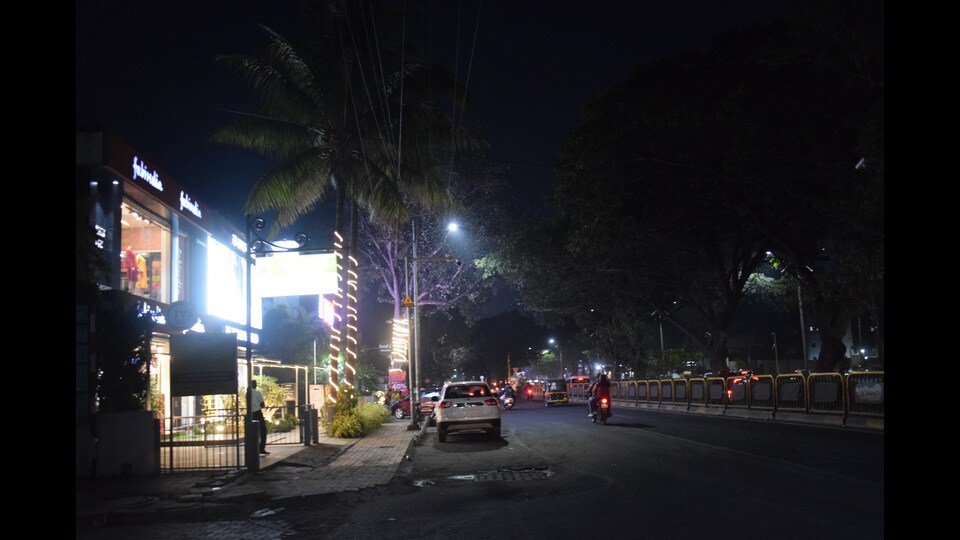
Hence, the Pune Municipal Corporation (PMC), with the help of ‘Bath Pill’, a citizens’ group that works for tree conservation, and Cummins India Company, is organising a sensitisation drive among shopkeepers and commercial establishments in various parts of the city to prevent them from using artificial lights on trees/plants in the premises.
Madhav Patil of Bath Pill, said, “We have undertaken a sensitisation programme to create awareness among shopkeepers, cafes, and restaurant owners/managers. The drive has already started and around 15 shopkeepers from the Kothrud area have been served notice to remove encroachments (lighting, advertisements) on the trees. After serving notice, we take another follow-up about the work carried out by the shopkeepers and in case of non-compliance, the officials from the PMC take appropriate action. In the coming days, we will be focusing on areas like Jangali Maharaj Road and Fergusson College Road.”
Ashok Ghorpade, head of the PMC garden department, said, “Although there is no specific law to protect trees from artificial lights, action against such lights can be taken under the encroachment law as such lights may affect the growth of trees. However, these actions are being taken at the ward level and there is no centralised data available about exactly how many complaints have been registered or how many actions have been taken till date.”


