
 E-Paper



Forest dept to undertake camera-trap study of wolves in Pune district
The camera trap observation will help the department to understand the wolf behaviour, their lifestyle as well as the prey species

 Prefer HTon Google


PUNE With the assistance of The Grassland Trust, the forest department is setting up camera traps at several spots throughout Pune district to study the wolf behaviour.
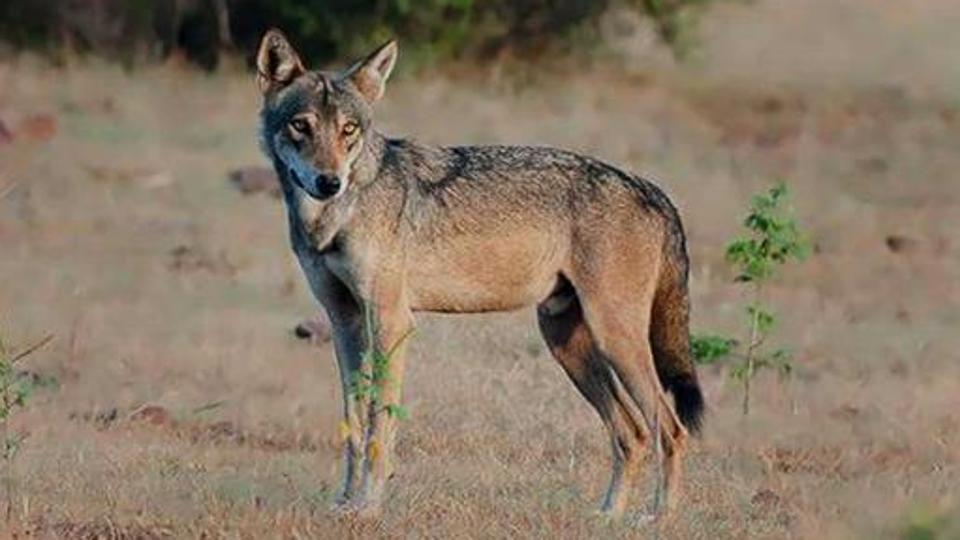
The camera trap observation will help the department to understand the wolf behaviour, their lifestyle as well as the prey species.
The move will also help in preparing an effective management plan to protect endangered grassland species like wolves and hyenas, said a senior officer from Pune forest department.
As per year-old data from the forest department, more than 45 wolves are residing around Pune city. As the subspecies of grey wolves, these are classified as the Schedule I (most protected) species under the Wildlife Protection Act, of 1972.
Tushar Chavan, deputy conservator of forest (wildlife), Pune forest division, said, “The behaviour study of the wolves is necessary to understand their lifestyle. It will help us prepare an effective management plan for their conservation.”
“In the camera trap surveillance, we will be installing pan-tilt-zoom (PTZ) cameras at multiple locations in the areas where we have identified wolf activities. The camera will carry 24-hour surveillance,” he said.
Neha Panchamia, wildlife conservator, said, “With the expansion of human habitats, wildlife habitats are becoming increasingly fragmented, often in proximity to human-modified landscapes. This results in increased interactions between feral or domesticated animals and wildlife that pose a threat to wild species in terms of hybridization, disease transmission, predation, and scavenging.”
“The increase in dog and wolf interaction continues to threaten the wolf species in Pune.A scientific study revealed earlier that mixing dog genomes into wolves and vice-versa can threaten the wild wolf population, disrupt the social structure of wolf packs, and further increase hybridization rates,” she said.
Although it is necessary to keep a check on the dog population, especially in rural areas, practically it’s difficult. Hence, the option that remains is to protect wolf habitat around the district, said Panchamia.


