
 E-Paper



Monday Musings: Is Pune heading from most liveable to least liveable city?
From bad roads laden with potholes, perennial traffic jams, and lack of basic amenities such as water and garbage disposal in peripheral areas, to deteriorating air, erratic climate, and shifting industries, citizens are facing multiple issues on daily basis

 Prefer HTon Google


Last year in March, the Union ministry of housing and urban affairs announced the result of its second edition (for 2020) of ease of living index in which Pune was among the second most liveable cities in India with a population of over a million while Bengaluru emerged as the best city on ease of living parameters. This was a minor slip from the top position in 2018 when Pune was ranked the most liveable city in India.
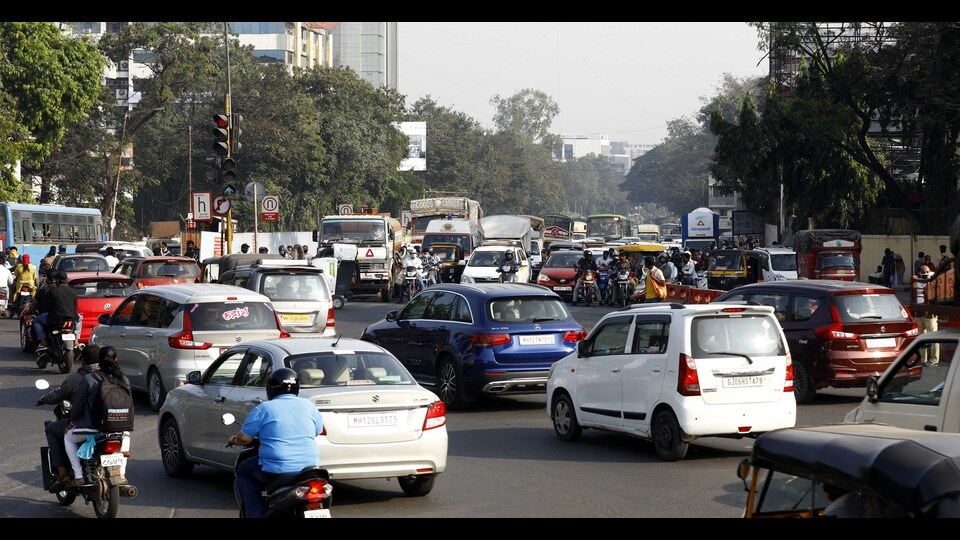
On the ground, the situation has been far more contrasting, be it in 2018 or 2021. With various infrastructure works underway at different locations in India, citizens hope the situation will improve in the years to come.
But the present is worse than many had anticipated. From bad roads laden with potholes, perennial traffic jams, and lack of basic amenities such as water and garbage disposal in peripheral areas, to deteriorating air, erratic climate, and shifting industries, citizens are facing multiple issues on daily basis making life difficult.
The situation has suddenly gone bad to worse in the last few days amid residents’ unable to understand what has prompted this. If Chandni Chowk and university junctions were two problematic locations for traffic, other areas have joined the list where long traffic snarls are a routine scene. People are complaining that travelling five kilometres during peak hours takes more than 30 minutes in many areas.
The slow traffic coupled with dust or road originating from constriction activity everywhere has made the city’s air. The city-based Automotive Research Association of India (ARAI) recently formulated an emission inventory grid to find out the various types of emissions and other factors causing air pollution in Pune district. As per the inventory, 35% of PM10 and 19% of PM2.5 – the two key pollutants - come from road dust in Pune district.
On garbage, Pune fares better in central parts. But trash is often seen piling up at some locations in suburbs while many merged villages still await water supply and pucca roads. Their repeated pleas to Pune Municipal Corporation (PMC) have gone unheard, and in one case, the citizen’s forum from eastern Pune was shocked to hear the civic body’s response even after intervention from Prime Minister’s Office (PMO).
The list doesn’t end here too. When the city has witnessed more than average rainfall and dams that provide water to Pune are overflowing, citizens face once a week water cut under the name of maintenance, which does not reflect the reality. The taxes have grown but services have not.
The ease of living index evaluated the well-being of Indian citizens in cities, across various parameters that consist of four pillars: quality of life, economic ability, sustainability, and citizens’ perception. Punekars certainly feel the quality of life has deteriorated in the past few months.
When citizens feel the need to highlight problems, there are no public representatives as the five-year term of corporators ended more than six months ago in March and civic polls are unlikely to happen in the next two months. There’s PMC administration but for citizens, it’s difficult to be reached.
So, when the outcome of the living index is declared next year, it should have a true reflection of ground reality so that rulers take note and citizens force them to act.


