
 E-Paper



Muslim traders barred from Madhi Yatra as villagers pass Gram Sabha resolution
The decision was reportedly made during a Gram Sabha meeting held on February 22, with villagers citing that Muslim traders do not follow Hindu rituals as the reason for the ban

 Prefer HTon Google


In a controversial move, villagers in Madhi in Ahilyanagar, have passed a resolution barring Muslim traders from participating in the Kanifnath Maharaj Yatra, a significant religious event in the district, citing that some members of the community are not following traditions.
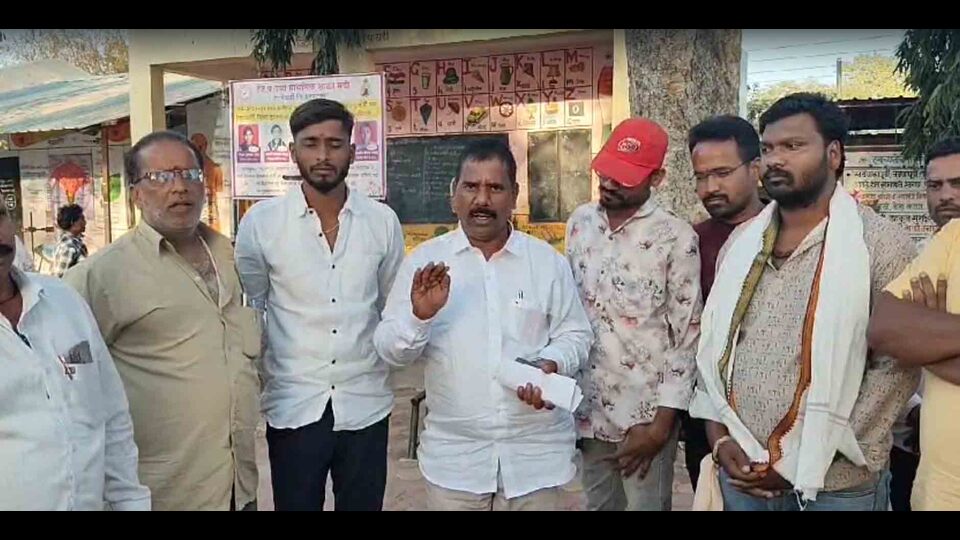
The decision was reportedly made during a Gram Sabha meeting held on February 22, with villagers citing that Muslim traders do not follow Hindu rituals as the reason for the ban.
Madhi village, located in Ahilyanagar district, is about 175 km from Pune and has a population of 5,000, including 650 Muslims. The Kanifnath Maharaj Yatra, held annually, attracts thousands of devotees and traders from across the state. Over the years, people from different communities have participated in the event, setting up stalls to sell various goods. However, this year, the Gram Sabha’s decision has sparked concerns over religious discrimination and economic exclusion.
While local leaders supported the resolution, claiming it was necessary to maintain the sanctity of Hindu traditions during the yatra, others have raised objections, calling it unconstitutional and discriminatory. Critics argue that such restrictions violate fundamental rights and could set a dangerous precedent for communal harmony in the region.
When contacted, Sanjay Markad, the village sarpanch said, “We received complaints from villagers that Muslim traders were not following our traditions and were involved in anti-social and criminal activities during the auspicious yatra period. Hence, during the recent Gram Sabha, we passed a resolution barring their entry into the village yatra.”
The Kanifnath Maharaj Yatra in Madhi village, Pathardi tehsil, has a 700-year-old tradition. The month-long yatra begins on Holi and concludes on Gudi Padwa. Villagers claim that the yatra commemorates the death anniversary of Kanifnath Maharaj, a revered saint in the Nath tradition. During this period, villagers observe strict religious practices, abstaining from non-vegetarian food, fried items, and sweets. They also refrain from using mattresses, conducting marriages, or engaging in agricultural activities.
However, villagers allege that Muslim traders from Pathardi and other parts of the state stay in the village for over a month during the yatra and violate these religious customs. They claim that these traders allegedly sacrifice animals and consume non-vegetarian food, which they believe disrupts the religious sanctity of the event. Additionally, villagers have accused some traders of engaging in illegal activities such as liquor sales, gambling, and theft during the yatra.
Markad, who also heads the Kanifnath Maharaj Devasthan Committee, further stated, “In the past, some of these traders were found involved in illicit activities during the yatra. Considering villagers’ sentiments, it was decided to ban Muslim traders from the event.”
He insisted that the decision was taken unanimously and was within legal boundaries.
When Hindustan Times contacted Ravindra Arole, the deputy sarpanch of Madhi village, he said, “Initially, other proposals were on the Gram Sabha agenda. After completing those discussions, I left the meeting, so I am unaware of further developments.”
When asked about his opinion on the resolution, he declined to comment.
Pathardi block development officer Shivaji Kamble told Hindustan Times that the Gram Sabha’s resolution appears unconstitutional. An inquiry committee has been appointed to investigate the matter, and a show-cause notice has been issued to the Gram Sevak.
“An inquiry committee, headed by Assistant BDO Sangita Palawe, has been formed. On Monday evening, the committee recorded statements from the Gram Sevak, Sarpanch, proposer of the resolution, seconder, and attendees of the Gram Sabha. Once the inquiry report is prepared, it will be submitted to the Chief Executive Officer of the Zilla Parishad, and appropriate action will be taken,” Kamble said.
Meanwhile, Hindustan Times attempted to contact Anil Lawande, the village secretary (gramsevak), but his phone was switched off. Villagers claimed that he turned off his phone following the controversy.
Anjum Inamdar, president of Mulnivasi Muslim Manch, criticised the resolution, stating that Muslims have been conducting business near many Hindu temples, just as Hindus do near Muslim religious sites.
“We do not object to Hindus doing business at Muslim religious places. Then why are Hindus opposing Muslim traders? This resolution is nothing but an attempt to polarise society, which could escalate communal tensions.”
When asked about the villagers’ claims that Muslim traders do not adhere to Hindu traditions during the yatra, Inamdar said, “If some individuals violate norms, action should be taken against them. However, banning an entire community is unjust. Instead of passing a resolution banning Muslim traders, the village should ban animal sacrifice during the yatra if that is the concern.”
Responding to these developments, Tushar Bhosale of BJP’s Adhyatmik Samanvay Aghadi (Maharashtra BJP spiritual coordination committee) demanded that other religious temples and trusts also implement similar bans on Muslim traders in their temple premises or during yatra processions to “protect Sanatani traditions.”
Chief minister Devendra Fadnavis, addressing reporters, stated, “There is no ban based on religion or caste. The restriction applies only to those who do not follow the rules and regulations of the yatra.”
Meanwhile, Maharashtra cabinet minister for Medical Education & Special Assistance, Hasan Mushrif, said, “I have read about this issue and will soon discuss it with the chief minister.”


